
























Winterize Your Vehicle: Essential Tips with Block Heaters and Battery Blankets

As the winter chill settles in, vehicle reliability can be a concern for many drivers. With the arrival of cold weather, particularly in regions like northwestern Ontario, it’s essential for motorists to take practical steps to ensure their vehicles perform efficiently in freezing conditions. The ongoing temperature drop, with lows plunging to around -31°C, emphasizes the need for preparedness.
Essential Tips to Winterize Your Vehicle
Experts recommend several strategies to help drivers maintain their vehicles during extreme cold. Neil Cutting, the shop manager at Payless Automotive Maintenance and Repairs in Thunder Bay, shares valuable insights based on frequent winter challenges.
Utilizing Block Heaters
One of the most effective tools for combating severe cold is a block heater. It warms the engine coolant, helping the entire engine stay warm. Here are the key benefits:
- Maintains engine temperature, making starting easier.
- Allows oil to reach the engine more quickly, improving lubrication.
Neil Cutting advises that when temperatures drop to -12°C or lower, plugging in your vehicle overnight is highly beneficial.
Battery Blankets and Maintenance
In addition to block heaters, battery blankets are also recommended. These blankets help keep the battery warm, ensuring optimal performance even in extremely low temperatures. Important points include:
- At temperatures around -30°C to -40°C, battery efficiency can plummet by half.
- Drivers may experience reduced “cold cranking amps,” leading to starting difficulties.
If short trips are a regular routine, Cutting suggests taking a highway drive to help recharge the battery effectively.
Special Considerations for Electric and Hybrid Vehicles
Owners of electric and hybrid vehicles should remain vigilant about battery performance during cold spells. In frigid conditions, the driving range can be significantly reduced, potentially dropping from 300-400 kilometers to just 150-200 kilometers. This is due to lower operating capacity under extreme temperatures.
Electric vehicles have two battery systems: the primary driving battery and a small 12-volt battery used for auxiliary functions. The smaller battery often faces challenges in cold weather.
Additional Winter Preparedness Tips
To further prepare for cold weather driving, consider the following items:
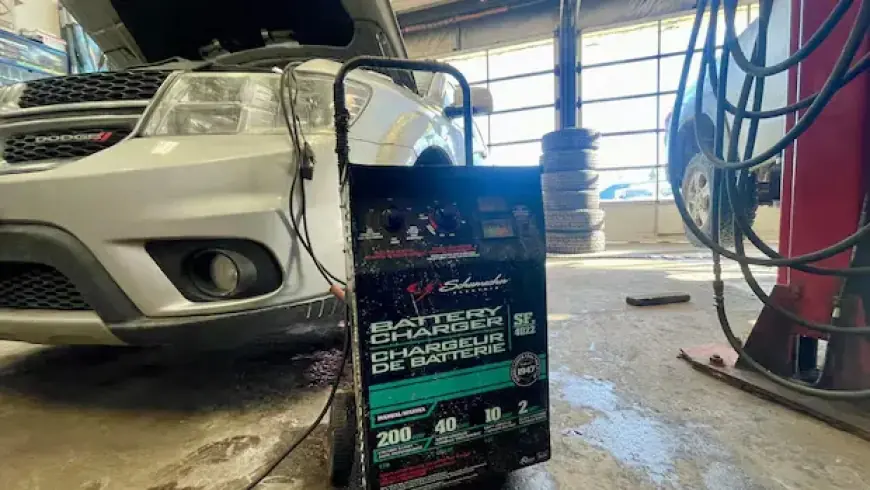
- Jumper cables
- Battery booster pack
- Extra coolant
Having these essentials on hand can provide peace of mind and increase safety on the roads during winter months.
As we anticipate warmer weather in future years, it’s crucial to address current weather challenges with adequate vehicle preparations. By following these winterization tips, drivers can ensure their vehicles remain reliable, even in the harshest conditions.