Opinion | President Unravels on the Magic Mountain

Long before it transformed into a meeting ground for global leaders, Davos, Switzerland, was a sanctuary for individuals seeking health and wellness. In the early 20th century, it gained popularity among the wealthy, particularly those in need of respite from respiratory ailments. This allure eventually drew renowned author Thomas Mann to the village in 1912, where he penned his iconic novel, “The Magic Mountain,” published in 1924. The narrative, set in the years preceding World War I, explores the moral and psychological decline of European society.
The Essence of “The Magic Mountain”
At its core, Mann’s novel features a profound debate between two contrasting ideologies, embodied by its main characters:
- Lodovico Settembrini: An idealistic pacifist and advocate for internationalism.
- Leo Naphta: A proto-totalitarian figure who believes freedom is an illusion and advocates for obedience.
Both characters, afflicted by tuberculosis, engage in a climactic duel that symbolizes a broader struggle within European thought—while Settembrini embodies soft liberalism, Naphta represents a destructive will to power.
Davos: A Reflection of Current Political Climate
The annual meeting of the World Economic Forum in Davos has taken on a tone reminiscent of this ideological conflict. With a theme like “A Spirit of Dialogue,” the discussions hint at the challenges faced today, chiefly rooted in fear and anxiety.
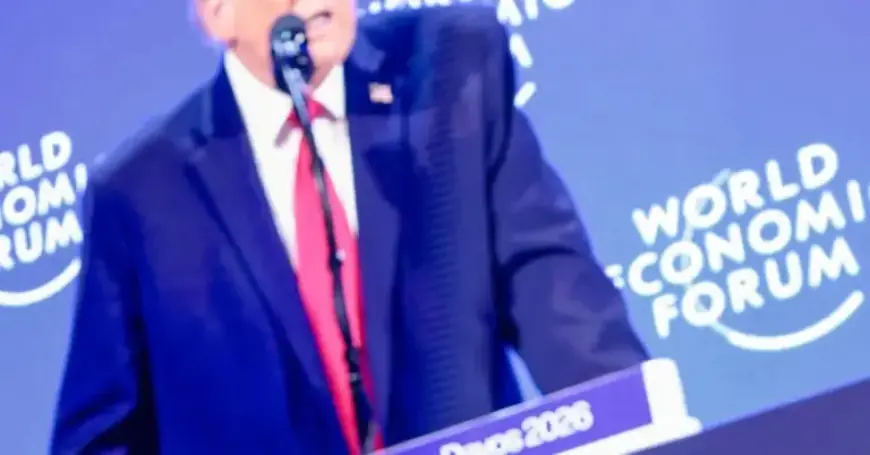
This year’s atmosphere shift can be traced back to remarks made by U.S. President Donald Trump. His address included pointed threats regarding Greenland and implied risks to NATO solidarity. Trump’s commentary highlighted a perceived expectation for European cooperation, referring to the cession of Greenland as a minor concession compared to prior U.S. contributions to Europe.
Implications for Europe and Global Alliances
The potential fallout from Trump’s remarks raises questions about European security. Should his administration follow through on threats related to military presence or support for Ukraine, it could significantly impact transatlantic relations. This scenario aligns with a broader geopolitical tension, as Europe currently navigates challenges from both Russian aggression and American unpredictability.
Contrasting Perspectives on Global Cooperation
While Trump’s rhetoric fosters concern among European leaders, figures such as Mark Carney, Ursula von der Leyen, and Emmanuel Macron promote a vision of strength rooted in cooperation. They collectively emphasize a departure from past complacencies, calling for a renewed commitment to both defense spending and economic vitality.
Europe’s Fragile Political Landscape
However, the political landscape across Europe remains unstable. Governing coalitions in France and Germany are struggling, while the United Kingdom grapples with low approval ratings for its leadership. With far-right parties gaining traction, the challenge of maintaining democratic norms is exacerbated.
This precarious situation portrays a continent at a crossroads, mirroring the historical tension Mann captured in “The Magic Mountain.” Philipp Blom’s description of the era as the “Vertigo Years” aptly reflects today’s environment, characterized by rapid change and uncertainty.
The Role of Davos in Global Discourse
Critics often assert that the discussions in Davos are disconnected from day-to-day realities. Yet, the summit serves as a reflection of broader societal dynamics and dilemmas. Just as Mann depicted a society on the brink of transformation, today’s forum encapsulates a world straddling the line between cooperation and division.
Davos continues to be a stage where critical global narratives unfold, providing insight into the challenges and ideologies that shape our future.