
























Trump Vows Retaliation if Europe Sells U.S. Treasuries

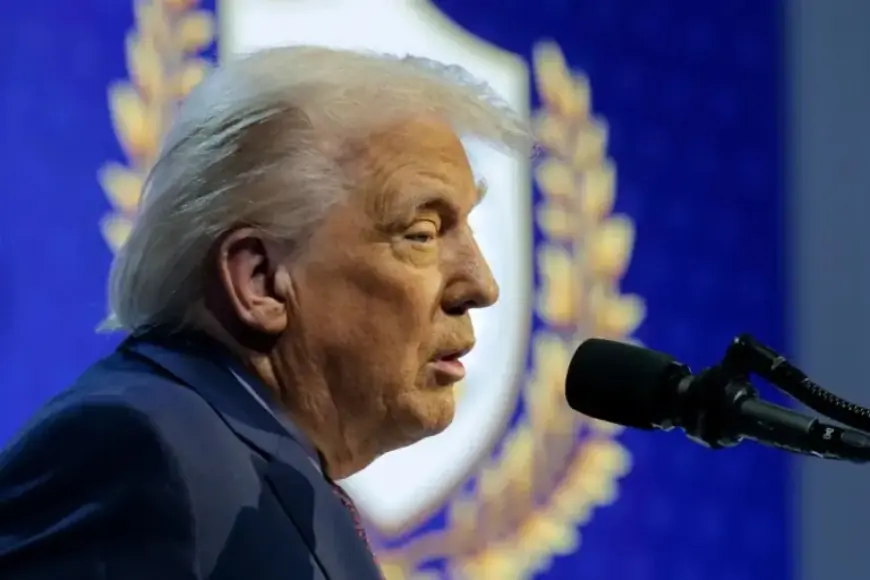
President Donald Trump recently issued a warning of significant consequences for European nations that contemplate selling U.S. Treasury bonds. This statement was made during the World Economic Forum held in Davos, Switzerland.
Trump’s Tariff Threats and their Impact
While discussing trade issues with Fox Business, Trump mentioned, “we have all the cards.” His comments came in light of his threats to impose tariffs on NATO countries resisting U.S. interests in Greenland.
- The Danish Pension fund AkademikerPension plans to divest $100 million in U.S. Treasury bonds.
- Greenland SISA Pension is also considering selling U.S. stocks.
- Alecta, a Swedish pension fund, has reportedly sold off a majority of its U.S. Treasury holdings amid global political instability.
Despite initial tariff threats, Trump later indicated a tentative agreement had been reached with NATO Secretary General Mark Rutte. However, specifics regarding the deal remain unclear.
Assets and Economic Implications
According to U.S. Treasury data, approximately $10 trillion in U.S. assets exist within the European Union. The majority of these assets are managed by private funds, not government entities. Consequently, a sell-off could potentially harm European investors as well.
Treasury Secretary Scott Bessent downplayed concerns about potential European divestment, stating, “Denmark’s investment in U.S. treasury bonds like Denmark itself is irrelevant.”
Future Market Reactions
In response to Trump’s tariff threats, some European nations have contemplated imposing their own tariffs on U.S. products. Additionally, the European Union has suspended implementing a trade deal with the U.S. that was announced in July of the previous year.
- The deal included a 15% tariff on most goods.
- Strategic goods such as aircraft components and semiconductor equipment were also part of the terms.
As tensions continue, the global market is poised to witness further developments regarding U.S.-European trade relations and the fate of U.S. Treasury bonds.