
























50 Years Later: Concorde’s Historic First Flight Remembered

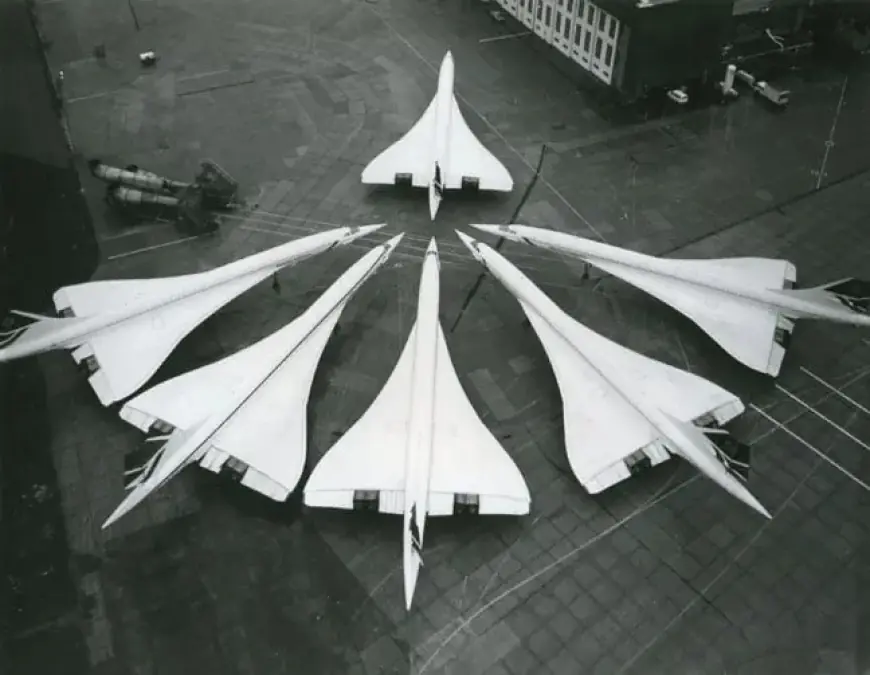
Fifty years have passed since Concorde commenced its scheduled passenger flights, marking a significant milestone in aviation history. British Airways launched the first service between London and Bahrain, while Air France initiated flights from Paris to Rio de Janeiro.
Concorde’s Place in Aviation History
Although the Soviet Tupolev Tu-144 was the first supersonic passenger airliner, entering service on December 26, 1975, Concorde started its scheduled operations earlier on January 21, 1976. The Tu-144’s passenger services did not commence until 1977, giving Concorde an early advantage.
Performance and Challenges
Capable of flying at speeds exceeding twice that of sound, Concorde faced economic challenges. The lucrative transatlantic routes to the United States seemed unviable due to operational costs. Additionally, noise concerns led to a ban on Concorde landing in the U.S. until later in 1976, with New York operations commencing in 1977.
- First Scheduled Flight: Encountered various technical, political, and financial challenges.
- Operational Economics: Slower aircraft like the Boeing 747 could carry significantly more passengers.
- Impact of the 1973 Oil Crisis: Shifted preferences towards more fuel-efficient aircraft.
By 1976, British Airways and Air France were the last remaining customers for Concorde, leading to a reduction in production. The final Concorde was manufactured in 1979, and the aircraft’s last commercial flights occurred much later.
Retirement of Concorde
Air France made its final commercial flight in May 2003, and British Airways retired its Concorde fleet on October 24, 2003. Several factors influenced this decision:
- One Concorde crashed during takeoff from Charles de Gaulle Airport on July 25, 2000.
- Low passenger numbers following the crash.
- A decline in air travel after the September 11 attacks in 2001.
- Airbus’s cessation of supplying replacement parts.
Today, many Concordes are preserved for public display. Notable locations include the Sinsheim Museum in Germany, which showcases an Air France Concorde and a Tupolev Tu-144. Despite interest from figures like Richard Branson to revive the aircraft, Concorde was ultimately withdrawn from service.
The Legacy of Concorde
While Concorde entered service during a period of waning public confidence in mass supersonic travel, discussions of reviving supersonic flight persist. However, no commercial successor has yet emerged, leaving Concorde’s remarkable but complicated legacy intact.