

























Canada Expands Reach in Asian Energy Markets

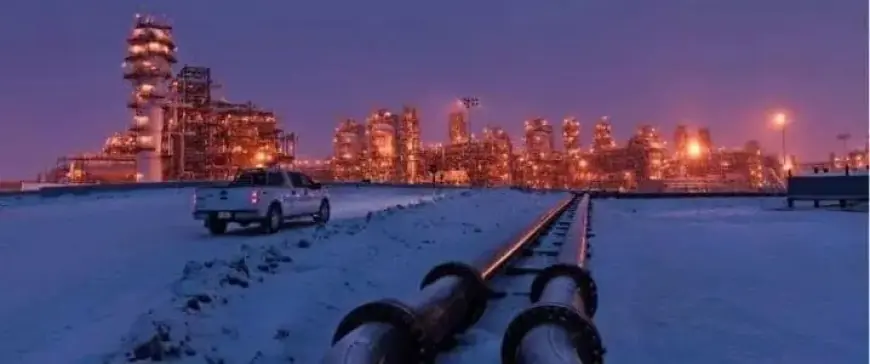
Canada has long relied on fossil fuel exports as a cornerstone of its economy, generating substantial revenue and job opportunities. Approximately 25% of the country’s total exports consist of oil and gas. However, Canada’s energy sector is currently facing challenges due to its heavy reliance on the U.S. market for fossil fuel exports. With only a small population to consume its vast energy output, this dependence poses risks, particularly amid shifting political landscapes.
Canada’s Shift in Energy Markets
Recent tensions between Canada and the United States have led to increased concerns for the Canadian energy sector. The imposition of tariffs by the Trump administration, including a 10% tariff on energy products, has driven Canada to seek new markets, particularly in Asia. The Canadian government has taken proactive steps to diversify its energy exports.
Strategic Partnerships with Asian Economies
During a recent visit, Prime Minister Mark Carney met with Chinese President Xi Jinping to enhance bilateral relations. This meeting resulted in a strategic partnership focused on collaboration in energy, clean technology, and climate competitiveness. Key components of this agreement include:
- Admission of up to 49,000 Chinese electric vehicles annually into Canada at a 6.1% tariff rate.
- Creation of Canadian auto manufacturing jobs within three years.
- Expectation that over 50% of EVs will have a sticker price below $35,000 in five years.
In 2024, Canada’s merchandise exports to China were valued at $30 billion, while imports reached nearly $90 billion. This robust trade relationship showcases potential mutual benefits, as highlighted by Prime Minister Carney.
Expanding into Southeast Asia
Canada is not only focusing on China but is also broadening its energy market to Southeast Asia. In October 2025, Canada signed a Letter of Intent with Malaysia, covering various energy sectors, including LNG, oil, and renewable energy technologies. This agreement builds on Canada’s inaugural LNG shipment to Asia in July 2025, collaborating with Malaysian state energy firm Petronas.
Trans Mountain Expansion Project
The Trans Mountain Expansion (TMX), initiated in May 2024, significantly increases Canada’s oil export capacity to Asian markets. The project aims to nearly triple capacity to 890,000 barrels per day, directly connecting to the Westridge Marine Terminal. A noteworthy feature of TMX is its ability to handle heavy, sour oil, which is particularly compatible with Asian refining processes.
- The terminal can accommodate 34 Aframax tanker loadings per month.
- Utilization is expected to rise as production increases.
The Future of Canadian Energy Exports
Canada is pursuing negotiations for the Canada-ASEAN Free Trade Agreement (ACAFTA), which aims to enhance access to the Southeast Asian market valued at $5 trillion. This agreement intends to lower tariffs and improve investment protections for Canadian businesses while considering sensitive sectors like dairy.
As Canada re-evaluates its energy strategy, the country is diversifying its energy export portfolio. This shift not only mitigates risks associated with dependence on a single market but also presents new opportunities for Canadian energy products in Asia.
By expanding its reach into Asian energy markets, Canada is entering a new era of trade that promises to reshape its economic landscape.