

























AI Surge Challenges US Carbon Goals—Sustainability Can Prevail

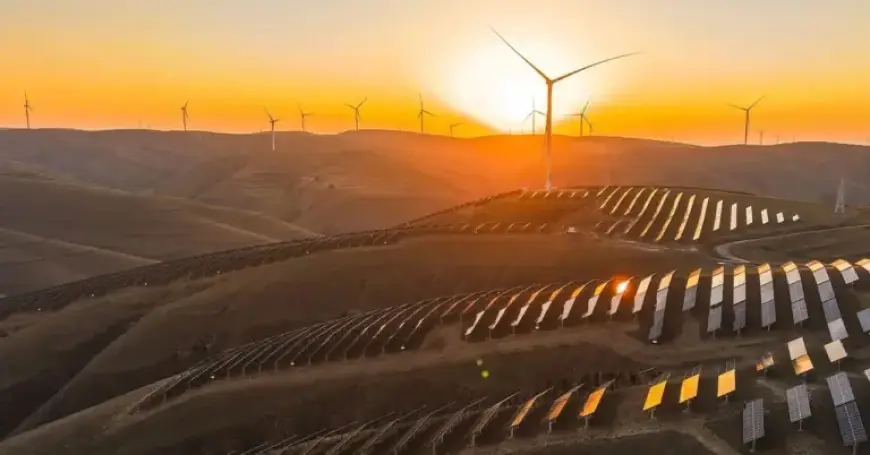
The transition to renewable energy in the United States faces significant challenges amplified by the surge in artificial intelligence (AI) energy demands. As technology progresses, the existing electrical grid requires urgent upgrades to meet new energy needs sustainably.
Understanding the Energy Landscape
Pier LaFarge, co-founder of Sparkfund, highlights the dual nature of renewable energy. He notes that while renewable sources are the cheapest form of electricity generation, they also contribute to rising rates due to necessary upgrades in the distribution infrastructure.
Cost Implications of Decarbonization
Recent analysis by the Union of Concerned Scientists (UCS) reveals that merely reinstating tax credits for wind and solar energy will not sufficiently combat climate change. The UCS study assessed policies aimed at significantly decarbonizing the U.S. energy grid as AI demand increases.
- Increased Costs: Implementing stringent power plant regulations and investing in transmission upgrades could raise wholesale electricity costs by approximately $412 billion, a 7% increase by the year 2050.
- Climate Cost Avoidance: However, these changes could prevent up to $13 trillion in costs linked to climate-related damages, including extreme weather events and local health issues tied to pollution.
The Role of the EPA
This month, the Environmental Protection Agency (EPA) announced a policy shift that excludes considerations of lives saved from pollution in its regulatory framework. This decision adds another layer of complexity to efforts aimed at improving the grid.
Grid Upgrade Necessities
A significant portion of the U.S. electrical grid is in urgent need of modernization. The imperative now lies in ensuring that these upgrades, essential for reducing fossil fuel reliance, do not unfairly burden consumers.
Addressing Energy Demands from AI
Experts emphasize the need for robust regulations around data centers. Clemmer, a noted analyst, advocates for ensuring adequate electricity generation capacity to meet the needs of these centers without detracting from the energy needs of other users.
Future Outlook on Renewables
Despite past political resistance to renewable energy initiatives, there are encouraging developments. LaFarge points out that the ongoing deployment of energy storage solutions, like batteries, combined with financial arrangements requiring data centers to contribute to infrastructure costs, could help stabilize and potentially lower utility rates for consumers.
Notably, the growth of renewable energy continues to accelerate, with solar, wind, and energy storage comprising over 90% of the new energy sources added to the grid last year. This trend suggests a future energy landscape similar to Texas, characterized by an abundance of affordable wind and solar power accompanied by strategic gas plants and extensive battery installations.
Overall, the challenge ahead will involve balancing the urgent demand for renewable energy with the necessary upgrades to the grid to ensure a sustainable future. The steps taken in the coming years will be crucial to achieving U.S. carbon goals while still meeting the rising energy needs driven by AI.