

























Global LNG Supply Surge Poses Immediate Market Challenges

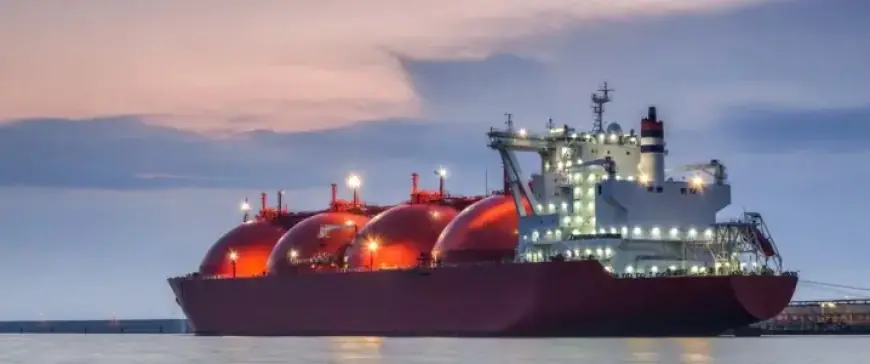
The global liquefied natural gas (LNG) market is on the brink of a significant transformation, with a surge in supply poised to shift market dynamics in 2023. Analysts have predicted a 10% increase in global LNG supply this year, driven by new export projects and ramp-ups of existing facilities.
Key Developments in Global LNG Supply
The primary contributors to this supply surge are the top two exporters, the United States and Qatar. This growth is expected to have immediate impacts on Asian spot LNG prices, as well as on Europe’s benchmark pricing at the Dutch Title Transfer Facility (TTF).
- U.S. LNG exports were up 26% in the last reported year and are projected to continue increasing through 2027, though at a slower pace.
- Key projects such as Plaquemines LNG and Corpus Christi Stage 3 are ramping up operations, and the Golden Pass LNG project is set to begin operations by mid-2026.
- Qatar’s mega LNG expansion projects are anticipated to complete by 2028, adding to the supply growth.
Expected Capacity Increases
According to the International Energy Agency (IEA), nearly 300 billion cubic meters per year of new LNG export capacity is projected to be operational between 2025 and 2030. This influx represents the largest capacity wave recorded in the history of LNG markets.
Market Reactions and Future Outlook
While lower prices may squeeze profit margins for U.S. exporters, reduced costs could stimulate additional demand, particularly in Asia. Buyers in this region are increasingly sensitive to LNG pricing.
Despite concerns about a near-term global LNG glut, major exporters like Qatar and the United Arab Emirates (UAE) maintain an optimistic outlook for future demand. Energy Minister Suhail al Mazrouei from the UAE noted a mismatch between the expected demand and current investment in new supply capacities.
Concerns for the Future
Both Al Mazrouei and QatarEnergy’s CEO Saad Sherida Al-Kaabi expressed reservations regarding the future supply landscape. They highlighted the potential for significant demand outpacing investments in new production capabilities, which could lead to price surges in the future.
In summary, as global LNG supply increases, market challenges are likely to arise, affecting pricing and investment strategies in the coming years. The balance between supply growth and demand will be critical for market stability.