

























Canadian Navy Urges Swift Submarine Procurement Amid Known Shortcomings

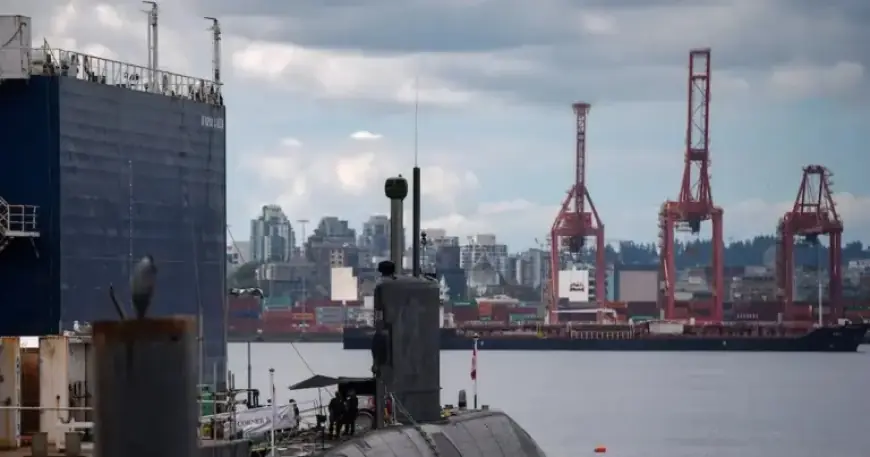
As global uncertainties rise, the need for a robust submarine fleet within the Royal Canadian Navy has become increasingly urgent. Rear Admiral David Patchell, commander of Canada’s Pacific naval fleet, has emphasized the importance of swiftly acquiring new submarines to address significant operational gaps.
Challenges Facing the Canadian Submarine Fleet
During a recent visit to Canadian Forces Base Esquimalt, Patchell pointed out that Canada currently possesses four aging diesel-electric submarines that require extensive maintenance. HMCS Corner Brook and HMCS Chicoutimi are both vital assets, but both face limitations that hinder their operational readiness.
- Canada’s submarine fleet includes four second-hand submarines acquired from Britain in 1998.
- The navy has invested billions in maintaining these vessels since their purchase.
- In 2026, no Canadian submarines are anticipated to be operational in the Pacific.
Plans for Submarine Procurement
Patchell’s top priority is to secure a new fleet of submarines. The Canadian government plans to procure up to 12 new vessels, with the competition narrowed down to South Korea’s Hanwha Oceans and Germany’s ThyssenKrupp Marine Systems (TKMS). Each contender is expected to present its proposal to fulfill the multibillion-dollar contract to replace the aging Victoria-class submarines.
Recruitment Issues
Recruitment shortfalls within the Royal Canadian Navy also pose significant challenges. The navy currently lacks approximately 2,000 trained sailors, a shortfall that affects operations and maintenance capabilities.
- The Royal Canadian Navy’s target strength is 7,700 active sailors.
- About 1,000 technician positions are unfilled, impacting the maintenance of vessels.
- To meet future naval demands, estimated staffing needs may rise to nearly two to two and a half times the current requirement.
Technological Advancements and Partnerships
To address workforce shortages, advances in technology have helped reduce crew requirements for new vessels. TKMS is collaborating with Canadian artificial intelligence firm Cohere to enhance the operational efficiency of submarines through improved data management.
Similarly, Hanwha Oceans is establishing a subsidiary in Ottawa and partnering with Babcock Canada to support domestic capabilities and sustainability in its proposal.
Strategic Implications and Future Outlook
Rear Admiral Patchell has expressed concerns about increasing activities from foreign submarines, particularly from Chinese and Russian forces in Canadian waters. He recognizes that the challenges facing Canada’s naval capabilities are well understood, especially as the military relationship with the U.S. faces uncertainties.
Retired Major-General David Fraser also highlighted the critical need for a strengthened naval presence amid rising geopolitical tensions, particularly in the Arctic region. The federal government aims to finalize the new submarine contract by 2028 and expects the first of the new submarines to be delivered by 2035.
The need for effective submarine procurement in Canada cannot be overstated. With evolving global threats, timely action in acquiring advanced naval capabilities is essential for maintaining sovereignty and security.