

























Free Solar Panels, Heat Pumps Offered to Households Earning Under £35,000

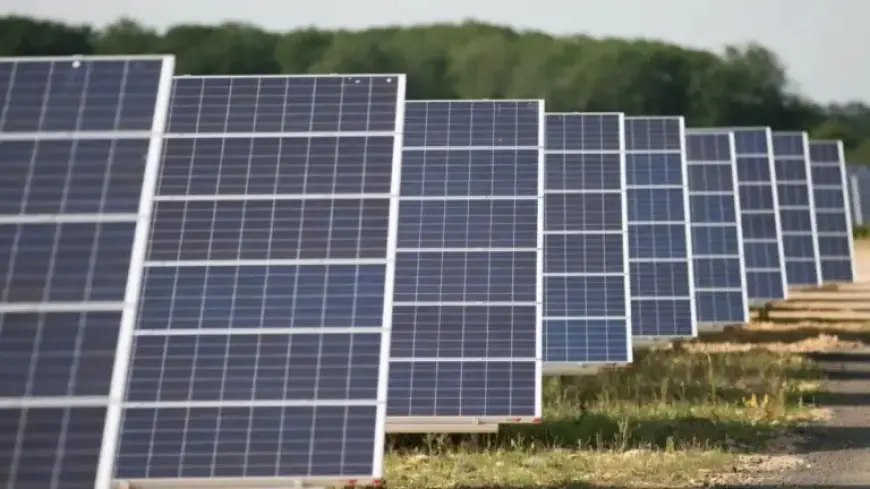
The UK Government has launched a new initiative aimed at improving the energy efficiency of homes for lower-income households. This program will allocate £15 billion to assist families earning less than £35,000 through various energy-efficient upgrades.
Free Solar Panels and Heat Pumps for Low-Income Families
Under this initiative, eligible households can access free solar panels, heat pumps, and additional home enhancements. Ed Miliband, the Energy Secretary, emphasized that this plan is part of a broader strategy to alleviate the cost of living while promoting sustainable energy solutions.
Targeted Support for Vulnerable Households
The new scheme is designed to streamline previous government efforts, particularly the now-defunct Energy Company Obligation (ECO) program. Miliband explained that the initiative would provide £5 billion in public investment specifically for home improvements, benefiting families in social housing and low-income owner-occupiers.
- Free solar panel grants valued around £10,000.
- Inclusion of smart controls, heat pumps, and insulation.
- Expected savings of £550 annually for typical households switching to heat pumps powered by solar energy.
Eligibility criteria will require total household income to be around £35,000 or less. While it is likely that homeowners will qualify, the government also aims to encourage landlords to adopt green technologies for their tenants.
Social Housing and Community Heat Solutions
The Government plans to implement communal heat networks in social housing, effectively establishing shared heating systems to reduce costs. This approach is intended to make sustainable energy options more accessible to those in financial distress.
Concerns and Criticism
However, some critics have raised concerns about the potential hidden costs associated with switching to heat pump systems. Andrew Bowie, the shadow energy minister, cautioned that families could face higher ongoing expenses, particularly if electricity prices remain elevated.
In support of the initiative, Joanna Elson from Independent Age highlighted the dangers of cold homes for older individuals. She noted that many low-income seniors are forced to choose between heating and other vital necessities, which can severely impact their health.
Conclusion
With the Government’s warm homes plan, there is a significant potential to improve the living conditions of lower-income households across the UK. While challenges remain, the initiative represents a move toward greater energy efficiency and sustainability for vulnerable communities.