






















Judge Blocks Government from Reviewing Seized Washington Post Documents in Trump Case

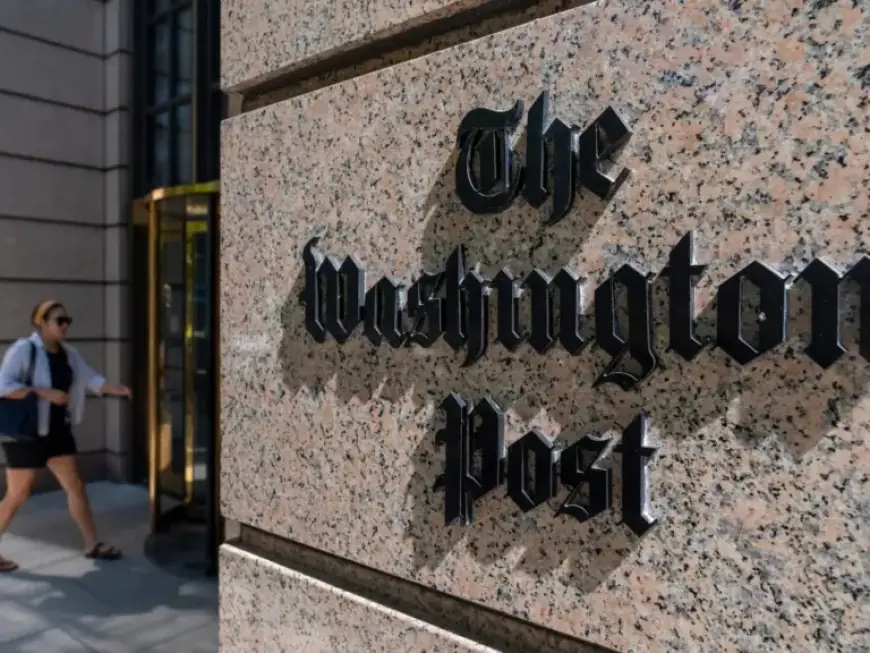
A recent ruling has emerged as a significant development in the ongoing battle for press freedom. A federal magistrate judge, William Porter, has halted the U.S. government from reviewing materials seized from a Washington Post reporter, Hannah Natanson. This decision marks a pivotal moment for journalism and First Amendment rights.
Background of the Case
The case revolves around a search warrant executed on January 14 by the Trump administration, which targeted Natanson’s home. The government had been investigating Aurelio Luis Perez-Lugones, a contractor arrested on January 8 for allegedly removing classified documents. However, the seizure resulted in the confiscation of Natanson’s professional and personal devices, raising concerns about the violation of her rights as a journalist.
The Seized Materials
- Seized devices included:
- Work computer
- Post-issued cellphone
- Personal MacBook Pro
- One-terabyte hard drive
- Voice recorder
- Garmin watch
In court documents, attorneys for The Washington Post argued that the electronics contained years of confidential source information and unpublished materials vital to Natanson’s reporting. The complaint emphasized that the seized data was largely irrelevant to the ongoing investigation.
Legal Proceedings and Implications
The judge’s ruling is temporary, pending a hearing scheduled for February 6, which will allow the Justice Department to respond to the newspaper’s lawsuit for the return of the seized items. The Post argues that the seizure poses a threat to journalistic integrity and could chill future reporting.
Advocacy for Press Freedom
Press freedom advocates are celebrating this ruling as a small victory against government overreach. The Washington Post stated that the “outrageous seizure” of its reporter’s materials hinders free speech and reporting. The newspaper has called for the immediate return of all seized documents, arguing that anything less could set a precedent for future newsroom raids.
Government Response
The Trump administration has maintained its aggressive stance toward what it perceives as leaks of classified information. Attorney General Pam Bondi criticized Natanson, suggesting her reporting was tied to illegal information. Press Secretary Karoline Leavitt reiterated that the administration would not tolerate leaks that threaten national security.
First Amendment Considerations
The First Amendment protects the freedom of speech and the press. However, past Supreme Court rulings indicate that the government must demonstrate a “clear and present danger” to restrict such freedoms. Historical cases, like New York Times v. United States, affirm the protection of journalistic activities, even in the face of national security claims.
Conclusion
This case continues to unfold as a litmus test for press freedom in America. With significant implications for journalists nationwide, eyes will be on the upcoming hearing in February as advocates hope for a favorable outcome that upholds constitutional rights.