Taylor Swift–Blake Lively texts surface in court filings, revealing friendship strain and a widening legal ripple effect

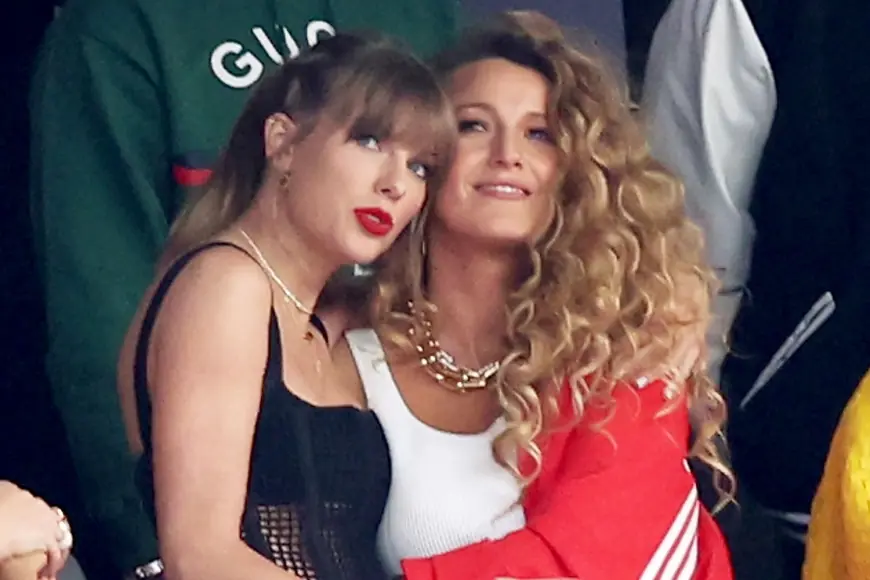
A new batch of private text messages involving Taylor Swift and Blake Lively has entered the public record after being unsealed in ongoing litigation tied to It Ends With Us and its director/co-star Justin Baldoni. The messages, dated largely to late 2024, add a personal dimension to a case that has already pulled in major names—showing how quickly an entertainment dispute can spill into reputational strategy, friend-group dynamics, and legal maneuvering.
The immediate impact isn’t just gossip value. Once communications become exhibits, they can shape timelines, intent arguments, and credibility debates—especially when each side is trying to prove what was known when, who influenced whom, and how public narratives were formed.
What the unsealed Taylor Swift–Blake Lively texts say about timing and intent
The newly public messages focus on two overlapping threads: a period of distance between Swift and Lively, and discussions orbiting the escalating conflict involving Baldoni. They show Lively attempting to manage personal friction while also navigating a public-facing situation that was rapidly intensifying.
While some headlines have latched onto the most cutting phrasing, the more consequential detail is how the texts map onto the case timeline: when conversations happened, what topics were front-of-mind, and how quickly private reassurance blurred into public positioning. The filings also suggest that multiple entertainment figures’ communications were bundled into the same unsealing wave, expanding the circle of collateral attention.
-
The texts were unsealed on January 21, 2026, becoming part of the public court record.
-
The messages largely date to late 2024 and center on a perceived “distance” in the friendship and efforts to smooth it over.
-
The communications intersect with the broader legal battle involving Justin Baldoni and It Ends With Us, putting personal conversations into a legal context.
-
The dispute’s scope continues widening, as other notable names and materials have been drawn into filings and side arguments.
Why “Blake Lively texts” matter legally, not just socially
In court, messages like these are rarely introduced because they’re interesting—they’re introduced because someone believes they help prove a point. Even when the content feels personal, the legal value can come from:
1) Establishing a timeline.
Texts can confirm when a person learned certain information, when a relationship cooled or mended, and what the emotional temperature was at key moments.
2) Supporting or undermining credibility.
If a public statement later conflicts with private messages, the opposing side may argue inconsistency. If messages show anxiety, uncertainty, or persuasion, they may be used to argue pressure or coordination—or the opposite.
3) Showing context around public reaction.
Even if the case isn’t “about” a celebrity friendship, courts often have to evaluate the real-world impact of statements, publicity cycles, and reputational harm claims.
It’s also worth noting that unsealing doesn’t necessarily mean a judge ruled the content “important”—it can reflect procedural fights over what stays private versus what belongs in an open record.
The Justin Baldoni angle: how one dispute keeps pulling in bigger names
The case involving Baldoni has already generated multiple flashpoints: allegations and denials, arguments over on-set conduct and decision-making, and disputes over how the conflict was framed publicly. This week’s unsealing adds a new layer by showing how quickly private support networks can become part of the record—especially when one side seeks to demonstrate influence, protection, or coordinated strategy.
The filings also revive a key moment from 2025, when legal tactics appeared to move toward forcing third-party testimony or materials from high-profile individuals. That attempt became a cultural talking point at the time; this unsealing renews interest because it suggests the “celebrity orbit” of the case isn’t shrinking.
What this means for Swift and Lively’s public image right now
For Swift, the risk is not that she’s “in the case” in a formal sense, but that any snippet—especially one with sharp language—can be amplified as if it represents a full position. For Lively, the issue is the same but multiplied: she’s a direct party to the dispute, so every new document drop gets interpreted through a legal lens and a public-relations lens at once.
The larger takeaway is that once private communications become exhibits, nuance is the first casualty. A messy, human conversation between friends can be framed as strategy; a supportive message can be framed as interference; a moment of frustration can be framed as intent.
In other celebrity legal battles over the past decade, the pattern has been consistent: the documents don’t just inform the case—they also become an ongoing parallel story that pressures everyone involved to manage narratives in real time.
FAQ: Taylor Swift Blake Lively texts
Why were Taylor Swift and Blake Lively texts released?
They were unsealed as part of court filings connected to ongoing litigation, making them accessible as public records.
Are the texts mainly about Justin Baldoni?
They touch on the dispute’s orbit, but a major portion centers on friendship strain and attempts to repair distance.
Does this mean Taylor Swift is a party to the lawsuit?
Not necessarily. Being referenced in filings or having messages appear in the record is different from being a named party.
What happens next depends less on the most viral lines and more on whether either side uses these messages to press new arguments—about motive, coordination, credibility, or damages. The key signal to watch is procedural: whether additional materials are unsealed, whether third-party discovery expands again, and whether the court draws firmer boundaries around what personal content is truly necessary for the legal issues at hand.