Israel Iran Conflict: Senate Fails to Curb Presidential War Powers as Strikes Expand to Tehran, Beirut and Lebanon

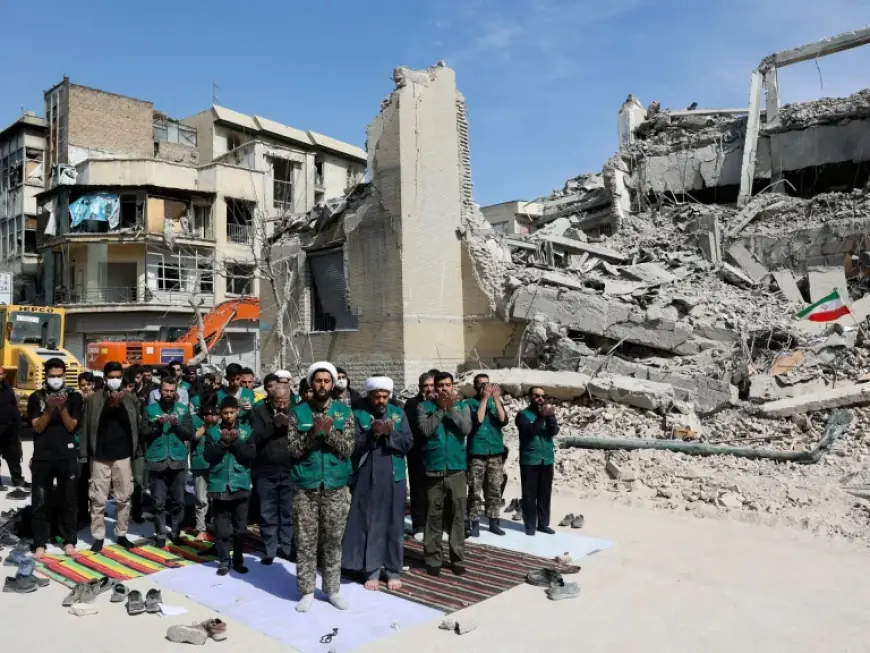
The Israel Iran Conflict intensified as the US Senate failed to restrict presidential war powers while US and Israeli strikes hit Iranian and Lebanese targets, widening the confrontation and sending energy and industry shockwaves through global markets. The legislative and military developments deepen uncertainty over how far the confrontation will spread and what economic disruptions may follow.
Israel Iran Conflict: Legislative Stalemate and Executive Authority
The US Senate voted against measures that would have limited the president’s war powers on Iran. With Senate control held by the president’s party and most of its members backing the ongoing military action, the effort to rein in executive authority did not advance. Any law requiring limits would need passage in both chambers and the president’s signature; the president had signaled opposition, and an override of a veto would have required a two-thirds Senate majority, which was not attainable.
There remains related legislation in the House that aims to curb presidential authority, but given the Senate outcome it is uncertain whether that measure will proceed to a vote or succeed. The immediate effect is a reaffirmation of broad executive latitude over the conduct of military operations in this confrontation.
Military Escalation: Strikes on Iran, Lebanon and Maritime Incidents
Military action has expanded geographically: US and Israeli forces have conducted bombardments against targets in Iran while Israeli forces have intensified strikes in Lebanon. Footage from the western Iranian city of Sanandaj showed multiple explosions at a site appearing to be a radio and television authority, with nearby homes sustaining broken windows.
Alongside air and ground operations, naval violence has been reported: a retired US general said the Pentagon sank an Iranian warship in international waters off Sri Lanka’s coast because the vessel was considered a threat. Analysts and military commentators are flagging how coordinated strikes and maritime actions are reshaping Iran’s military posture and leadership dynamics, with implications for escalation and regional stability.
Economic and Industry Ripples: Energy Prices, Chips and Supply Risks
The widening Israel Iran Conflict has triggered immediate economic effects and industry concerns. Energy markets reacted sharply: liquefied natural gas prices rose more than 40 percent on the first day of the recent escalation, and natural gas prices across several European nations nearly doubled over a two-day span. Diesel prices have also jumped disproportionately as some gas-dependent nations turned to petroleum purchases, disrupting future orders for certain US states.
An energy economist warned that prolonged interruptions to Middle East supply routes could push oil prices to very high levels if key passages became unusable, with particular risk to regions reliant on seaborne deliveries. That economist highlighted the potential for severe local impacts, noting US New England states as especially vulnerable and suggesting domestic political repercussions could follow.
Beyond fuel, the chip industry is sounding alarms about broader supply-chain fallout. A South Korean lawmaker relayed concerns from chip executives that a drawn-out conflict could delay plans by major technology firms to build AI data centers in the Middle East and could disrupt flows of critical chip-making materials such as helium. Those manufacturing and infrastructure delays would compound pressure on global chip demand and distribution just as markets absorb energy-driven price shocks.
Taken together, the legislative impasse in Washington, the expanding scope of strikes on land and at sea, and rapid shifts in energy and tech markets create a cascading set of risks. Officials and industries will be watching whether hostilities stabilize or broaden further; for now, the Israel Iran Conflict remains fluid and disruptive, with political, military and economic consequences unfolding in real time.