Trump’s First Year Likely Sparks Long-Term Economic Impact

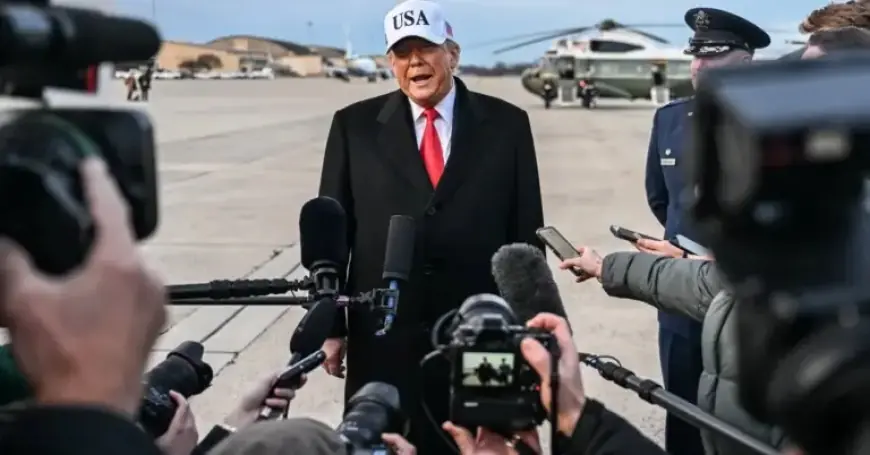
As President Trump completes his first year in office, the U.S. economy reflects stability in some areas, although underlying challenges persist. Unemployment remains low, and consumer spending is robust, but inflation continues to be a concern. The economy is facing a complex landscape influenced by Trump’s policies and global events.
Economic Overview
The year closed with the stock market achieving a 16% gain, signaling resilience amidst political uncertainty. However, Trump’s economic approach raises issues for the future. Major policy shifts have sparked debate among economists and political analysts.
Key Economic Indicators
- Unemployment Rate: Remains low
- Stock Market Growth: 16% increase
- Inflation: Persisting but showing signs of gradual improvement
Trump’s Economic Policies
Trade tariffs, a hallmark of Trump’s economic strategy, have not prompted the anticipated manufacturing surge. There is also an ongoing debate regarding their impact on inflation.
Critics argue that Trump’s actions threaten long-established economic frameworks. The independence of the Federal Reserve has come under scrutiny due to his administration’s interventions.
Specific events of note include:
- The dismissal of the Bureau of Labor Statistics head
- Restrictions on immigration
- Interventions in private business transactions
Warnings from Economists
Economists across the political spectrum express concerns about the long-term consequences of Trump’s policies. For example, Kimberly A. Clausing from UCLA highlights potential risks for economic dynamics and financial stability.
Former White House economist N. Gregory Mankiw notes that the long-term effects of current policies are unpredictable, raising alarms that the U.S. may be moving toward less prosperity. Other economists, including Vance Ginn, express worries that the cumulative impact of tariffs and trade policies could outweigh any immediate benefits.
Public Sentiment and Employment Concerns
While consumer confidence saw a brief rebound post-election, it declined sharply early in Trump’s term. Voter dissatisfaction has resurfaced, especially regarding cost-of-living issues such as housing and childcare. This economic anxiety is paired with growing fears over job security.
Joanne Hsu from the University of Michigan emphasizes that many Americans are increasingly concerned about their job prospects, despite low unemployment. The impression is that while jobs may be available, finding one is becoming more challenging.
Future Economic Challenges
Supporters of Trump’s policies argue that the benefits will materialize over time. However, the prevailing sentiment among economists is one of caution. Critics warn that a weakened Federal Reserve, along with rising budget deficits, could lead to substantial fiscal challenges in the future.
Furthermore, cuts to research funding and immigration policies may hinder America’s competitiveness in global scientific innovation. As uncertainty looms, the sustainability of Trump’s economic legacy remains a key issue.
Conclusion
While the immediate economic indicators suggest stability, the long-term impacts of Trump’s policies could shift significantly. Economists advocate for vigilance and a measured approach in evaluating the consequences of these changes. The next few years will be crucial in determining the trajectory of the U.S. economy under Trump’s administration.