Scarpetta (tv Series) adaptation falters with AI chatbot centerpiece

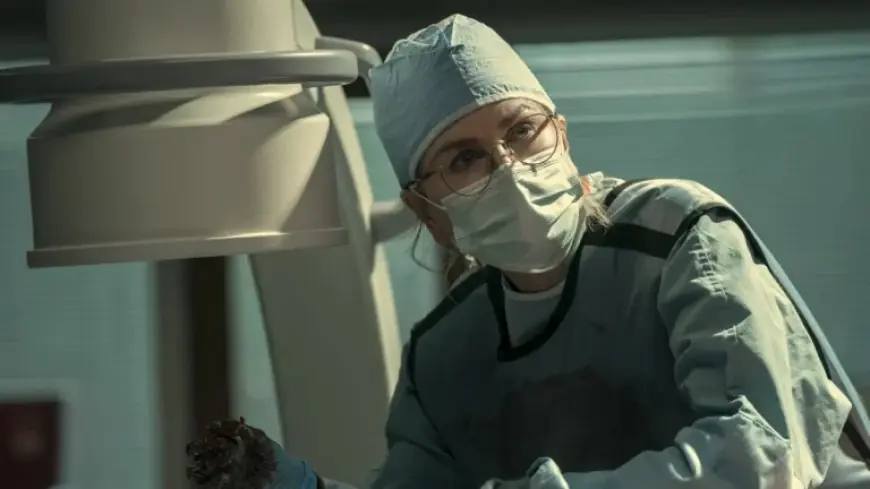
Nicole Kidman headlines Scarpetta (tv Series), a new adaptation that critics call a dire, muddled procedural which unusually places an AI chatbot among its main characters. The pattern suggests producers layered cynical tech plotlines — from a chatbot named Janet to 3D-printed organs — onto Patricia Cornwell’s source material in ways that change tone and weaken the central whodunnit.
Nicole Kidman and Jamie Lee Curtis
Nicole Kidman plays Kay Scarpetta, Virginia’s chief medical officer, while Jamie Lee Curtis serves as both an executive producer and a cast member playing Dorothy. Kidman’s Scarpetta is described as icy, professional and haunted by past secrets, and Curtis’s presence anchors several scenes of sibling antagonism with Kidman’s character.
The figures point to strong lead chemistry: Kidman and Curtis have “terrific chemistry, ” and their bickering sibling scenes read as the clearest, most engaging material in the series. Yet that chemistry does not address structural problems: the series shifts between present-day Scarpetta and a 1990s timeline featuring a young Scarpetta played by Rosy McEwen, and those shifts often fail to build coherent tension.
Scarpetta (tv Series) AI subplot
The series inserts an AI chatbot named Janet, played by Janet Montgomery, as a principal thread tied to Lucy, Scarpetta’s niece, played by Ariana DeBose. Janet is the dead wife of Lucy, and the show develops a sub–Black Mirror relationship between Lucy and the chatbot; reviewers describe that subplot as repetitive and quickly wearing.
The pattern suggests the chatbot was meant to modernize Cornwell’s material but instead diverts attention: moments such as a Jamie Lee Curtis character having a “heart-to-heart with a computer screen” read as tone-shifting rather than tensile. At the same time, the series adds other technological beats — including a storyline about a company 3D-printing bodily organs that culminates in the death of a group of astronauts — that further push the adaptation away from a straight procedural.
Patricia Cornwell cameo moment
Patricia Cornwell appears on-screen in episode 1 in a brief cameo about 13 minutes into the episode, performing the ceremonial swearing-in when Scarpetta is re-sworn in as Virginia’s chief medical officer. Cornwell shakes Scarpetta’s hand and offers a short good-luck line as the character steps into the series’ darker events.
The cameo signals a conscious link to Cornwell’s 35-year run with the character, but it does not alter the adaptation’s core choices: the show adds a two-timeline structure and new plot devices not present in the original book, and those additions consistently produce abrupt reveals and tonal whiplash. Major plot points arrive as sudden revelations rather than through mounting evidence; reviewers describe key case breakthroughs as deus ex machina moments.
Forensic colleague Pete Marino, played by Bobby Cannavale, and young Scarpetta, played by Rosy McEwen, factor into a past-investigation thread that posits a possible wrongful identification when DNA science was in its infancy. Yet the past-versus-present framing rarely evolves into the smart whodunnit that setup might have supported. Dead women in the case are described as serving mainly as plot fodder, and scenes of gore appear out of left field.
Still, performers attempt rescue: Rosy McEwen strives to populate the younger Scarpetta with interior life, and Cannavale’s Marino is part of the procedural backbone. The analysis suggests that casting and performance deliver glimpses of dramatic potential, but the show’s structural edits and added tech material blunt that potential.
The next confirmed milestone is the series’ launch: the show began streaming on March 11. If the initial episodes’ tonal experiments and added technological elements hold across the season, the data suggests the series will be defined less by Cornwell’s original procedural focus and more by its hybrid, tech-inflected ambitions.