Qatar LNG Halt Triggers Surging Helium Prices and Supply Chain Concerns

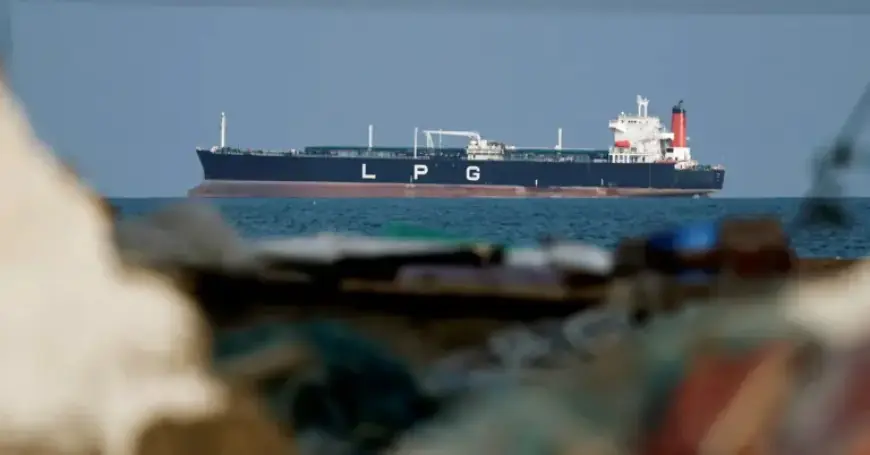
The ongoing conflict in the Middle East, particularly the war involving Iran, has significantly disrupted Qatar’s natural gas processing. This situation has led to a surge in helium prices and raised concerns about the supply chain affecting various critical industries.
Qatar’s Natural Gas Halt and Its Impact on Helium Prices
On March 12, 2026, QatarEnergy announced a production halt at its liquefied natural gas (LNG) facility, which has a capacity of 77 million tons per annum. The company declared force majeure on LNG shipments due to the conflict. Helium, a byproduct of natural gas, is expected to see its supply significantly cut as a result of these disruptions.
Current State of Helium Prices
- Helium spot prices have doubled since the onset of regional tensions.
- Expert Phil Kornbluth noted that the supply market is under severe strain.
- Data indicates that approximately 5.2 million cubic meters of helium per month could be lost if the disruptions persist.
Qatar accounted for around 63 million cubic meters of helium production in 2025, making it a critical supplier globally. The country produces about one-third of the world’s helium supply, indicating its importance in maintaining market stability.
Market Reactions and Projections
Experts predict a further increase in helium prices if the situation does not stabilize. Anish Kapadia, CEO of AKAP Energy, highlighted that an ongoing disruption could see helium prices exceed $2,000 per thousand cubic feet. He warned that a 60-to-90-day halt could lead to price increases ranging from 25% to 50% for certain buyers.
| Duration of Disruption | Estimated Price Increase |
|---|---|
| 30 days | 10% to 20% |
| 60 to 90 days | 25% to 50% |
Prioritized Sectors Amid Supply Shortages
In the event of further supply constraints, key industries will be prioritized for helium allocation. Medical imaging and semiconductor manufacturing are likely to receive significant shares of helium supplies, while less critical uses, such as balloons and diving equipment, may face severe cuts. This hierarchy reflects helium’s essential role in sectors where alternatives are limited.
A Broader Perspective on Helium Supply
The current helium market is characterized by long-term contracts, which can obscure immediate price shifts. According to experts, many buyers reliant on Qatar’s supply may struggle to find immediate alternatives. Companies like Air Liquide, Linde, and Air Products, which depend heavily on Qatari helium, face potential supply chain disruptions.
As the situation unfolds, producers outside the region may find new opportunities. Companies like Exxon Mobil, North American Helium, and others could see increased demand as the market adjusts to Qatar’s production challenges.
In summary, the disruption of Qatar’s LNG supply has triggered alarm over helium prices and supply chain integrity in various industries, underscoring the vulnerabilities present in the global helium market.