Iranian Supreme Leader Broadcast Points Toward Sustained Pressure on Shipping and Oil

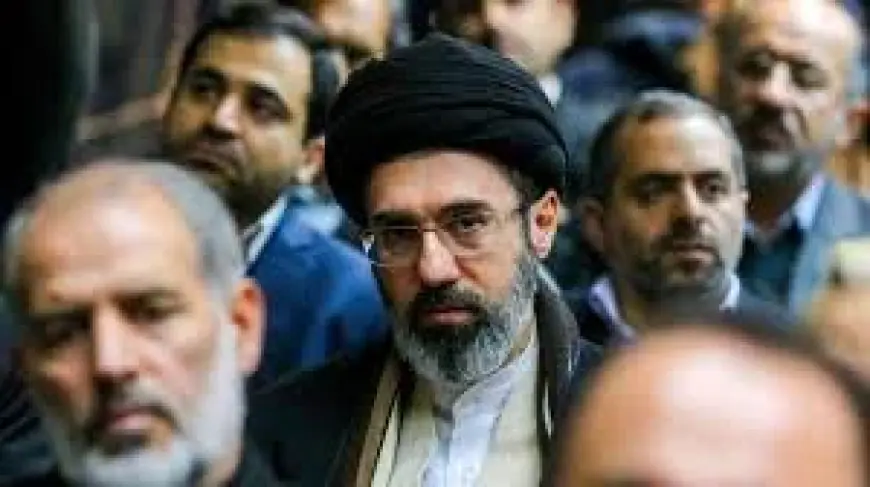
In his first public remarks as iranian supreme leader, Ayatollah Mojtaba Khamenei delivered a broadcast read by a newsreader calling for national unity, demanding that all US bases in the region close or face attacks and saying the Strait of Hormuz will remain closed. That statement, coupled with strikes that set two tankers ablaze in Iraqi waters and pushed oil back above $100 a barrel, signals a direction toward deliberate disruption of regional energy and shipping routes.
Current state: Ayatollah Mojtaba Khamenei’s broadcast and reported attacks
Ayatollah Mojtaba Khamenei’s first public statement as leader was not delivered on camera; a newsreader read the message that urged national unity and threatened attacks on US bases in the region. The context also records violent action: Iran appeared to have set two tankers ablaze in Iraqi waters, an incident that killed one crew member, and three ships were struck by unknown projectiles in the Strait of Hormuz, forcing the crew to evacuate a Thai bulk carrier after it caught fire.
Iranian Supreme Leader statement, market moves and diplomatic signals
The iranian supreme leader’s threat to keep the Strait of Hormuz closed has already shown market effects: oil prices rose to nearly $120 a barrel earlier in the week, then jumped almost 10% back above $100 a barrel before retreating to $98 a barrel. A military spokesperson warned that instability could push oil to $200 a barrel, and multiple governments responded—Thailand’s foreign ministry requested an apology after the attack on its bulk carrier, and Oman’s foreign minister and mediator in the US–Iran nuclear talks argued that the US would not gain as much through war as it might through diplomacy.
Two conditional scenarios tied to naval escorts and ongoing strikes
If the current pattern of strikes and the Strait of Hormuz remaining closed continues… the context points toward sustained disruption of oil and transport facilities across the region. The coverage explicitly links the conflict to what is being called the “largest supply disruption in history of oil markets, ” and notes recent direct attacks—such as the tankers set ablaze in Iraqi waters that killed one crew member and the school strike in Minab that killed dozens of seven- to 12-year-old girls—that are fueling calls for revenge and compensation. Continued closure of the strait and repeated strikes would likely keep oil volatile and shipping at risk, as shown by the rapid swings from nearly $120 to about $98 a barrel.
Should naval escorting or mediated diplomacy change course by the end of the month… the context gives a specific milestone that could alter the trajectory: the US energy secretary, Chris Wright, said on Thursday that the navy cannot escort ships through the strait now but that it is “quite likely” that could happen by the end of the month. If escorts begin, and if Omani mediation that argues diplomacy can achieve more than war gains traction, the pressure on shipping routes and energy markets could ease, reducing the immediate supply shock reflected in recent price swings.
What the context does not resolve is whether Mojtaba Khamenei will appear publicly on camera or if further direct leadership communications will follow; his first statement was delivered by a newsreader and he was not seen. The next confirmed milestone named in the context is whether the navy can begin escorting ships by the end of the month, and that event will materially clarify whether the current trajectory toward prolonged energy and shipping disruption will accelerate or begin to ease.