

























Top Apocalypse Films Highlight What Matters Most When the World Ends

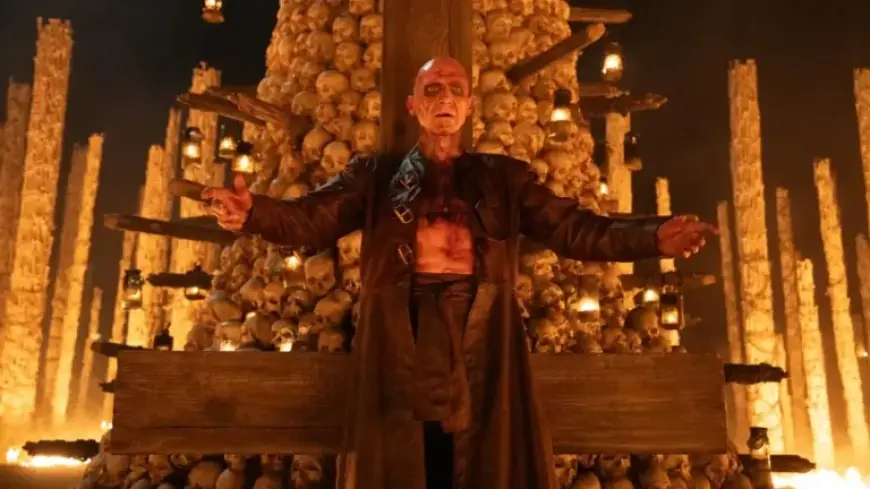
In the landscape of cinema, post-apocalyptic films like 28 Years Later and its sequel, 28 Years Later: The Bone Temple, delve into humanity’s relationship with culture and art during dire circumstances. Set against the backdrop of a world ravaged by the Rage virus, the films explore the significance of creative expression in the absence of civilization.
Key Characters and Themes
At the center of 28 Years Later: The Bone Temple is Dr. Ian Kelson, portrayed by Ralph Fiennes. A reclusive figure, Kelson dedicates himself to building a large ossuary to commemorate the deceased from the viral outbreak. His character reflects a stark contrast between despair and hope through his love of music. Old records serve as a source of solace amid chaos.
- Dr. Ian Kelson: Eccentric recluse and primary character played by Ralph Fiennes.
- Samson: An unlikely ally, characterized as ‘Alpha infected’ and played by Chi Lewis-Parry.
- Sir Lord Jimmy Crystal: The film’s antagonist, a cult leader portrayed by Jack O’Connel.
Musical Influences and Survival
Throughout the film, music acts as a vital link to the past. Kelson’s memories are often intertwined with the songs that define his existence. He engages with his surroundings, singing Duran Duran’s “Girls on Film” and dancing to “Rio,” showcasing how art survives through memory.
The climactic moment unfolds when Kelson is coerced into performing a heavy metal concert for Jimmy Crystal’s followers. His performance of Iron Maiden’s “The Number of the Beast” becomes a test of survival, blending theatrics with desperate measures.
Connecting with Other Works
This film shares thematic similarities with HBO Max’s miniseries Station Eleven, based on Emily St. John Mandel’s book. Station Eleven portrays a theater troupe that tours a post-pandemic America, emphasizing the need for art amidst ruin. They perform Shakespeare, attracting followers who long for connection in a fragmented world.
- Shared Themes: Both narratives explore how art becomes a lifeline in apocalyptic scenarios.
- Inspirational Elements: Characters find comfort in unique artistic expressions that resonate with their experiences.
Exploring Other Apocalypse Films
Numerous films grapple with the role of culture in a devastated world. For instance, I Am Legend features Will Smith, whose character finds solace in Bob Marley’s music while seeking a cure for humanity’s plight. Meanwhile, in Reign of Fire, characters entertain young survivors with improvised scenes from Star Wars, illustrating the adaptability of culture.
These narratives contribute to the notion that in the face of despair, the human spirit seeks validation through creativity and shared experiences. As articulated by the Traveling Symphony in Station Eleven, “survival is insufficient,” which resonates profoundly with the 28 Years Later franchise.
Conclusion
As explored through Dr. Ian Kelson’s journey, the significance of art amid adversity is a powerful theme in the 28 Years Later films. The Bone Temple is a testament to the enduring human need for expression and legacy, proving that even in a world stripped of civilization, culture can provide meaning. The film is currently in theaters, inviting audiences to reflect on what truly matters when faced with the end of the world.