























Europe’s Economic Bazooka: It’s Time to Act

The ongoing geopolitical tensions between the United States and Europe have reached a critical point. The focus has shifted from military might to economic measures, sparking discussions on the effectiveness of Europe’s strategies in this new reality. As the U.S. government threatens tariffs, European leaders are debating their response to safeguard their interests.
Europe’s Economic Bazooka: A Need for Action
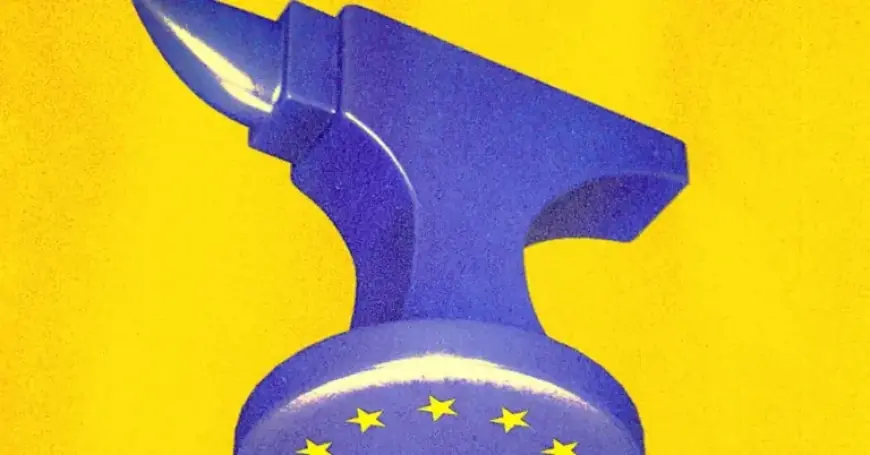
In 2023, the European Union introduced what is known as the anti-coercion instrument. This platform was developed in response to the rising threat of economic coercion by external powers. Even though this tool is powerful in theory, its practical application has yet to materialize.
Tariffs and Threats
Recent threats from the U.S. under President Donald Trump have included a plan to impose tariffs on eight European nations. The proposed tariffs would start at 10% on February 1, escalating to 25% by June 1 if specific demands are not met. This demand has heightened the urgency for Europe to reconsider its economic strategies.
- Initial tariff at 10% effective February 1.
- Increase to 25% by June 1.
- Targeted nations: eight European countries.
Challenges in Response
European leaders have expressed concern over the implications of such threats. Many worry that these actions could undermine NATO alliances. The EU’s reaction has been cautious. Some member states advocate for dialogue rather than confrontation.
Germany’s Chancellor has emphasized the need for any retaliation to align with national interests. This hesitance underscores a larger apprehension among European powers to deploy the anti-coercion instrument, which is designed to push back against economic aggressions.
Strategic Concepts Influencing Europe
The strategies outlined by thinkers like Thomas Schelling and Herman Kahn emphasize the importance of credible threats and escalation dominance. These concepts suggest that nations must be willing to endure retaliation to deter aggression effectively. Europe’s historical preference for soft power approaches seems challenged by the need for a more robust defense strategy.
The Anti-Coercion Instrument Explained
Despite being termed a “bazooka,” the anti-coercion instrument has not yet been deployed in real scenarios. It allows the EU to use various economic tools, including:
- Imposing trade quotas.
- Revoking access to financial markets.
- Restricting investments.
- Imposing import and export limitations.
However, its actual usage is constrained by necessary fact-finding missions and consultations among member states, which can delay responses to threats.
Urgency for Action
The pressure is mounting for Europe to activate its economic defenses. A proposed tariff could amount to approximately 93 billion euros (around $109 billion) on American goods. Nevertheless, unity among member states remains tenuous, with some advocating for negotiation before sanctions.
Europe’s path to independence relies on decisive action. Delays in leveraging the anti-coercion instrument could embolden aggressors like Trump, jeopardizing European interests in the long term.
Looking Ahead
To maintain its sovereignty and deter challenges from both the U.S. and potentially other powers like China, Europe must utilize its economic tools. It is essential to craft a credible retaliation strategy that underscores the serious consequences of aggressive actions against it.
As the geopolitical climate evolves, Europe’s leaders face a critical juncture. The time for decisive action is now. The existence of the anti-coercion instrument must transition from theory to practice for Europe to safeguard its autonomy in an unpredictable world.