
























US Dollar Faces Potential ‘Collapse’ Warning

The US dollar is experiencing notable declines amid rising tensions between the United States and Europe, particularly over the Greenland issue. An economist has warned that the combination of a weakening dollar and increasing bond yields could have dire consequences for Australian mortgage holders and businesses.
US Dollar Under Pressure from European Disputes
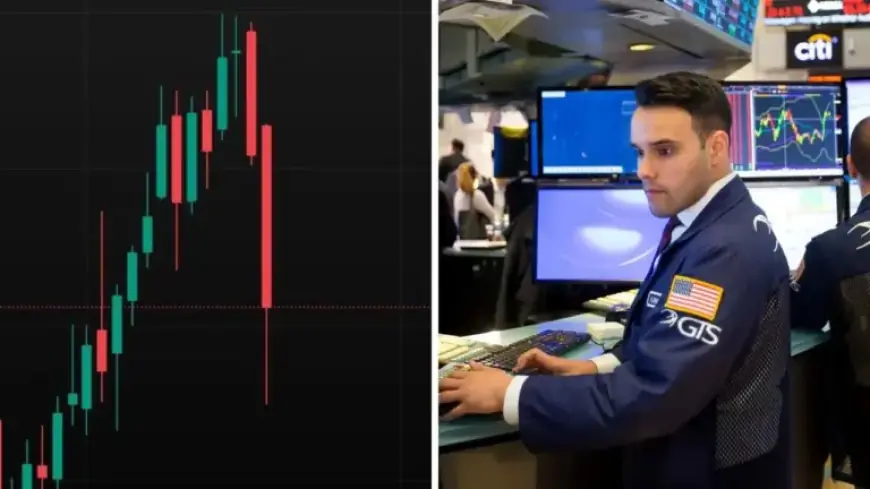
The dispute over Greenland has escalated, with President Donald Trump threatening tariffs of 10% on imports from six European nations. This standoff contributed to a sell-off in American markets, particularly following the recent long weekend, causing the S&P 500 to decrease by 2.06%. This marked its worst single-day drop since October 10, when it fell by 2.71% during US-China trade tensions.
Market Reactions to Economic Changes
- Gold reached a new record high of $4,814 per troy ounce as investors shifted towards safe-haven assets.
- The US dollar index fell to 98.55, indicating a weaker dollar against other major currencies.
Economist Peter Schiff cautioned that another decline in the dollar could lead to soaring consumer prices, predicting “unprecedented stagflation.” This warning aligns with the actions of Danish pension fund AkademikerPension, which announced plans to sell approximately $100 million in US Treasuries by the month’s end due to concerns over US government finances.
Consequences for Australian Economy
Shane Oliver, Chief Economist at AMP, noted that while a weaker US dollar could lower prices for American imports and holidays, it may also make Australian exports more expensive. The fluctuations in global trade could negatively impact Australia’s economy, as a small trading nation.
- Weaker US dollar effects:
- Cheaper imports from the US
- Costlier exports to the US
Oliver explained that a declining dollar during a crisis often signals underlying issues within the US economy itself. The ongoing trade war with Europe over Greenland and criticism of the Federal Reserve is causing diminished confidence in US leadership under Trump.
Potential Market Turbulence
There are concerns that the US asset sell-off could escalate as rising Japanese bond yields may force investors to offload US assets. However, Oliver described these fears as exaggerated, suggesting that dramatic increases in Japanese interest rates are unlikely.
The unpredictability of Trump’s approach—marked by extreme announcements followed by reversals—has created a market maxim known as TACO, or “Trump Always Chickens Out.” While analysts fear a new trade war, optimism persists that the president may eventually retreat from his rigid stance, potentially stabilizing markets.