War, Rising Interest Rates, and $200 Oil: Recipe for Recession?

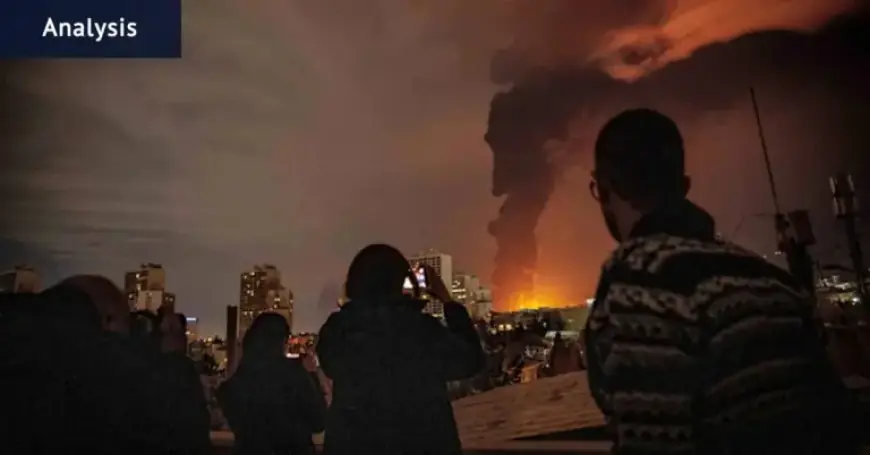
The recent geopolitical tensions, specifically the war involving Iran, have raised concerns about multiple economic factors, including rising interest rates and soaring oil prices. Analysts warn that these elements could lead Australia into a recession. This article explores the implications of high oil prices, particularly if they reach $200 per barrel, and the actions the Reserve Bank of Australia (RBA) may take in response.
The Economic Landscape: Rising Interest Rates and Oil Prices
In the wake of escalating conflicts, the global economy is facing significant challenges. Current predictions suggest that oil prices may soar to unprecedented levels, potentially hitting $200 a barrel. This scenario has prompted discussions around the RBA’s monetary policy and its impact on inflation.
The Reserve Bank’s Response
- Economists from Australia’s major banks anticipate multiple interest rate hikes in the coming months.
- The cash rate is expected to reach 4.1% soon and possibly 4.35% later.
- RBA Deputy Governor Andrew Hauser has highlighted the war’s impact on inflation control, adding to uncertainty in economic predictions.
Household and Economic Implications
Recent data indicates a 0.5% decline in household spending for February, marking the first decrease since September 2024. Key areas of reduced expenditure include utilities and hospitality. The RBA’s plans to address inflation are hindered by these conditions.
Hauser noted that aggressive interest rate increases could precipitate higher unemployment and cripple consumer spending. Official forecasts suggest inflation might surpass the previous estimate of 4.2% midway through the year, accompanied by a slowdown in economic growth to around 1.8% by year’s end.
The Potential Impact of Oil Price Increases
Some analysts warn that oil prices could average between $120 and $150 per barrel, which would significantly elevate living costs. According to research firm Wood Mackenzie, even if the conflict resolves quickly, prices may need to approach $150 per barrel to stabilize supply and demand. As a result, petrol prices in major cities like Sydney and Melbourne may increase by up to 50 cents per litre.
Simon Flowers, chairman of Wood Mackenzie, has stated that the possibility of $200 oil is realistic in 2026. This could compel the RBA to increase rates, potentially stifling economic recovery.
Expert Opinions on Rate Hikes
- Independent economist Nicki Hutley cautions against rapid rate increases that may harm the economy.
- Diana Mousina from AMP underscores the necessity for a balanced approach to monetary policy, cautioning that further hikes increase the risk of economic slowdown.
While the RBA faces pressure to control inflation, experts suggest that any aggressive maneuvers could be counterproductive. The interplay of geopolitical tensions, oil prices, and interest rates continues to shape Australia’s economic future.