Toyota Highlander Recalls expose a seat-back fix timeline still waiting on April letters

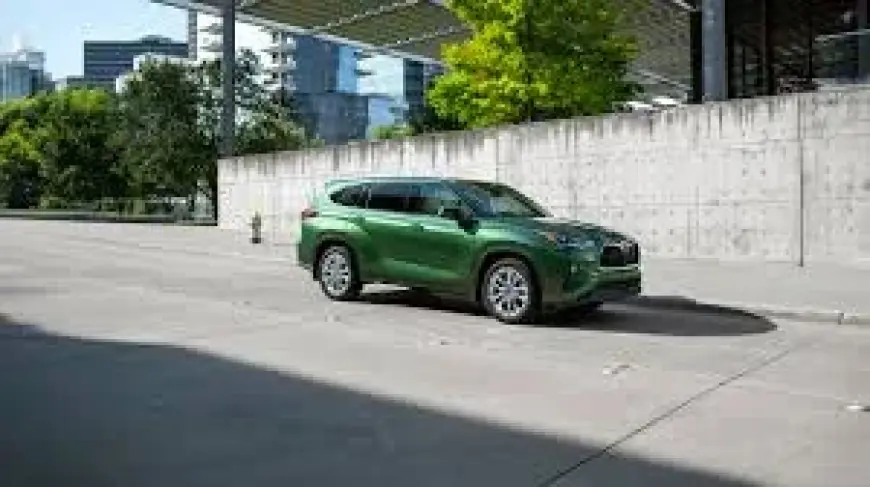
Toyota has announced a recall of 550, 007 vehicles after federal regulators described a seat-back locking issue. Yet the record also shows a built-in delay: while owners are expected to be notified and offered a free repair, notification letters are not expected to be mailed until April, leaving a window where affected drivers may not realize their vehicles are included in the fix.
Toyota Highlander Recalls cover 550, 007 SUVs across 2021–2024 model years
The confirmed action is broad in scope. Federal regulators said Toyota is recalling 550, 007 vehicles tied to a seat-back locking issue. The recall includes 420, 771 Highlander vehicles and 129, 236 Highlander Hybrid vehicles, spanning model years 2021 through 2024. The notice was filed with the National Highway Traffic Safety Administration, placing the defect details and remedy in a formal regulatory record.
The defect description centers on the second row. The notice said “second-row seat backs may fail to lock into position during seat back adjustment. ” That statement does not describe a cosmetic issue or a warning indicator problem; it identifies a mechanical condition where a seat back can remain unsecured even after an occupant adjusts it.
For affected owners, the National Highway Traffic Safety Administration said they will be notified and instructed to return their vehicles to a Toyota dealer. The planned dealer action is specific: replace the return springs in the recliner assemblies with improved ones, free of charge. The context does not confirm how long the repair takes, how many components are replaced per vehicle, or whether any interim guidance is being provided to owners before repairs are completed.
National Highway Traffic Safety Administration notice ties defect to crash-speed injury risk
The context documents why regulators treated the issue as safety-relevant. The notice said that a seat back not secured in a locked position “may fail to properly restrain occupants, ” which increases the risk of injury “in the event of a crash at higher speeds. ” The safety risk is framed around occupant restraint performance, not just comfort or convenience, which helps explain why the remedy is structured as a recall with dealer repairs.
Still, the notice language also narrows what is confirmed. It connects elevated injury risk to scenarios where the seat back is not secured in a locked position, and to crashes at higher speeds. What remains unclear is how often the seat back fails to lock during adjustment in real-world use, and whether Toyota or regulators have identified any conditions that make the failure more likely. The context does not confirm incident counts, complaint totals, or whether any injuries or crashes have been linked to the issue.
Even so, the repair approach described in the notice indicates a component-level change rather than a software update or inspection-only campaign. Replacing return springs in recliner assemblies with improved ones suggests a design or durability concern centered on the mechanism that helps achieve or maintain the locked position. The context does not confirm when Toyota first identified the condition, how the “improved” springs differ, or whether production changes have already been implemented for newer vehicles.
April owner letters create a timing gap in Toyota’s recall process
The central tension documented in the context is timing. On one hand, the National Highway Traffic Safety Administration said all owners of affected vehicles will be notified to return their vehicles to a Toyota dealer for a free fix. On the other hand, owner notification letters are expected to be mailed in April, meaning the formal outreach is not immediate even though the recall has been announced.
That gap matters because the defect involves the seat-back locking function during adjustment. Without notification, many owners may continue normal use without awareness that the vehicle is covered by a recall, or that a particular second-row seat-back adjustment behavior is part of the defect description. The context does not confirm whether Toyota is using additional channels beyond letters, or whether dealers can proactively identify and schedule repairs before letters arrive.
Within the same context, Toyota’s recent recall activity is also documented: the company recalled around 141, 000 Prius and Prius Prime vehicles last month after discovering rear doors can unexpectedly open while the car is moving, and it recalled around 141, 000 Prius and Prius Prime vehicles in February. Those separate actions do not establish a shared cause with the Highlander seat-back issue, but they do show multiple recall campaigns occurring over a short span of time, each involving different vehicle systems and risks.
For now, the evidence threshold that would resolve the timing question is clear within the record: the mailing of the April owner notification letters. If those letters are sent as expected, it would establish that the recall process has moved from announcement into direct owner outreach, a step that the context links to directing vehicles to dealers for the free spring replacement.