Iranian Drone Attack Campaign Reaches 37 Waves — FBI Warns of Seaborne Strike on California

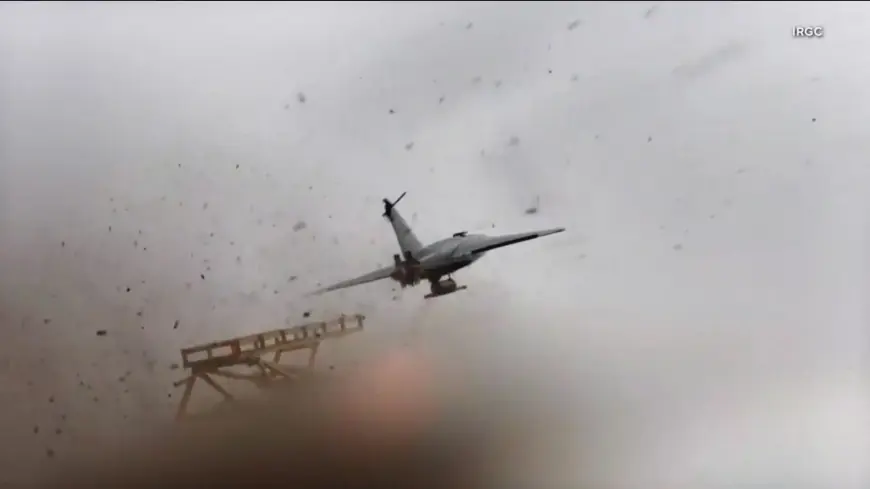
Iran's drone war is no longer contained to the Middle East. Wednesday marked the 37th consecutive wave of Iranian drone attacks and missile barrages since Operation Epic Fury began 12 days ago — hitting U.S. bases in Kuwait, civilian buildings in Bahrain, oil infrastructure across the Gulf, and an airport in Azerbaijan. Now the FBI has warned that California itself may be in the crosshairs.
The scope of the campaign is unlike anything the U.S. military has faced from a single adversary.
37 Waves in 12 Days: The Gulf Under Siege
Iran fired its 37th wave of attacks Wednesday, targeting a United States base in Kuwait with four missiles — two aimed directly at Camp Arifjan — while simultaneously striking targets across Qatar, Bahrain, Saudi Arabia, and the UAE.
In the UAE alone, air defenses intercepted 26 of 35 incoming drones and eight of nine ballistic missiles. Dubai International Airport suspended operations for several hours while defenses engaged the incoming projectiles. In Bahrain, a drone strike on a residential building in the Al Seef district of Manama killed a 29-year-old woman and wounded eight others.
Qatar's Ministry of Defence confirmed intercepting a new missile attack over Doha, with smoke clouds from interceptions visible west of the city. Saudi Arabia destroyed five drones heading toward the Shaybah oilfield in the Empty Quarter desert and intercepted two more over the Eastern Province.
Russian-Made Drones Enter Iran's Arsenal
The weapons being fired are not all Iranian. Open-source analysis of drone debris from the UAE indicates that a Geran-2 drone — a Russian-produced variant derived from the Iranian Shahed-136, manufactured at the Kupol plant in Izhevsk — may have been used during the March retaliation campaign. The system incorporated Russian modifications including the Kometa-M jam-resistant navigation system.
The campaign reflects a deliberate cost-imposition strategy: saturate regional defenses with mass one-way attack salvos, accept high drone attrition, force interceptor expenditure, and impose episodic disruption while preserving higher-end missile assets for select high-value targets. Iran's military budget is smaller than the GDP of Vermont. Its drone arsenal has put the U.S. military under unexpected strain for nearly two weeks.
Azerbaijan Hit, Iran Denies Involvement
The drone campaign expanded beyond the Gulf on March 5. The State Department strongly condemned an Iranian drone attack targeting Nakhchivan International Airport and a children's school in Azerbaijan, calling it a flagrant violation of sovereignty and a needless escalation.
Iran denied the attack and suggested it was an Israeli false flag operation. Azerbaijan reserved the right to retaliate but delivered 30 tonnes of humanitarian aid to Iran by March 10 and reopened its border crossings. The contradiction between military condemnation and humanitarian cooperation captures how fractured the regional response has become.
FBI Warns of Iranian Drone Strike on California — Unconfirmed
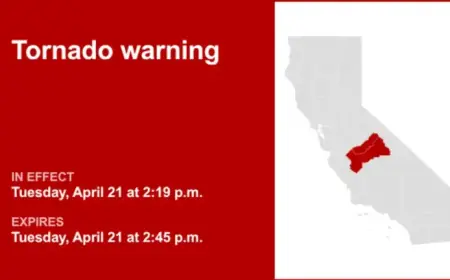
The most alarming development Wednesday broke far from the Gulf. An FBI bulletin distributed to Southern California law enforcement warned that Iran allegedly aspired to launch a surprise drone attack from an unidentified vessel off the U.S. West Coast, specifically targeting unspecified locations in California, in the event the U.S. struck Iran.
Multiple U.S. and California law enforcement officials told CBS News there is no known specific threat underpinning the memo, which was issued a week ago. One federal official called the warning "not actionable." Another described it as "unverified," noting no information exists on timing, source, method, or target.
The bulletin's timing created immediate complications. Security around the 98th Academy Awards at the Dolby Theatre in Hollywood — set for Sunday, March 15 — was described as "tight and ready," with the L.A. County Sheriff's Department increasing patrols around places of worship, cultural institutions, and prominent locations across the county.
A senior law enforcement official said the 12-day bombardment of Iran is believed to have severely degraded Tehran's capability to carry out such an attack.
California Governor Gavin Newsom said his state was "prepared for any emergency" while confirming no imminent threat had been identified. The UN Security Council voted Wednesday on a Gulf Cooperation Council resolution demanding Iran halt attacks on Arab neighbors. The result of that vote has not yet been confirmed.