
























National Park Fees Increase and Regulations Change for 2026

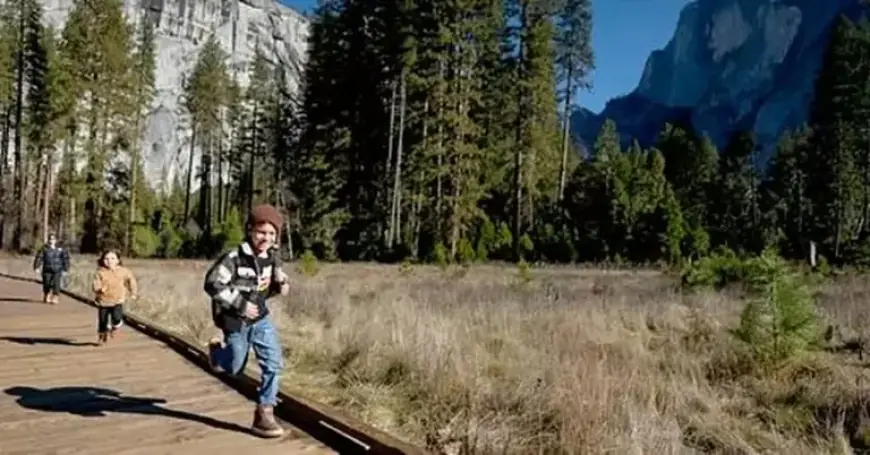
Significant changes are on the horizon for the national parks in 2026. The National Park Service (NPS) has announced a new fee structure that will apply to visitors based on residency. This new system aims to balance accessibility for U.S. citizens with a sustainable funding model for park maintenance.
New Fee Structure for National Parks
Starting January 1, 2026, national parks will implement a two-tiered entrance fee system. U.S. residents and citizens will benefit from lower fees, while nonresidents will incur higher charges. To qualify for reduced rates, visitors will need to show a valid photo ID proving their U.S. residency or citizenship.
Important Fee-Free Days
In addition, the NPS will designate ten specific days in 2026 for fee-free access to all 63 national parks. However, these days will only be available to U.S. citizens and residents. Nonresident visitors will still be required to pay the standard entrance fees. The fee-free days are scheduled as follows:
- February 16 (Presidents Day)
- May 25 (Memorial Day)
- June 14 (Flag Day)
- July 3–5 (Independence Day weekend)
- August 25 (NPS 110th birthday)
- September 17 (Constitution Day)
- October 27 (Theodore Roosevelt’s birthday)
- November 11 (Veterans Day)
Notably, previous fee-free days such as Martin Luther King Jr. Day and Juneteenth have been omitted from this new list.
Comparative Fee Rates
As part of the updated rules, an annual pass for U.S. residents will cost $80. In contrast, nonresidents will face a fee of $250 for the same annual pass. Day entrance fees for nonresidents will include an additional charge of $100 on top of the regular admission costs, which typically range from $20 to $35.
Visitor Experience & Verification Process
The NPS plans to implement a verification process to confirm residency at entry points. This will involve NPS staff asking how many visitors in a group are non-U.S. citizens or residents. However, officials assure that these inquiries are solely for fee eligibility and do not involve checking immigration status.
Acceptable forms of identification include U.S. passports, state-issued IDs, or permanent residency cards. Individuals without a qualifying ID will need to purchase the higher-priced nonresident pass.
Travel Considerations in 2026
Travelers planning to visit national parks in 2026 should prepare for a more complex entry process. With longer verification lines, early arrival is recommended, and many parks may also require timed reservations. Some of these reservations may come with processing fees and can fill up quickly.
International visitors should anticipate higher costs for visiting multiple parks. The new fee structure may add financial pressure, while the verification process could increase wait times at park entrances.
Off-Season Travel Advice
Winter visits can provide a different experience, but they also carry challenges. Limited services and potential road closures due to snow can complicate trips. It is wise for travelers to create flexible itineraries and consider backup plans.
Looking Ahead in National Parks
Despite the changes, the national parks remain sites of discovery and natural beauty. In early 2026, significant fossil finds were reported at a major site across Colorado and Utah, illustrating the ongoing scientific importance of these protected areas.
Travelers interested in avoiding crowds might explore lesser-known national parks or recreational sites. Combining visits to smaller parks can enhance the experience while maximizing both enjoyment and value. As the NPS adapts to these new regulations, careful planning and flexibility will be essential for making the most of adventures in America’s treasured national parks.