Ruben Loftus-Cheek and Wilfred Ndidi: January midfield market heats up around two proven ball-winners

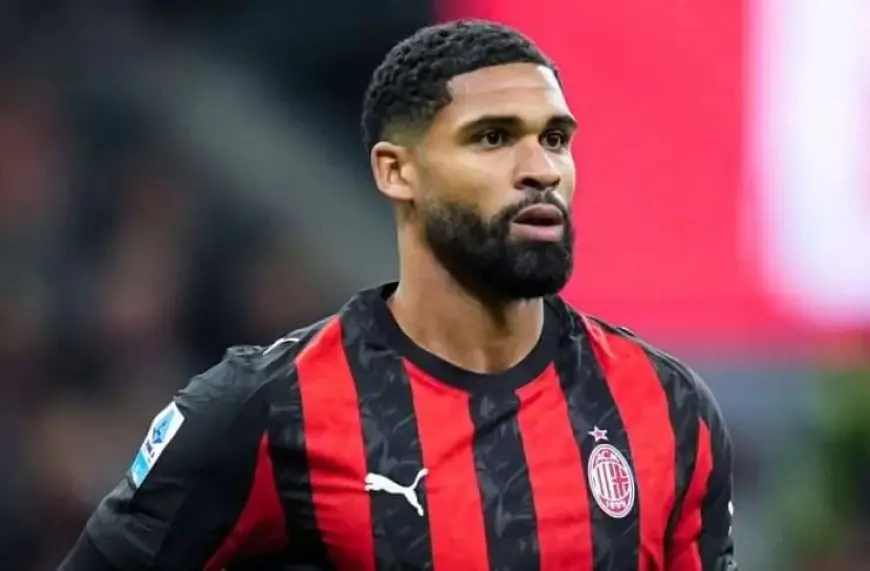
Ruben Loftus-Cheek and Wilfred Ndidi are being discussed in the same breath this week for a simple reason: January windows often swing on midfield availability, and both players sit in a sweet spot of experience, versatility, and “plug-and-play” reliability. As clubs chase short-term stability and longer-term value, the attention around Loftus-Cheek and Ndidi has sharpened, with talk centring on potential moves, loan-style solutions, and how each could shift a team’s balance immediately.
What makes this moment interesting is that the two names represent different problems to solve. Loftus-Cheek is a high-ceiling, carry-and-combine midfielder whose physical profile can change the tempo of a side. Ndidi is a specialist disruptor with leadership credentials, the kind of player who makes a defence breathe easier by winning second balls and breaking patterns before they become chances.
Ruben Loftus-Cheek: why clubs keep circling, even when his season has been stop-start
Loftus-Cheek’s appeal hasn’t changed: he can cover ground, drive through pressure, and operate in multiple roles across midfield. In a window where many clubs want “one signing that fixes two positions,” that flexibility matters. The recent noise around him has focused on whether a Premier League return could happen on a short-term basis, with multiple English sides weighing midfield reinforcements.
The key tension is availability. Loftus-Cheek has dealt with intermittent fitness issues over the past year, and even minor setbacks can cool a January move because clubs want certainty for the second half of the season. If he’s seen as fully ready, interest intensifies quickly; if there’s doubt, the conversation usually shifts from purchase to loan, or from “starter” to “rotation with upside.”
Tactically, Loftus-Cheek fits best in systems that either:
-
use a powerful No. 8 to break lines and arrive in the box, or
-
need a right-sided midfielder who can shuttle, press, and carry in transition.
He is less of a pure tempo controller and more of a momentum generator. That distinction matters for recruiters: he raises a team’s physical level and threat on the dribble, but he’s not the classic deep-lying passer who dictates every phase.
Loftus-Cheek transfer talk: what a realistic January deal looks like
A practical January pathway for Loftus-Cheek usually comes down to three factors:
-
Squad registration and role clarity
If a club can offer him consistent minutes in a defined role, a short-term deal becomes more attractive for both sides. If the plan is vague—“we’ll see where you fit”—the move becomes riskier. -
Medical confidence
Clubs don’t need a player to be indestructible, but they do need a credible runway: “available now, manageable workload, clear plan.” Any lingering uncertainty pushes negotiations into safer structures like loans with performance triggers. -
Financial shape
Mid-season deals often require creativity—shared wages, conditional fees, or an option rather than an obligation. Loftus-Cheek’s profile suits that kind of structure.
If movement happens, it’s likely to be framed as immediate depth with the potential to become a core piece if form and fitness align.
Wilfred Ndidi: leadership, ball-winning, and a profile that travels well
Ndidi’s recent headlines have been driven by two overlapping themes: his status as a midfield leader at club level and renewed interest from bigger leagues looking for a ready-made defensive midfielder. He’s the kind of player who can stabilise a team in a hurry—screen the back line, win duels, and keep opponents from setting rhythm.
There has also been fresh chatter about his availability around international commitments and fitness management in recent days. Even when details are still settling, the broader point stands: if a top midfielder’s availability is uncertain, clubs start planning contingencies—and that can accelerate transfer conversations fast.
What Ndidi offers is clarity. Coaches know what they’re getting:
-
high-volume ball recoveries
-
strong positioning in defensive transitions
-
the ability to sit as a lone pivot or as the more defensive half of a double pivot
-
leadership in organising the team’s rest-defence shape
In a season where many teams are conceding more chances in transition, that toolkit is in constant demand.
Ndidi transfer speculation: why “loan-plus” makes sense for January
For Ndidi, a January move—if it materialises—would likely be driven by immediate need rather than long-term project thinking. Defensive midfield is one of the hardest roles to recruit mid-season because it relies on chemistry: timing, distances, and shared understanding with centre-backs.
That’s why the most believable January structure is the one clubs keep returning to in these situations:
-
a short-term deal that protects the buying club if adaptation is slower than expected, and
-
clear performance conditions that turn the move permanent if the fit is obvious.
Ndidi’s advantage is that adaptation tends to be simpler for specialist ball-winners than for creative midfielders. The role is more repeatable across leagues: win it, protect space, play the simple next pass, reset.
Loftus-Cheek vs Ndidi: two solutions to two different midfield problems
If your team can’t progress the ball and lacks power between the lines, Loftus-Cheek is the name that makes sense. If your team is getting cut open in transition or losing midfield duels, Ndidi is the profile that can change results quickly.
A simplified view of what each brings:
-
Ruben Loftus-Cheek: carrying, physical pressure release, box-to-box impact, role flexibility
-
Wilfred Ndidi: defensive security, duel dominance, screening, leadership structure
The next few days should reveal whether this week’s talk turns into concrete movement or stays as contingency planning. January often works like that: one injury, one suspension run, or one bad result, and a “maybe” becomes a midnight phone call.