

























Villain in The Bone Temple Turns Existential Survival into Bland Reality

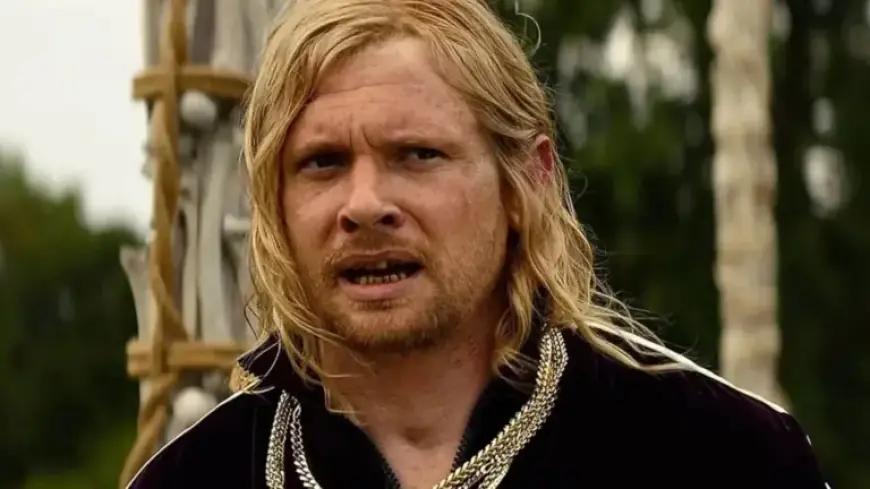
The latest installment in the post-apocalyptic series, 28 Years Later: The Bone Temple, introduces a new antagonist, Sir Lord Jimmy Crystal, played by Jack O’Connell. This character emerges in a shocking cliffhanger from the previous film, continuing a story that intertwines cult dynamics and the darker aspects of society.
Jimmy Crystal: A Complex Villain?
Sir Jimmy is presented in an outfit that holds significant cultural references, specifically alluding to the infamous British figure Jimmy Savile. Yet, the film fails to explore the depth of this symbolism, leaving audiences dissatisfied. Disconnected from the profound implications of Savile’s legacy, the film minimizes the opportunity to reflect on social complicity related to such figures.
Plot Overview
The Bone Temple begins with a violent duel, where a character named Spike, played by Alfie Williams, fights for acceptance within Jimmy’s cult. Despite his initial triumph, Spike’s role diminishes as the narrative shifts focus to Jimmy and his group, known as the “Fingers.”
- Opening Scene: Spike engages in a life-or-death battle.
- Character Dynamics: Spike becomes a secondary perspective, leading to stagnant character development.
- Sir Jimmy’s Regime: The film critiques the cult’s violent practices, questioning the ethical implications of survival in a lawless world.
Missed Opportunities for Depth
The Bone Temple teases several intriguing questions regarding the nature of evil and societal complicity, particularly in the context of historical figures like Savile. However, instead of diving into these themes, the film opts for a more conventional portrayal of a sadistic leader.
Jimmy’s backstory reveals trauma linked to his father and the outbreak of the Rage Virus. Yet, his character development remains one-dimensional, relying heavily on familiar tropes of post-apocalyptic cinema.
Comparative Analysis
In contrast to other villainous characters, such as Remmick from Sinners, Jimmy lacks complexity. Remmick’s sinister nature is juxtaposed with his friendly demeanor, creating a chilling dynamic. Sir Jimmy, however, reveals his brutality upfront, failing to captivate the audience with any moral ambiguity.
Overall Reception
The film’s handling of violence and cult dynamics ultimately leads to a lack of resonance. The contrasting cultural references present an opportunity to critique societal values, but The Bone Temple avoids grappling with these heavier themes. As a result, what could have been a thought-provoking exploration of survival devolves into a straightforward narrative.
28 Years Later was significant for its existential reflections on society, but The Bone Temple navigates away from that legacy. By rejecting the depth of its implications, it creates a bland reality for both its characters and the audience, ultimately diminishing its impact on the franchise.