USGS Earthquake Alert: What Happened With the Columbia SC Earthquake and How to Get USGS Earthquakes Notifications

A small earthquake near Columbia, South Carolina, was confirmed by the U.S. Geological Survey early Tuesday, January 20, 2026, with the epicenter just outside the metro area near Elgin. While the magnitude was modest, it was shallow enough that many people across the Midlands reported feeling a quick jolt, light shaking, or a brief rumble—prompting a wave of searches for “USGS earthquake alert” and “USGS earthquakes” in the region.
For most residents, the main questions are straightforward: where exactly was it, how big was it, why is the Midlands seeing these tremors, and how can you receive reliable notifications the next time it happens?
USGS earthquakes: the basics of the Columbia SC earthquake
USGS listings show the event as a magnitude 2.2 earthquake located about 4 km (roughly 2.5 miles) east-southeast of Elgin, South Carolina—within the broader Columbia-area footprint. The origin time was 11:33 UTC, which corresponds to about 6:33 a.m. local time in South Carolina on January 20. The reported depth was extremely shallow (effectively near the surface in the catalog entry), which is one reason a smaller quake can still be felt by a lot of people close to the epicenter.
-
The earthquake occurred early January 20, 2026, and was recorded near Elgin, outside the Columbia SC area.
-
The listed magnitude was 2.2, which is typically strong enough to be felt nearby but rarely causes damage.
-
A very shallow depth increases the chance of noticeable shaking close to the epicenter.
-
Many residents submitted “felt it” reports soon after the tremor, helping refine the shaking footprint.
-
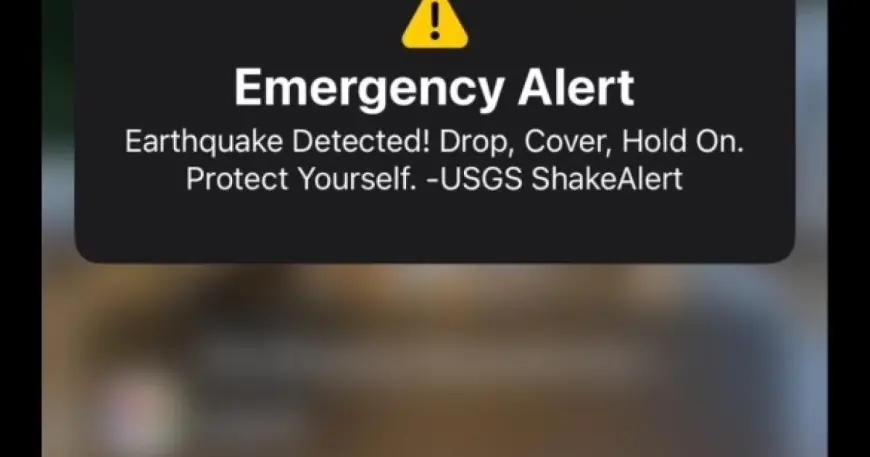
USGS notifications are available as automated alerts, but they are not the same thing as real-time “seconds-before” early warning in South Carolina.
Why a small quake can feel big in Columbia SC
Magnitude tells you the energy released; “what you feel” depends on distance, depth, local geology, and building type. In the Midlands, some neighborhoods sit on sediments that can amplify shaking compared with nearby firmer ground. Add a very shallow source and an early-morning quiet period, and a brief shake can seem louder and more dramatic than the number suggests.
People commonly describe a magnitude-2-range quake as:
-
A sharp thump or bump (like a heavy truck hit the road)
-
A low rumble lasting a second or two
-
A quick rattle of windows or dishes
If you felt it, it doesn’t automatically mean the quake was “bigger than reported.” It usually means you were close enough, and conditions were right for the motion to carry into your home.
A useful historical note: South Carolina is not earthquake-free. The state has a long seismic record, including major historic activity near the coast and recurring clusters of smaller earthquakes inland. In recent years, the Elgin–Midlands area has repeatedly produced small tremors that draw attention because they are close to populated communities.
Earthquake alert options: how to get USGS earthquake notifications
If you want a dependable “earthquake alert” tied to official USGS earthquake data, the most direct tool is the USGS Earthquake Notification Service. It lets you set custom triggers—such as “any quake within X miles of Columbia” or “only earthquakes above magnitude 3.0 in South Carolina”—and then sends automated notifications.
How to set it up (simple, practical approach):
-
Create a notification profile for your area (Columbia/Elgin/Midlands radius).
-
Choose the minimum magnitude you care about (many people pick 2.0 or 2.5 locally).
-
Select delivery options (email and/or text, depending on availability and settings).
-
Add a second rule for “larger earthquakes anywhere” if you travel or have family elsewhere.
Important clarity: South Carolina does not have the same public earthquake early warning coverage that exists on the U.S. West Coast. In other words, USGS notifications for Columbia-area quakes are typically “after detection” alerts (useful for awareness and documentation), not a guaranteed heads-up before shaking starts.
What to do if you feel another quake in the Midlands
Most small earthquakes don’t require emergency action, but it helps to follow a consistent checklist:
-
If you’re indoors and shaking is noticeable, drop low, cover, and hold on until it stops.
-
Afterward, check for obvious hazards (gas smell, broken glass, unstable items).
-
If you have medical devices or mobility needs, make sure pathways are clear and phones are charged.
-
Submit a “felt it” report to help map shaking intensity—this is how officials learn what residents actually experienced beyond the instruments.
Quick FAQ: USGS earthquakes and Columbia SC
Was there really an earthquake in Columbia SC?
USGS recorded an earthquake near Elgin, within the Columbia-area region, early January 20, 2026, and many residents reported feeling it.
Why do I see different magnitudes online?
Early estimates can shift slightly as more data arrives, and some apps display preliminary numbers. The reviewed USGS listing is the best reference point.
Will there be aftershocks?
Small follow-on tremors are possible, but many events of this size have none that people notice. If they occur, they are usually small and localized.
The next thing to watch is the updated event detail page over the following day or two: USGS may refine the location, depth, and community-reported shaking map as more data is processed. If the Midlands pattern continues, having USGS Earthquake Notification Service alerts set to your preferred radius and magnitude threshold is the most reliable way to stay informed without chasing rumors every time the ground gives a quick morning jolt.