American Prairie Bison Grazing Permits: Federal Move to Revoke Authorizations Sets New Test for Public-Lands Rules in Montana

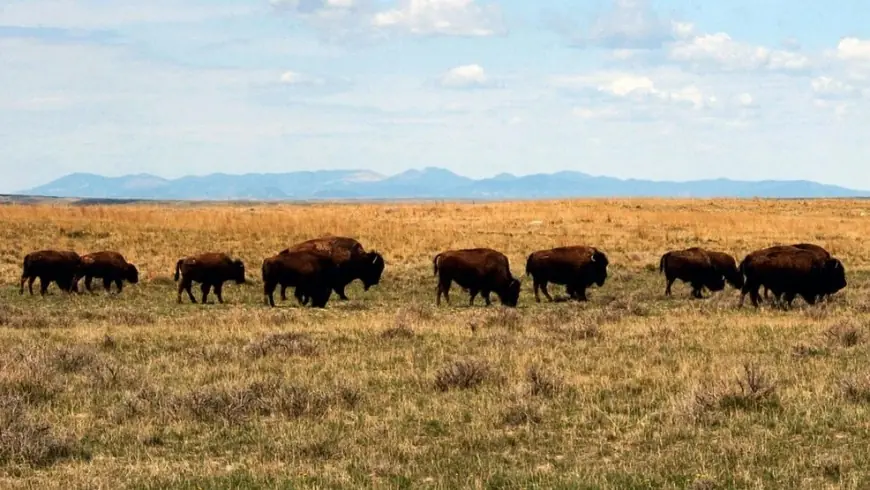
A major shift in American Prairie’s bison program is underway after federal land managers moved to revoke grazing authorizations the conservation group has relied on for its bison herd in northeastern Montana. The decision targets permits tied to federal allotments in Phillips County that had been used in recent years to support bison grazing alongside the organization’s private holdings. For ranchers who depend on public-land grazing, the move is being treated as a reset to cattle-first norms; for conservation groups, it raises alarms about whether long-running permit processes can be reversed after approvals have already been granted.
The dispute matters now because it sits at the intersection of three hot-button issues: what counts as “domestic” livestock on federal range, whether conservation grazing fits the legal intent of public-land programs, and how predictable federal land management will be when administrations change.
American Prairie bison grazing permits: What changed and why it’s happening
Federal officials have moved to cancel or revoke grazing permits that allowed American Prairie’s bison to use specific Bureau of Land Management allotments. The rationale centers on how the federal government interprets public-land grazing laws and the purpose of those authorizations. The key argument driving the revocation is that federal grazing programs were designed for domestic animals raised for production-oriented purposes—language that critics of the bison permits say excludes conservation herds managed primarily for ecosystem restoration.
American Prairie has treated its bison program as a core tool for restoring native prairie ecology, emphasizing grassland health, biodiversity, and habitat benefits. Opponents have framed the same activity as a misuse of federal grazing systems meant to support working ranches and rural economies.
-
Federal officials moved to revoke grazing permits that had allowed American Prairie to graze bison on certain BLM allotments in Phillips County, Montana.
-
The legal dispute hinges on whether conservation bison qualify under public-lands grazing rules built around domestic, production-focused livestock.
-
Ranching groups and Montana state leaders are celebrating the decision as a return to traditional grazing intent.
-
American Prairie is calling the move arbitrary and destabilizing for anyone who relies on predictable permit decisions.
-
The next phase is likely administrative appeals and/or litigation, with bison logistics and timing becoming immediate operational pressure points.
The practical impact: What revocation means for bison on the ground
Permit changes aren’t abstract for a herd measured in the hundreds. If authorizations are pulled, the organization has to adjust quickly: reduce herd distribution, shift animals to private parcels, renegotiate access, or change stocking plans. Even when bison are fenced and managed like livestock, moving large animals is complex—requiring staff, equipment, veterinary considerations, and careful planning to avoid stress and injury.
There’s also the calendar problem. Winter and early spring can compress safe handling windows, and any delay in clarity can force last-minute decisions that increase costs and risk. If the revocation triggers a hard deadline for removing bison from specific allotments, the organization’s ability to maintain herd health and pasture rotation becomes a near-term concern.
Why ranchers are calling it a “public lands” win
For Montana public-lands ranchers, the revocation is being framed as a precedent-setting statement: federal grazing allotments are intended to support production livestock and established permit traditions. Many ranchers worry that allowing conservation bison on public allotments opens the door to broader redefinitions of grazing use, competition for forage, and regulatory complications around fencing, disease management, and responsibility when animals move.
Supporters of the revocation also see this as a signal that the federal government is willing to revisit decisions made in recent years that expanded what grazing permits can be used for—especially when those decisions became politically charged.
American Prairie’s argument: Predictability and fairness in permit decisions
American Prairie’s core objection is about process and consistency. The group argues that it followed the permitting pathway available, operated under approvals, and managed bison as a contained, monitored herd. From this perspective, reversing prior authorizations without new environmental impacts or new information undermines trust in public-land decision-making for all users—not just conservation nonprofits.
That framing is broader than a single bison herd. If permit decisions can be revisited and reversed after lengthy review, any permit holder—ranching or conservation—could face higher uncertainty, greater legal costs, and difficulty planning multi-year operations.
Historical context: Conflicts over public-land grazing have long flared when new uses collide with established expectations—whether that’s changes in stocking rates, wildlife protections, drought restrictions, or shifts in how agencies interpret decades-old statutes. What makes the American Prairie fight distinctive is that it pushes on the definition of “livestock use” itself, not just the conditions of use.
The wider ripple: Bison classification and the “wildlife vs. livestock” anxiety
Even though the immediate fight is about federal allotments, the debate touches a sensitive issue across the region: how bison are classified and regulated. Many bison operations depend on bison being treated as livestock for purposes of fencing, transport, and commerce. When public disputes frame bison as something fundamentally different—wildlife rather than domestic livestock—producers worry about unintended spillover into state policy fights, permitting rules, and even the legality of certain bison-ranch practices in neighboring states.
This is one reason the controversy draws attention beyond Phillips County: the outcome could influence how agencies think about bison grazing requests elsewhere, including future applications by conservation groups or private operators.
What happens next: Deadlines, appeals, and the signals to watch
The next steps will likely unfold on two tracks: administrative process and on-the-ground management. American Prairie can pursue appeals within federal channels, and court challenges are possible if the organization argues the decision is inconsistent with prior findings or procedural requirements. Meanwhile, land managers and permit stakeholders will be watching whether bison are ordered off allotments on a defined timeline and what exceptions, if any, are allowed during appeal.
To gauge where this is headed, watch for three signals: whether federal officials set firm removal deadlines; whether any interim allowances are granted while appeals play out; and whether lawmakers move to clarify the “production purpose” language that’s driving the dispute. Even if the immediate outcome is confined to one corner of Montana, the precedent could shape how bison—and conservation grazing more broadly—fit into the future of public-land permitting.