Did Iran Surrender as Trump Signals Escalation and Tehran Vows Resistance

did iran surrender is the question on many minds as the US-Israeli campaign against Iran moves into a second week, with the US president signalling stepped-up action and Iranian authorities vowing never to surrender. The unfolding exchange is driving evacuations and renewed diplomatic friction in allied capitals.
Did Iran Surrender? Trump signals escalation
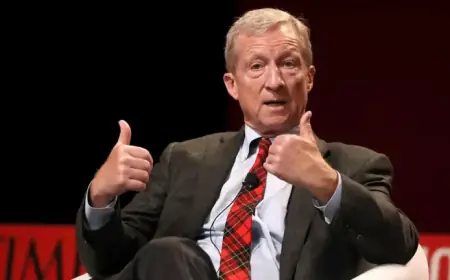
The US president has framed the campaign as a sweeping effort and described recent operations as a major success, saying strikes have heavily damaged Iran’s navy, air force and communications infrastructure. He asserted that the campaign’s progress was past measures of success, using a scale that reflected strong confidence in the results so far. He has also indicated further, “very hard” strikes and expanded operations.
did iran surrender: Tehran vows never to yield
Iranian authorities have publicly rejected surrender and described the strikes they have endured as part of an intensifying conflict. Government statements noted high civilian and military tolls from the US-Israeli operations, and Iranian officials have presented casualty tallies that put the death toll from the attacks at more than 1, 330 people so far.
Evacuations, casualties and military claims
The US State Department says roughly 28, 000 US citizens have safely returned to the United States from countries in the Middle East since strikes began on February 28. The department also detailed charter flights and evacuations that have moved thousands more from the region, and it noted that some Americans remain in transit.
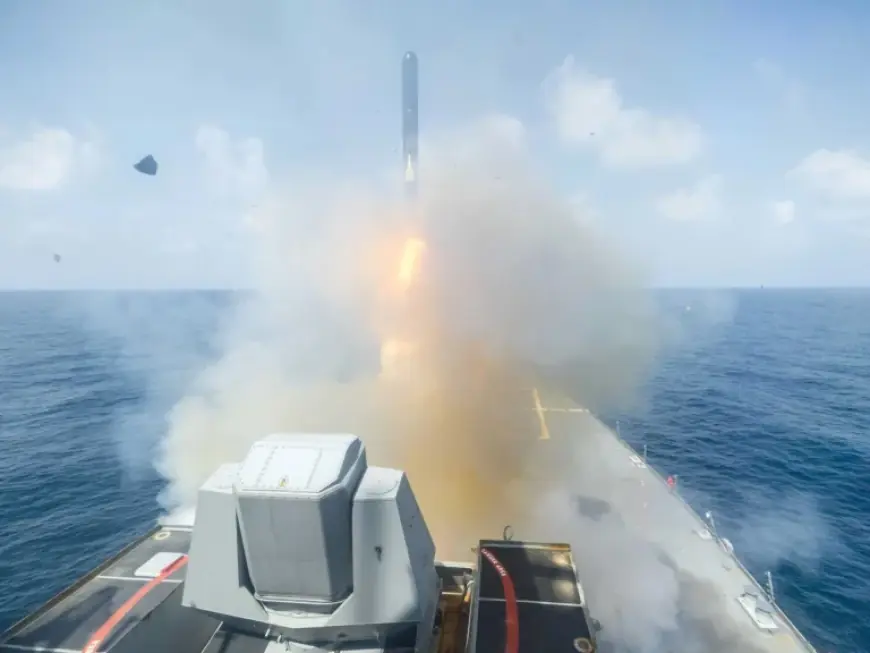
On the battlefield claims, the US president said US forces had destroyed 42 Iranian naval vessels in recent days and had knocked out significant elements of Iran’s air power and telecommunications systems. He also said prior strikes targeted facilities linked to Iran’s nuclear programme and that those facilities had been close to producing a nuclear weapon before the operations.
What comes next and immediate schedule
The US president is expected to travel later to Dover Air Force Base for the dignified transfer of six US service members killed in the conflict so far, an event that underscores the human cost highlighted across multiple statements. He has been delivering remarks from Florida while meeting foreign leaders and has stressed that the campaign is intended to have global benefits beyond the Middle East.
Political friction has emerged in allied countries: a British member of parliament accused her government of involvement after claiming that American B-1 bombers had been landing on British soil before flying missions, a charge leveled alongside criticism of the prime minister’s public position that the UK was not at war. The UK’s leadership has said base use would be limited to defensive strikes on missile sites.
Analysis and forward look: Observable indicators in public statements and operational claims point to continued pressure from the US side — explicit counts of damaged vessels and air capabilities and an ongoing evacuation effort are concrete signals. If those operational claims and the diplomatic stances held by allies remain unchanged, the near-term environment is likely to feature continued military operations and heightened diplomatic activity. Uncertainties remain about battlefield developments and future targets; those details were not made public and are unclear at this time.