Trump’s War-Driven Oil Hike Spurs Canadian Living Cost Surge

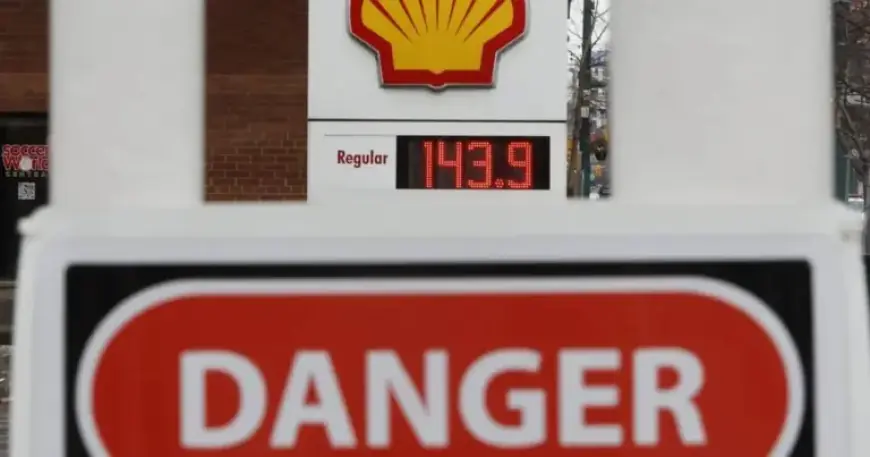
The rise in oil prices, driven by geopolitical tensions involving the United States, has led to a noticeable increase in the cost of living across Canada. This situation is significantly affecting Canadian households, particularly in regions that rely heavily on oil imports.
Impact of Trump’s Policies on Oil Prices
Recent decisions by the U.S. government under former President Donald Trump have influenced global oil markets. Sanctions and trade policies aimed at various countries have contributed to volatility in oil prices. As a result, Canada, which is closely linked to U.S. oil dynamics, is experiencing a surge in living costs.
Regions Affected by Rising Costs
- British Columbia
- Alberta
- Ontario
- Quebec
Each of these provinces has reported increases in fuel prices, which have a ripple effect on transportation and other essential goods. This rise in costs can strain household budgets, prompting various government discussions around potential subsidies or relief measures.
Statistics and Economic Outlook
Recent economic data indicate that the inflation rate in Canada has reached new highs, correlating with the spike in oil prices. Analysts forecast further increases if the global oil market remains unstable.
| Province | Average Fuel Price (CAD per liter) | Estimated Increase in Living Costs (%) |
|---|---|---|
| British Columbia | 1.65 | 8.5 |
| Alberta | 1.60 | 7.2 |
| Ontario | 1.70 | 9.1 |
| Quebec | 1.68 | 8.8 |
The overall economic environment remains challenging for many Canadians. Efforts to stabilize living costs are ongoing, with government officials monitoring the situation closely.
Conclusion
The combination of Trump’s policies and the resulting oil price hikes has spurred significant changes in the Canadian economic landscape. As living costs rise, communities and government agencies are working to navigate these challenges effectively.