Is Netanyahu Alive as U.S.-Israeli Operation Kills Iran’s Supreme Leader and Expands Across the Region

On day two of a U. S. -Israeli military operation against Iran, strikes have swept across Tehran and spread to neighboring fronts, producing civilian disruption and regional military responses. Amid the broadening conflict and the killing of Iran’s supreme leader, one question now being raised is is netanyahu alive.
Is Netanyahu Alive: Tehran neighborhoods, hospitals and daily life under fire
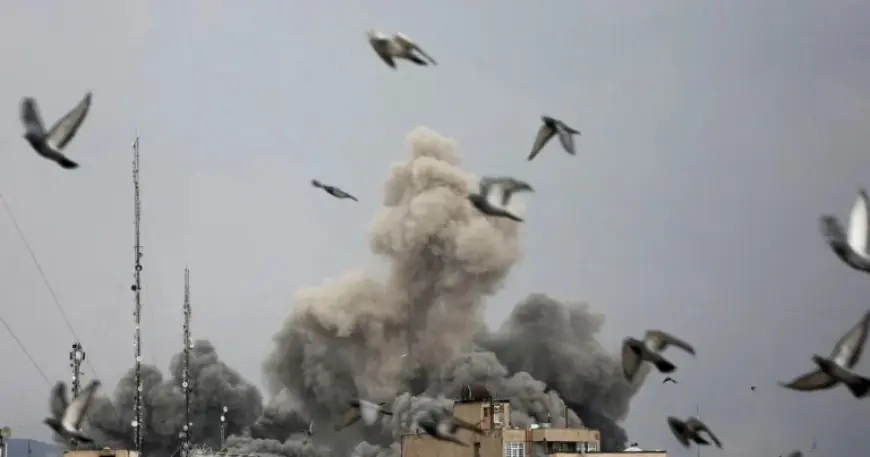
Tehran has been smothered in smoke as strikes struck multiple parts of the city, a pattern that has left neighborhoods damaged and civilians displaced. Military and police installations have been targeted, but many of those facilities sit close to residential blocks; a police station at Niloofar Square was described as having been reduced to powder, and surrounding apartment buildings were damaged. In one instance a bomb blast shattered windows in neighborhoods near Saadabad Palace and Tajrish.
The human effects are tangible and specific: a relative was stuck in traffic for eight hours trying to travel just over 10 miles outside the city to reach a 97-year-old mother who is ill. A friend who adopted a six-week-old puppy said she cannot safely move with the animal after strikes hit her area. A hospital in northwest Tehran filled with wounded people that included ordinary civilians and members of the Basij, the volunteer militia branch of the Islamic Revolutionary Guard Corps. During last year’s 12-day war many people had acclimated to tension; residents say this feels different.
What makes this notable is the way military targeting of security sites has rippled into civilian life, turning routine travel and simple caregiving tasks into prolonged, perilous ordeals.
President Donald Trump, the killing of Ayatollah Ali Khamenei and widening regional effects
U. S. President Donald Trump said the military operations were likely to last four to five weeks and that he was prepared to continue longer. The killing of Iran’s supreme leader, Ayatollah Ali Khamenei, and the intense scope of strikes have been cited as drivers for a conflict that shows little sign of a quick exit plan.
The wider consequences are already measurable. The campaign has rippled across the Middle East: Israeli strikes hit Beirut after exchanges with Hezbollah and safe havens such as Dubai have come under fire. A Saudi oil facility at Ras Tanura experienced a drone attack; defenses intercepted incoming aircraft, a military spokesman said. Three American fighter jets were mistakenly downed by friendly Kuwaiti fire during an Iranian air assault, the U. S. military said. These actions have contributed to market turmoil — oil prices surged — and left hundreds of thousands of airline passengers stranded globally.
The U. S. military presence supporting the operation is visible in imagery from U. S. Central Command showing carrier-based jets preparing operations in support of what has been named Operation Epic Fury. U. S. allies have pledged assistance to intercept Iranian missiles and drones, an effort aimed at limiting further escalation and protecting shipping and regional airspace.
Immediate cause and effect: strikes, retaliation and civilian consequences
The causal chain in the current phase is clear: the launch of a joint U. S. -Israeli campaign and ensuing strikes produced both targeted military damage and collateral harm to nearby civilian areas, which in turn has driven displacement, hospital admissions and prolonged travel times for ordinary residents. The killing of Iran’s supreme leader has intensified military responses and widened the geographic scope of attacks, prompting allied defenses and contributing to misfires such as the downing of American jets by Kuwaiti fire.
The broader implication is that a campaign framed as a concentrated military operation has already extended into multiple theaters, affecting civilian life, regional energy infrastructure and global travel. Questions about leadership and security—captured in the stark query is netanyahu alive—underscore the uncertainty sweeping the region as the operation moves beyond its opening days.