Iran Surrender rhetoric persists as tanker strike and UN peacekeeper injuries deepen regional tensions

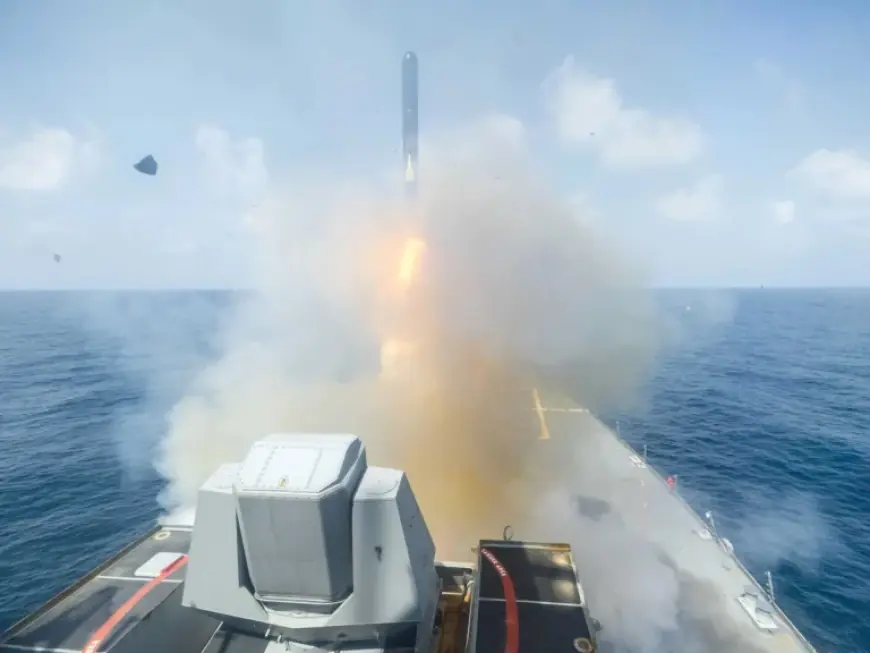
The US‑Israeli war against Iran entered its second week as Tehran reiterated that it will not yield, and the phrase “iran surrender” has surfaced repeatedly in public statements and headlines. The conflict’s spread to commercial shipping lanes and UN peacekeeping positions has prompted maritime investigations and diplomatic warnings at a time when officials are urging restraint.
Louise P attack and Gulf maritime incidents
Iran’s Islamic Revolutionary Guards Corps said its forces struck the Marshall Islands‑flagged oil tanker Louise P in the Gulf, saying the vessel was hit by a drone in the middle of the Persian Gulf on the IRGC’s website, Sepah News. That claim came as the British Maritime Safety Organisation, UKMTO, logged a third‑party report of a maritime incident 10 nautical miles north of Jubail city in Saudi Arabia; the report is under investigation.
The sequence of incidents has immediate operational consequences: a claimed drone strike on a named commercial tanker has triggered an active probe by maritime authorities and raised the prospect of wider disruption to Gulf shipping. Shipping lanes and merchant vessels are now subject to closer monitoring and incident reporting, increasing the risk of miscalculation in a busy international waterway.
Iran Surrender messaging, diplomacy and UNIFIL casualties
Tehran’s stated refusal to capitulate sits alongside diplomatic efforts and growing regional alarm. Turkiye’s president, Recep Tayyip Erdogan, spoke by phone with British leader Keir Starmer and emphasized that Ankara’s diplomatic initiatives are ongoing; Erdogan warned that prolonged interventions could cause serious harm to regional and global stability. That appeal for dialogue came as White House messaging over the war has been described within official channels as inconsistent, complicating the international response.
On the ground in southern Lebanon, the Ministry of Foreign Affairs condemned the shelling of the Ghanaian battalion headquarters serving with UNIFIL in the town of Qouzah. The ministry said three peacekeepers were injured, one critically, and were transferred to a hospital in Beirut for treatment. UNIFIL is investigating the circumstances of that overnight attack, and the Lebanese statement called the incident a serious violation of international law.
The cause‑and‑effect pattern is clear: offensive operations and cross‑border strikes have produced immediate security incidents—an alleged tanker strike that has prompted a maritime probe and shelling that wounded UN peacekeepers—each prompting diplomatic responses and calls for restraint from regional capitals.
What makes this notable is the convergence of kinetic escalation and diplomatic urgency within a short time frame: claims of attacks on commercial shipping, a formal maritime report 10 nautical miles north of a Saudi coastal city, and the transfer of wounded UN peacekeepers to Beirut together underscore how quickly battlefield actions can spill into broader regional crises.
As the conflict continues into its second week, the refrain of iran surrender has become a focal point in public messaging even as states such as Turkiye press for conditions that could open channels for dialogue. The interplay of military action, maritime investigation, and diplomatic engagement will shape whether the current cycle of incidents expands or is contained.