Amid Conflicts, Airlines Sustain Australia-Europe Flights

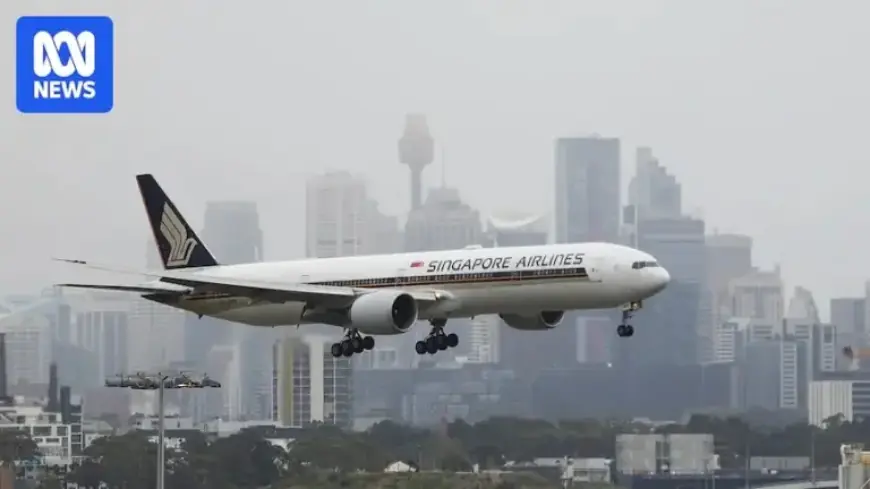
Amid ongoing conflicts in the Middle East, airlines are finding ways to sustain Australia-Europe flights. The recent tensions, especially between Israel, the US, and Iran, have heavily impacted global travel routes, challenging airlines catering to Australians seeking connections to Europe.
Travel Disruptions and Re-routing Strategies
Peter Mousaferiadis, a frequent traveler, recently experienced a chaotic transit through Dubai. He noted the UAE’s impressive defense mechanisms against incoming threats, which provided some reassurance during his transit. However, tens of thousands of Australians found themselves stranded as major Middle Eastern carriers like Emirates, Qatar, and Etihad suspended flights amid growing tensions.
- Australia-Europe travel routes have significantly changed due to airspace closures.
- Middle Eastern airspace over Iran, UAE, Israel, Kuwait, and Qatar is now mostly closed.
- Airlines now route flights primarily through Azerbaijan and Georgia to avoid conflict zones.
Impact on Major Airlines
Justin Brownjohn, an aviation expert from RMIT, warns that even if hostilities cease, normal flight operations might not resume promptly. Airlines such as Qantas, Cathay Pacific, and Singapore Airlines are left to navigate these complex airspace restrictions while catering to increasing demand.
Current routes have been adjusted. Most flights now traverse the Caucasus region. However, a recent incident involving a drone near Azerbaijan temporarily closed its airspace, raising further concerns.
Operational Changes and Additional Costs
Experts like Neil Hansford suggest if the corridor north of Iran closes, airlines could redirect flights south through Egypt. Nevertheless, any formal escalation of the conflict may severely restrict commercial air travel.
While flight tracking may indicate increased activity in these routes, advanced air traffic management systems help mitigate crash risks by routing flights at varying altitudes.
For airlines, such as Qantas, the added distance for certain flights translates into longer travel times and increased fuel consumption. A notable example is the direct Perth to London flight now necessitating a fuel stop in Singapore.
Brownjohn also highlights that airlines may reduce the frequency of flights as a response to these logistical challenges, leading to fewer daily operations in affected corridors.
Future of Australia-Europe Flights
Despite the challenging circumstances, Mousaferiadis remains optimistic about traveling through Dubai in the future. He believes in the UAE’s capability to secure its airspace, which could restore traveler confidence post-crisis.
As the situation unfolds, travelers must remain adaptable, while airlines assess their strategies in response to the shifting aviation landscape.