African Casting Agency Scandal: Exploitation Claims Spark Warnings Over “African Audition” Recruitment Tactics

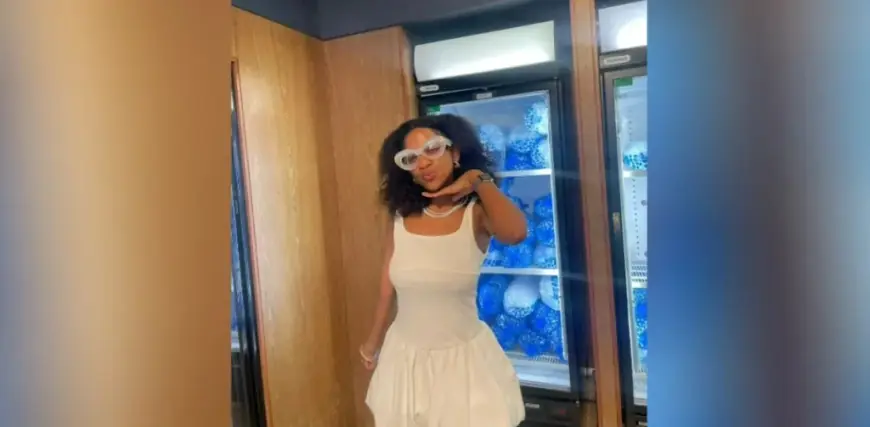
A fast-spreading controversy tied to an “African casting agency” has triggered renewed warnings about fake auditions and predatory recruitment across South Africa and beyond. In recent days, a young woman’s public account has set off a wave of scrutiny over an operation commonly referred to online as “African Audition” or “African Casting,” with allegations that women were lured using the promise of modelling or casting work and then pressured into inappropriate situations.
The story is still developing. Key details are being debated publicly, and official outcomes (such as charges, verified identities, or formal findings) are not yet consistently confirmed in open information. What is clear is that the situation has prompted heightened safety messaging: verify agencies, insist on contracts, and never attend private auditions without safeguards.
What “African Audition” and “African Casting” are accused of doing
The allegations center on a recruitment pattern that looks like a classic casting scam: aspirants are approached online with an offer of work, encouraged to attend an “audition” in conditions that do not match normal industry practice, and then placed in situations that appear designed to exploit them rather than assess talent.
A widely shared account posted on January 15, 2026 describes being misled by a supposed casting setup and later realizing the “audition” was not legitimate. Since then, multiple follow-up posts and commentary have amplified the claims, with growing calls for accountability and for potential victims to seek help.
-
The controversy escalated after a public account shared January 15, 2026 went viral.
-
The operation is referred to online by names including “African Audition” and “African Casting.”
-
Allegations describe deceptive recruitment and coercive behavior inconsistent with legitimate casting.
-
Public warnings have urged people to avoid private auditions and to verify credentials before engaging.
-
Multiple details remain unconfirmed publicly, and the situation may evolve as authorities or platforms respond.
Why this is hitting so hard right now
Casting scams tap into a powerful mix of hope and urgency. Many newcomers are eager for a first break and may not have industry mentors to sanity-check an offer. Predatory schemes often mimic legitimate processes—professional-sounding messages, photo requests, “shortlisted” language—then move quickly to isolate a target.
The emotional intensity of this case is also tied to the reputational damage it can cause: victims can face stigma, while legitimate agencies and casting directors deal with increased suspicion and fear among talent.
How legitimate casting normally works, and the red flags people are being told to watch
Real casting can vary by production, but professional standards are remarkably consistent. When a supposed “agency” breaks multiple norms at once, that’s when people are urged to step back.
Common red flags being highlighted in discussions around the African casting agency scandal include:
-
Auditions in private homes or hotel rooms instead of studios, offices, or clearly identified production spaces
-
No paperwork: no written brief, no production name, no release forms, no contract terms
-
Pressure tactics: “do it now,” “don’t tell anyone,” or threats that refusing means losing the role
-
Requests for explicit material or anything unrelated to the stated role
-
Payment demands for “registration,” “VIP access,” or “guaranteed roles”
-
Vague identity: no verifiable company registration, physical address, or traceable industry credits
If someone is serious about hiring talent, they can provide verifiable identifiers—production details (within confidentiality limits), professional contacts, and standard documentation.
What to do if you’ve interacted with a suspicious “casting agency”
People discussing this case have emphasized practical steps over panic:
-
Stop contact immediately if anything feels off. You don’t owe politeness to a risky situation.
-
Save everything: screenshots, chat logs, emails, payment requests, and any names used.
-
Tell a trusted person right away—someone who can help you think clearly and stay safe.
-
Report the account on the platform where the approach happened.
-
Seek legal advice or victim-support guidance if you believe you were coerced, recorded, or threatened.
If you are in immediate danger, local emergency services are the priority.
A brief historical note matters here: casting scams have surged globally alongside social media recruiting. The “open call” format that once required in-person networks now happens through DMs and links, making it easier for bad actors to imitate a real production pipeline without the usual accountability.
What happens next and what to watch for
The next phase will likely be shaped by three things: whether authorities or regulators issue formal statements, whether major platforms take coordinated action against accounts or sites linked to the alleged operation, and whether legitimate industry groups step in with clearer public guidance on safe audition practices.
For anyone pursuing acting or modelling in 2026, the safest mindset is simple: opportunity should never require secrecy, isolation, or shame. As this story develops, watch for concrete verification—official notices, confirmed identities, and documented enforcement—rather than viral claims alone, and prioritize safety over speed when a “casting agency” offer arrives out of nowhere.