World Baseball Classic 2026 Schedule: Mexico's Pool B Roster Stakes in Houston

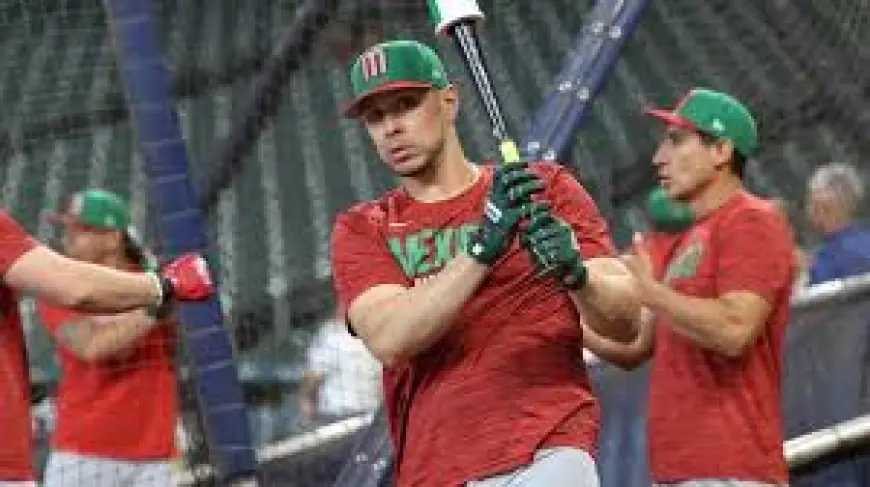
The World Baseball Classic 2026 Schedule places Mexico in Pool B in Houston, Texas, and the roster unveiled for that group combines high-end MLB talent with a less-proven relief corps. How those pieces perform over pool play will determine whether Mexico advances out of what analysts call one of the easier pools and challenges for the later knockout rounds.
World Baseball Classic 2026 Schedule — Mexico’s Pool B roster in Houston
Mexico’s lineup centers on an outfield led by Jarren Duran and Randy Arozarena and a catcher in Alejandro Kirk, creating a top-heavy everyday group built largely from Major League regulars. The projected starting nine includes Rowdy Tellez at designated hitter and Jonathan Aranda at first base, with Luis Urías, Ramón Urias and Joey Ortiz rounding out the infield; Alek Thomas figures to start in center field. Bench depth lists names such as Nacho Alvarez Jr., Jared Serna, Nick Gonzales and Joey Meneses, while Alejandro Osuna and Julian Ornelas are cited as outfield reserves.
On the mound, Mexico counters with three Major League starters: Javier Assad, Taijuan Walker and Taj Bradley. At the back end of the bullpen the staff features closer Andrés Muñoz backed by set-up men Victor Vodnik and Brennan Bernardino. Additional bullpen options include Alex Carrillo and Daniel Duarte. What makes this notable is the contrast: three established starters and a high-end back end paired with a middle relief corps that is largely composed of non‑MLB arms.
Benji Gil, coaching staff and the pitching balance
Benji Gil returns as manager, having led the Mexican program since 2020 for both the Olympics and the World Baseball Classic. The coaching slate also names Vinny Castilla as bench coach—who previously managed Mexico in the 2009 tournament—and a complement of professional instructors: hitting coach Bobby Magallanes, pitching coach Horacio Ramirez, hitting coach Jacob Cruz and former major‑league reliever Elmer Dessens as an additional pitching coach.
The construction of the staff has direct strategic consequences. If the three MLB starters can provide length and limit runs, Mexico can lean on Andrés Muñoz and his two set-up men to close out games; that combination raises the probability of advancing from Pool B either as champion or runner-up. Conversely, if starters falter early, the reliance on largely unproven middle relief arms creates immediate bridge problems—meaning the team could be vulnerable to quick elimination despite its high-end pieces.
Forecasts within the pool frame Mexico as likely the second‑strongest team behind the United States, a positioning that matters because Pool B’s quarterfinal crossover with Pool A offers a realistic path to the semifinals if Mexico navigates the early games. The margin for error will be small: the starters must deliver length and run prevention, and the bullpen will need to convert opportunities to keep the top‑heavy lineup supplied with wins.
Practically, Mexico’s chances hinge on three concrete elements: the effectiveness of its three Major League starters, the performance of the three back‑end relievers in high-leverage spots, and the ability of non‑MLB middle relievers to bridge any innings between them. Those measurable factors will shape how the team fares under the World Baseball Classic 2026 Schedule and determine whether Houston becomes the launching pad for a deeper run.