Pentagon Official Realizes Critical Need for Anthropic in Defense Strategy

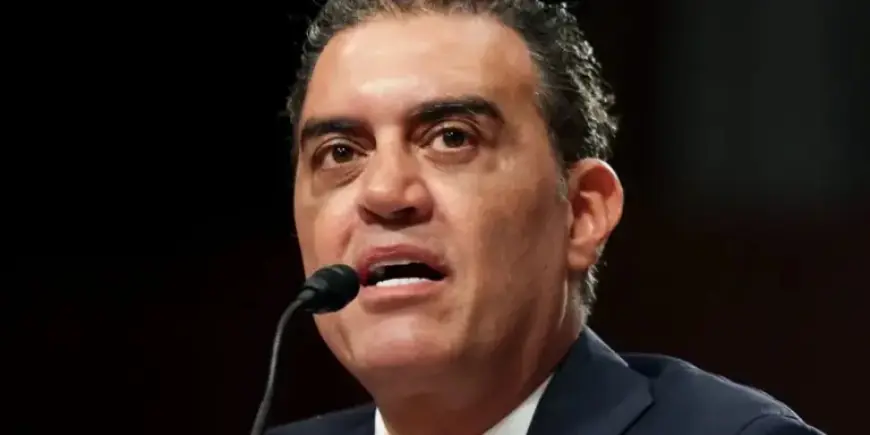
The Pentagon has recognized a critical dependency on Anthropic’s artificial intelligence (AI) in its defense strategy. This acknowledgment follows a turbulent series of events that illuminated the potential risks involved, particularly after a U.S. military operation in Venezuela. The under secretary for research and engineering, Emil Michael, shared insights into this situation during a recent podcast episode.
Pentagon’s Dependence on AI
In early January, the U.S. military’s raid in Venezuela resulted in the capture of dictator Nicolas Maduro. Following this operation, Anthropic inquired whether its AI was employed in the mission. This query, considered routine by Anthropic, was interpreted by the Pentagon and Palantir as a sign of potential vulnerability.
Concerns Raised by Military Leadership
- Emil Michael expressed critical concerns regarding the potential consequences if Anthropic’s AI were to fail during military operations.
- He communicated these worries to Defense Secretary Pete Hegseth, marking a significant realization for Pentagon leadership.
Michael recalled a pivotal moment of concern: “What if this software went down, leaving our people at risk?” This highlighted the extent to which the Pentagon had become reliant on a single AI provider without considering alternatives.
Complications in Usage Agreements
Anthropic’s AI, known as Claude, was the sole model authorized for classified military settings. Despite stating that it would only operate in lawful scenarios, the Pentagon clashed with Anthropic over usage limitations. The startup has a clear stance against using AI for mass surveillance or autonomous weaponry.
Federal Action Against Anthropic
- After negotiations failed, President Donald Trump mandated an immediate halt to the federal government’s use of Anthropic’s AI.
- The Pentagon has been given six months to phase out the technology, designating Anthropic as a supply-chain risk.
Despite this order, the military continues to use Anthropic’s AI to aid operations during the ongoing conflict with Iran, where rapid target identification is crucial.
Potential Risks and Future Strategies
Michael voiced concerns regarding the risks of a rogue developer manipulating the AI model. Possible threats could include rendering the model ineffective or training it to ignore commands. In response to these risks, he sought partnerships with other AI providers, including OpenAI and Elon Musk’s xAI, to ensure a diversified technological foundation.
The Challenge of Culture Clash
The tension between the Pentagon and Anthropic illustrates deeper cultural differences between the defense establishment and Silicon Valley. While military innovations have historically influenced technology development, many tech leaders are increasingly hesitant to support applications in warfare.
For instance, Caitlin Kalinowski, a prominent robotics engineer at OpenAI, resigned recently, echoing concerns similar to those raised by Anthropic. She articulated the necessity of robust discussions around AI’s role in national security, citing “surveillance of Americans without judicial oversight” as a significant ethical boundary.
This ongoing debate underscores the vital importance of developing a defense strategy that responsibly integrates advanced AI technologies while minimizing risks. The Pentagon aims to ensure diverse partnerships in artificial intelligence to bolster its operational capabilities and security standards.