Chris Paul Shines a Light on Highland Park Bowl as He Shifts Focus After Retirement

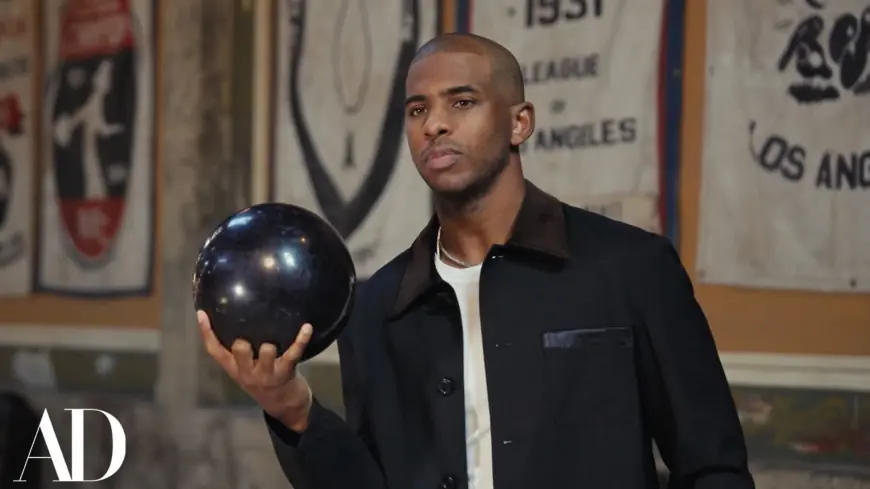
chris paul, who concluded a 21-season NBA career in February, is spotlighting a favorite Los Angeles hangout in a feature for Architectural Digest. The appearance — a nine-minute video in the magazine’s March LA issue — signals a quick pivot from the court to public-facing cultural projects in the same city his family has called home.
Chris Paul on Highland Park Bowl
In the video titled “Paul’s Love Letter to LA, ” chris paul takes viewers inside Highland Park Bowl, describing the historic alley as a touchstone from his childhood. He explains that bowling was a regular pastime for him and his brother growing up, and he praises the venue’s “rawness” and authenticity compared with newer bowling establishments.
The segment connects personal history with place: Paul says he first arrived in Los Angeles in December 2011 and that the city is the only home his children have known. That personal timeline frames the choice of Highland Park Bowl, a Prohibition-era space with roots tied to a local company that combined a pharmacy and a backroom bowling alley as a one-stop operation.
Postseason and Retirement Timeline
Paul’s AD feature arrives weeks after a rapid sequence of roster moves and a retirement announcement. After returning to the Los Angeles Clippers for the 2025–26 season, he appeared in 16 games before a trade to the Toronto Raptors in early February. On Feb. 13, he announced his retirement from the NBA, ending a career that included 12 All-Star selections and 11 All-NBA honors over 21 seasons.
The roster changes and subsequent retirement also had an immediate impact on the Clippers’ season: the team stood at 29–31 and occupied a play-in position following Paul’s departure. Those figures underscore how a single veteran’s exit can alter a club’s competitive picture in measurable ways.
Architectural Digest Feature and Cultural Context
The Architectural Digest piece presents Paul not as a former athlete recounting career highlights, but as a local resident guiding viewers through a landmark of Los Angeles social history. The magazine’s March LA issue includes the nine-minute video in which he reflects on why Highland Park Bowl resonates — both for its ties to his youth and for the preservation of an older form of neighborhood entertainment.
What makes this notable is the way the feature reframes a high-profile athlete’s public role: rather than focusing solely on career statistics, the segment emphasizes urban memory and community spaces, a shift that mirrors Paul’s own transition out of active play. The choice of Highland Park Bowl, with its Prohibition-era backstory tied to a local drug company that combined a pharmacy and a bowling alley, reinforces the intersection of personal narrative and local history.
Paul’s on-camera remarks stress accessibility: he highlights that the bowling alley welcomes everyone and points to a continuity between the era he remembers from childhood and the preserved atmosphere of the Highland Park venue. The video complements his off-court moves by amplifying a civic-minded side of his post-retirement profile.
As Paul moves away from the day-to-day grind of the NBA, his public engagements are already measurable: a featured video in a major design and culture magazine, public conversation about a specific Los Angeles institution, and an implied ongoing presence in the city he and his family have occupied since 2011. For followers of his career, the shift is concrete — from 16 games in a final season to a curated visual tour of a neighborhood landmark.