German Study Reveals Americans Bear Cost of Trump’s Tariffs

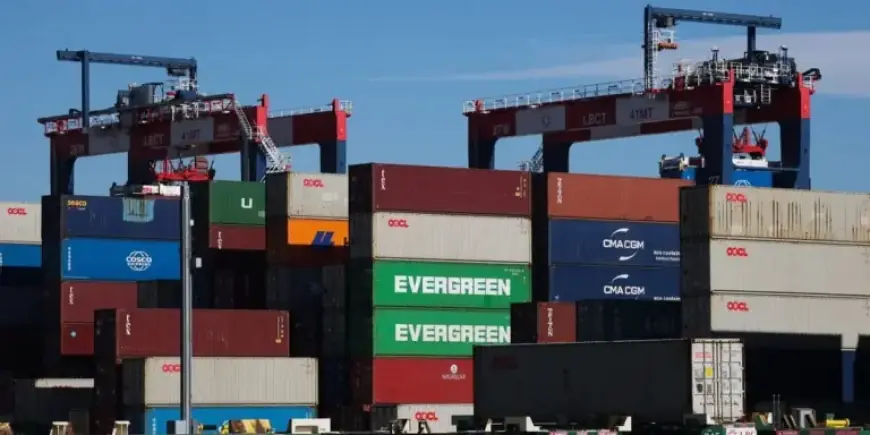
A recent study highlights the financial impact of tariffs imposed during Donald Trump’s presidency, revealing that American consumers have largely shouldered the costs. Published by the Kiel Institute for the World Economy, the research indicates that a staggering 96% of tariff fees have been paid by US buyers, while only 4% was borne by foreign exporters.
Key Findings of the Study
The study, released on a Monday, reviewed over 25 million shipment records valued at nearly $4 trillion from January 2024 to November 2025. Researchers noted a “near-complete pass-through” of tariffs, meaning that US import prices tend to rise in direct correlation with tariff increases.
Tariff Burden on Americans
- 96% of tariff costs borne by American buyers
- $200 billion raised in customs revenue in 2025
- Trade volumes significantly contracted due to tariffs
This research counters President Trump’s assertion that tariff costs would primarily affect foreign exporters. Instead, it confirms that American companies, including importers and wholesalers, initially face the tariff costs, impacting manufacturers and retailers next. The end result is a price increase for consumers on both imported goods and domestically produced items relying on foreign materials.
Broader Economic Implications
The implications are severe as limited product availability has been noted in the US market. Even major financial institutions like Deutsche Bank and Bank of America corroborated the findings, indicating that American consumers are, in fact, the ones funding the tariffs.
Additionally, the study’s conclusions resonate with similar findings from Harvard Business School and The Budget Lab at Yale, solidifying the argument against the notion that tariffs would spare the American populace from financial strain.
Future of Tariff Policies
President Trump’s ongoing commitment to tariffs was evident when he recently threatened to impose new tariffs on Denmark and other European nations. He connected these potential tariffs to negotiations over Greenland, alleging that the US would face dire consequences if existing tariffs were overturned.
As the legal standing of Trump’s tariffs comes under scrutiny, the Supreme Court is poised to deliver a ruling on their legitimacy based on an emergency national security law. This could potentially alter the landscape of US tariffs in the near future.