
























Hezbollah Enters War, Igniting Anger and Confusion in Lebanon

In Lebanon, the escalation of conflict has sparked deep concern and frustration among the population. The current violence, ignited by Hezbollah’s actions, marks the third war between Israel and Hezbollah in 20 years, further complicating an already volatile situation in the region.
Hezbollah Enters War: A Historical Context
Hezbollah, a Shia militant group established in 1982, entered into armed conflict once again on October 7, 2023. This time, their actions were in direct response to escalating tensions involving Israel and Iran. The group initiated a volley of rocket fire toward Israel, citing retaliation against U.S.-Israeli actions against Iran.
Impact on Civilians
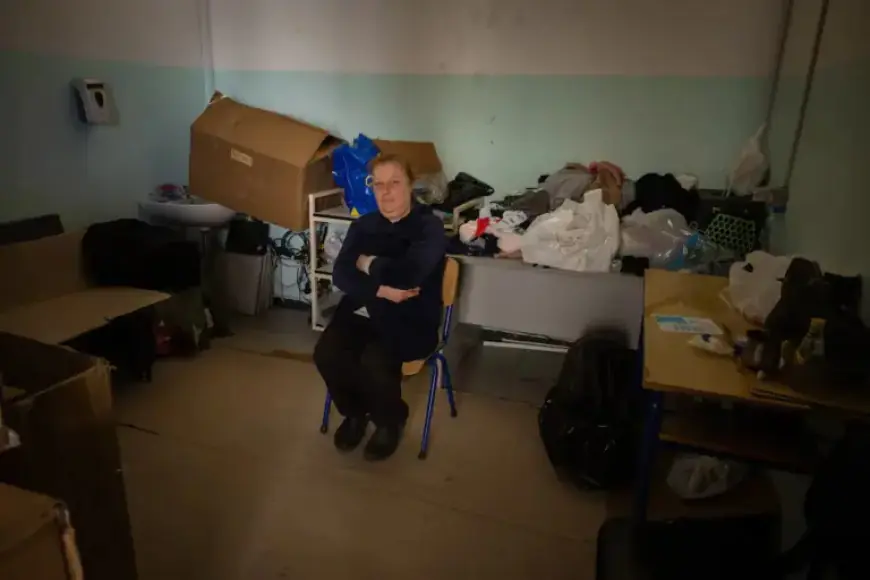
The ramifications of this war have been severe for many, including families like that of Fatima Daoud. Forced to flee their home in southern Lebanon, the Daoud family has moved seven times in search of safety. Now, they reside in a high school in Beirut, transformed into a shelter for displaced persons. This is a stark reminder of the human toll of ongoing conflict.
Many citizens, including Shia supporters of Hezbollah, expressed confusion and anger over the decision to engage in yet another war. Fatima Daoud questioned the purpose of her family’s displacement, “We got displaced for what reason? Is this life, what we’re living now?”
Public Sentiment Shifts
Historically, Hezbollah has enjoyed considerable support within the Shia community. However, that support has waned following the recent conflicts, culminating in public outcry. Critics, including Prime Minister Nawaf Salam, labeled Hezbollah’s military actions as illegal, urging for the disarmament of the militia.
- Estimated casualties: at least 123 Lebanese and four Israeli soldiers reported affected.
- Ongoing military operations have forced hundreds of families from their homes.
- Public opinion is increasingly questioning the motivations of Hezbollah.
The Broader Implications
Political analysts acknowledge a growing division within Lebanon regarding Hezbollah’s involvement in the conflict. Qassem Qasir, a political analyst, indicated that frustrations over the militia’s decisions could lead to calls for its disbandment. Nonetheless, Hezbollah claims to be acting in self-defense against perceived Israeli aggression, emphasizing a long-term perspective on the ongoing conflict.
The situation remains precarious. With Israeli warnings of further military actions and a deepening humanitarian crisis, families like the Daouds are left grappling with uncertainty. Their plight is emblematic of the broader struggles faced by civilians in a country caught in cycles of violence.
The current conflict showcases the intricate and often tragic dynamics at play. As the war progresses, the people of Lebanon hope for a resolution that allows them to return to their homes and live in peace once again.