
























Clasico Mundial De Beisbol: Why Mexico’s draw hands it the clearest path toward Olympic qualification and puts pressure on fan support

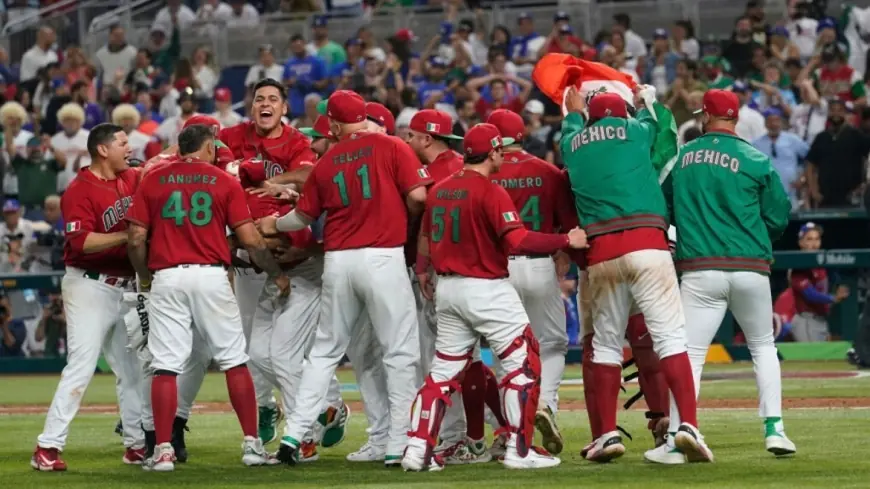
The immediate impact is on Mexico’s roster and its supporters: the clasico mundial de beisbol now doubles as the Americas’ main road to Los Ángeles 2028, and the way groups were assembled leaves Mexico with a comparatively lighter continental route. That advantage affects selection, strategy and the political urgency around crowd support — especially after the team’s manager publicly asked fans for more backing.
Clasico Mundial De Beisbol implications for Mexico and the region
Here’s the part that matters: the World Baseball Softball Confederation designated the tournament as an Olympic qualifier only for teams from the Americas, with the United States exempted because it will host the Games. There are only two Olympic berths available to American teams, and no subsequent continental qualifier will be held; the two American teams that finish highest in the final Clasico Mundial standings will earn the spots. That concentrated pathway gives Mexico an outsized incentive to convert its favorable draw into results, and it also explains why the manager’s call for increased fan support carries practical weight beyond morale.
- Groups A and D together contain eight of the ten eligible American teams, concentrating continental competition in those pools.
- Mexico sits in Group B and shares the group with only one other American team, Brazil, which reduces the number of immediate continental matchups in pool play.
- Because the tournament advances to single-game quarterfinals, the bracket can quickly eliminate rival American contenders — and Mexico’s projected path means it could face and eliminate continental rivals en route to the semifinals.
- Advancing to the semifinals would likely secure an Olympic berth for Mexico unless both Venezuela and the Dominican Republic also reach the same stage.
How the tournament setup and early matches shape those odds
The event opened with a match in Japan between China Taipei and Australia; early scorelines elsewhere included Australia defeating Taiwan 3–0 and Korea defeating Czechia 11–4. The competition begins with round-robin group play, then moves to single-elimination quarterfinals between the top two teams from each group. The semifinals and final are scheduled to be played at loanDepot Park in Miami, with the tournament concluding on March 17.
Because groups A and D concentrate most American teams — Puerto Rico, Canada, Panama, Cuba and Colombia in one group; Venezuela, the Dominican Republic, Nicaragua, Israel and the Netherlands in the other — those pools present a tougher intra-continental gauntlet. By contrast, Mexico’s placement in Group B, alongside only Brazil from the continent, reduces immediate American competition in pool play and can translate into more favorable bracket matchups in the quarters.
It’s easy to overlook, but the decision to make this event the only qualifying opportunity for American teams (besides the U. S. host exemption) compresses months of qualification drama into a single tournament window. That raises the stakes for fan turnout and immediate performance.
Practical takeaway points and immediate signals to monitor:
- Mexico’s progression to the quarterfinals will be the first tangible confirmation that the draw advantage matters.
- A Mexico semifinal appearance would, under current rules, likely clinch an Olympic berth for the country unless both Venezuela and the Dominican Republic also reach the semis.
- Results from Groups A and D will determine which other American teams remain in contention for the two berths.
- Early single-elimination quarterfinal matchups can abruptly remove American contenders, shifting qualification dynamics overnight.
The real question now is how Mexico translates bracket geometry into on-field outcomes, and whether increased spectator support — the manager’s recent plea — will make a measurable difference in tightly contested knockout games.
Micro timeline: the event opened in Japan, group play leads into single-game quarterfinals, and the tournament culminates with semis and the final in Miami on March 17. These stages will determine the two American qualifiers for Los Ángeles 2028.
What’s easy to miss is that the tournament’s structural quirks — concentrated American teams in specific groups and only two available slots — mean a single upset in the quarters could reshuffle Olympic hopes across the continent.