























Hangzhou signs US$3.7b AI GPU deal as city pushes multi-vendor chip strategy

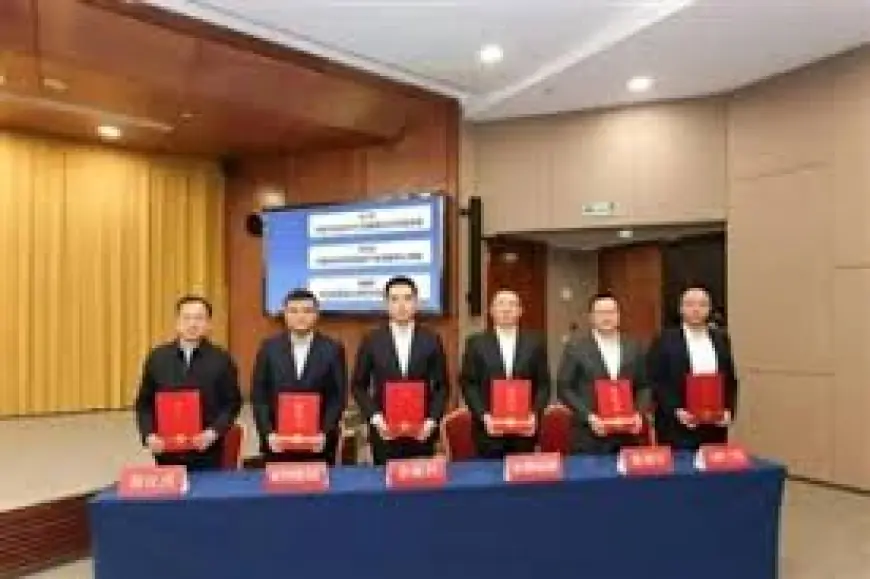
On February 28, hangzhou convened an AI development summit at the Hangzhou Civic Center that produced 12 signed projects worth CNY25. 5 billion (US$3. 71 billion), a step city officials and companies framed as a push to build local AI computing infrastructure.
Hangzhou signs US$3. 7b AI GPU deal
The summit yielded a portfolio of investments anchored by Sunrise’s "High-Performance GPU and Inference Chip R& D Project, " the lone project explicitly dedicated to AI inference GPUs in the package of 12 deals signed at the Civic Center on February 28; the total investment across those projects is CNY25. 5 billion (US$3. 71 billion). Sunrise said the agreement marks a new stage of its Hangzhou expansion and will support the city's AI computing infrastructure and broader innovation framework, and Sunrise Co-CEO Wang Zhan said computing power, not model capability alone, will determine future industrial development.
Sunrise, spun off from SenseTime at the end of 2024, develops high-performance GPUs and multimodal inference chips for commercial deployment and cited multiple generations of validated products; corporate and local disclosures also include claims such as "ten-thousand-card-scale delivery, " a detail the company has presented alongside the project announcement.
China’s multi-vendor chip deployment expands
The Hangzhou deals come amid a broader multi-player push for domestic AI computing hardware. Huawei’s Ascend series, including the 910C, has been cited as a primary domestic platform for training and inference and the company is preparing for large-scale shipments to meet demand, even as US officials have indicated domestic production may remain limited with one estimate suggesting 2025 shipments could be capped at about 200, 000 units.
Other domestic suppliers are also active: Cambricon’s MLU series has appeared on government and enterprise procurement lists, and a China Unicom data center in Xining, Qinghai, has deployed multiple domestic AI chips including products from Alibaba’s T-Head, MetaX, and Biren. Moore Threads and Enflame Technology are expected to supply chips for later phases of that data center and related cloud projects, and Enflame is advancing a STAR Market IPO as it grows alongside product development.
What the Sunrise project means for local infrastructure
City leaders framed the package of deals as a push to beef up on-premises computing capacity, and Sunrise’s GPU R& D project is positioned as a direct contribution to that goal: the company says the work will support AI computing infrastructure in Hangzhou and feed into broader innovation efforts tied to municipal strategy. The Sunrise agreement was presented at the Hangzhou Civic Center during the February 28 summit and is one of 12 projects that together total CNY25. 5 billion.
Industry movements cited alongside the Hangzhou announcements point to immediate next steps: Huawei is preparing for large-scale shipments of Ascend-series hardware, Moore Threads and Enflame are slated to supply later phases of a China Unicom data center in Xining, and Enflame is advancing a STAR Market IPO—concrete milestones companies and local disclosures have identified as the next phases of deployment and capital activity.