
























Nicola Coughlan Pushes Back: How Persistent Body Commentary Is Shifting Attention Away From Her Work

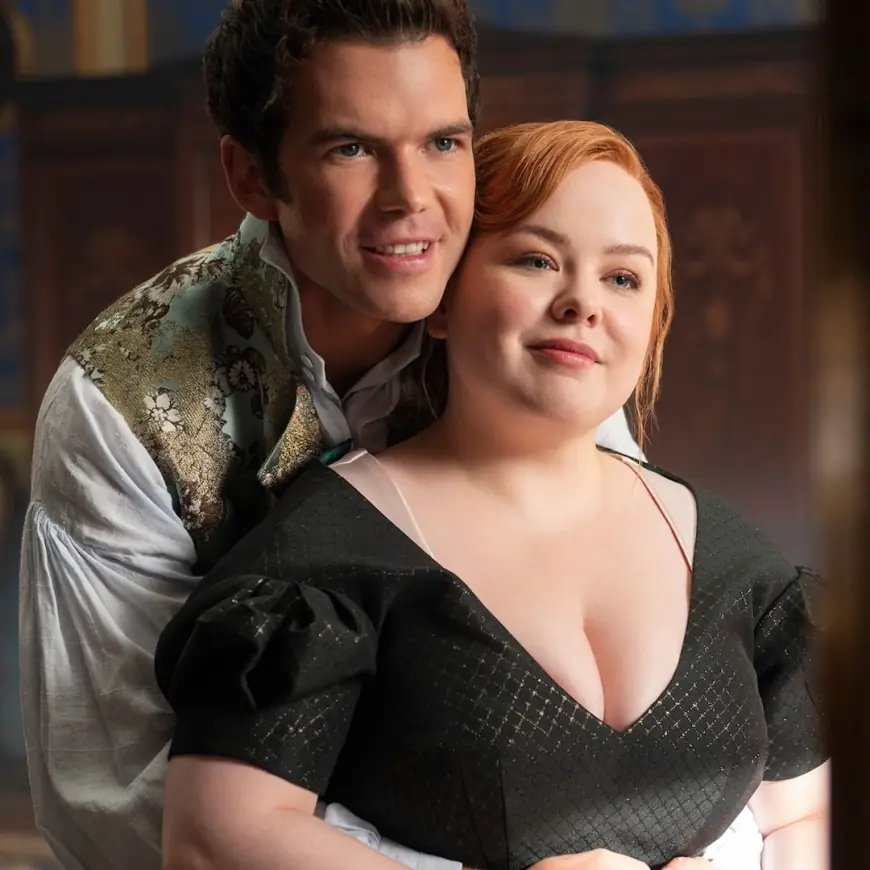
Nicola Coughlan is framing a clear boundary: the conversation around her should be about acting, not appearance. That stance matters because persistent chatter about size and weight shapes how fans interact with performers, how scenes are read, and what actors must manage off set. For viewers and industry peers alike, her refusal to be made a visual shorthand changes the terms of engagement.
Nicola Coughlan’s stance and who feels the impact first
Her position — that she has no interest in engaging with body positivity debates — redirects the debate from individual bodies to how audiences prioritize appearance over craft. The immediate effect lands on three groups: performers who face unsolicited commentary, creative teams whose work is reframed by appearance-focused talk, and fans who may be unaware their compliments cross a line.
Here’s the part that matters: Coughlan says being reduced to body talk is exhausting after long periods of work. That shift in focus can blunt recognition for months of effort and reshape public reactions to intimate scenes or significant plot moments.
- Actors: must navigate unwanted attention that can eclipse professional achievement.
- On-set collaborators: risk having carefully staged scenes interpreted through an appearance-first lens.
- Fans: are reminded that public praise can become invasive or harmful.
What’s easy to miss is how these interactions ripple: a single public exchange can reinforce a pattern that alters how future roles and scenes are discussed.
Event details embedded: how those pressures showed up for Coughlan
While working on the period drama, she said she was exercising to prepare for scenes and that she lost weight to fit costume needs — noting she was around a size 10 and in at least one corset a size 8. Even then, commentary labeled her as plus-size, which she found baffling and frustrating. She described being surprised that she could be presented as the largest woman that some viewers wanted to see on screen.
On separate occasions she recounted an uncomfortable fan encounter in a bathroom where a drunk person focused on Coughlan’s body, leaving the actor mortified. She also described deliberate choices around intimate scenes as a response to public conversation about her weight, working closely with an intimacy coordinator to shape how those scenes played out.
Personal life pressures are part of the picture: a busy schedule and long-distance relationship obligations were cited as added strains, with gestures like sending videos and relying on FaceTime used to maintain connection.
- Timeline: 2020 — first season brought increased public attention; 2022 — she asked fans to stop commenting on her body in a social post; March 4 — she discussed her disinterest in body-positivity debates during a magazine interview.
If you’re wondering why this keeps coming up, the answer is simple: recurring public focus on bodies forces actors to respond, whether they want to or not. The real question now is how audiences will adjust their behavior when performers push back.
- Fans changing how they compliment or discuss actors would confirm a cultural shift.
- More performers publicly setting boundaries would signal wider industry momentum.
- Conversely, continued obsession with appearance would show the pattern is entrenched.
Small editorial aside: the bigger signal here is that when a performer repeatedly rejects a narrative about appearance, it strains the default assumptions audiences bring to fandom and criticism.
Overall, Coughlan’s response reframes the conversation. Rather than accepting a role as a de facto body representative, she is asking that work be judged on craft and choice — and that personal boundaries be respected. That request is straightforward, but whether it changes fan behavior and public commentary remains to be seen.