Stock futures slide ahead of Tuesday open as tariff threats rattle risk appetite and lift safe havens

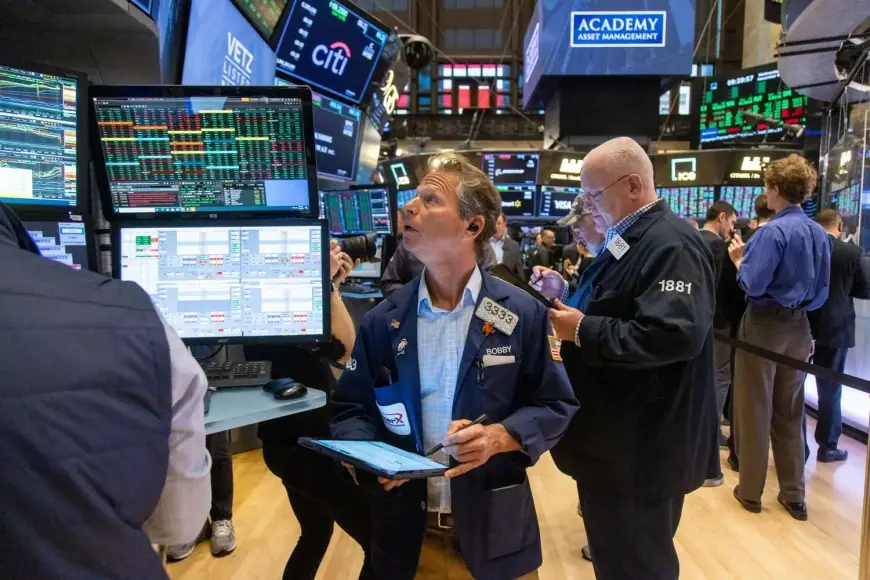
Stock futures turned sharply lower late Monday into early Tuesday (U.S. time), setting up a nervous return to regular trading after the Martin Luther King Jr. Day holiday closure. The drop was led by S&P 500 and Nasdaq 100 futures, as renewed tariff threats against Europe and fresh geopolitical friction pushed traders toward a more defensive stance. With cash markets reopening Tuesday, futures are doing what they often do best: translating headline risk into an immediate price signal.
The move matters because it arrives at a moment when positioning is already sensitive: investors are watching for earnings guidance, inflation signals, and any policy shift that could change the growth outlook. In that environment, tariff headlines can quickly reprice both equities and rates expectations.
Stock futures: what’s driving the premarket drop
The main catalyst is an escalation in U.S.–Europe trade tension, tied to talk of additional tariffs on European imports. Markets typically respond fast to tariff risk because it can hit corporate margins, disrupt supply chains, and complicate inflation trends all at once.
At the same time, the usual “risk-off” checklist showed up across markets: the dollar softened against traditional safe-haven currencies in parts of the session, gold attracted defensive interest, and European equities also leaned lower. That combination is consistent with traders reducing exposure to growth-sensitive assets and trimming high-beta tech into uncertainty.
-
Stock futures pointed lower into Tuesday’s reopen after the U.S. holiday, with losses led by Nasdaq-linked contracts.
-
Tariff threats toward Europe were the central headline risk, reviving concerns about trade friction and inflation stickiness.
-
Defensive flows showed up in traditional havens, signaling reduced risk appetite rather than a single-sector issue.
-
The market focus is now on whether Tuesday’s cash session confirms the futures move or fades it quickly.
-
Earnings guidance in the days ahead could either stabilize sentiment or amplify volatility if companies flag cost pressure.
Where stock futures are trading and what it implies for the open
Into the latest stretch of trading, major U.S. index futures were broadly down close to about 1% on the session, with the Nasdaq 100 typically showing the largest percentage drop. Moves of this size don’t guarantee a matching cash-market close, but they do suggest the open could feel heavy, especially if headlines continue during U.S. hours.
What traders will watch at the bell:
-
Whether selling pressure is concentrated in mega-cap tech and other rate-sensitive names (a classic pattern when uncertainty spikes).
-
Whether financials, energy, and defensives hold up better than the broader tape.
-
Whether volatility pricing climbs further, which can reinforce systematic selling and widen intraday swings.
If futures stabilize before the open, it often signals the market is trying to “price in the news” quickly and move on. If futures keep leaking lower into the bell, that’s when the session can become trend-like rather than choppy.
Dinged by policy risk: why tariffs hit equities fast
Tariff talk moves markets quickly because it creates a three-way uncertainty problem:
-
Earnings risk: Higher input costs and potential retaliation can squeeze margins.
-
Demand risk: Trade friction can slow cross-border activity and business investment.
-
Inflation risk: Tariffs can keep prices elevated, affecting the rate outlook.
That third point is especially important for tech-heavy indexes. When investors worry inflation could stay sticky, the market tends to re-evaluate how long rates might remain higher, and that often pressures long-duration growth stocks first.
Markets have seen this movie before: in prior tariff-driven periods, stock futures often reacted sharply to headline shifts, only to reverse when negotiation signals appeared or when the economic data failed to deteriorate. The lesson is not that “tariffs don’t matter,” but that the path of policy is what determines whether an initial futures shock turns into a lasting trend or a tradable wobble.
What to watch next: key signals for stock futures and Tuesday trading
The next 24–48 hours are about confirmation. Three practical signals can help cut through noise:
-
Follow-through in Europe and U.S. premarket: If global equities remain under pressure, U.S. dips tend to attract fewer buyers early.
-
Rates and the dollar: If yields jump while equities fall, that usually indicates the market is re-pricing policy risk, not just rotating sectors.
-
Company commentary: Any earnings guidance referencing costs, pricing power, or demand softness can turn a headline dip into a broader reassessment.
If headlines cool and macro data stays steady, stock futures can recover quickly. If policy rhetoric escalates or prompts concrete action, traders will likely keep a higher volatility premium in place.
FAQ: stock futures
What are stock futures telling us right now?
They’re signaling a risk-off open for U.S. stocks, with investors reacting to trade-policy uncertainty and positioning defensively.
Do stock futures predict the market close?
Not reliably. Futures are best viewed as an early read on sentiment; the cash session can reverse them if new information arrives or dip-buying appears.
Why do Nasdaq futures often move more?
Tech-heavy indexes are more sensitive to rate expectations and risk appetite, so they can amplify moves during policy or macro shocks.
For now, the near-term story is straightforward: stock futures are pricing a more fragile mood into Tuesday’s reopen, and the market’s next direction will hinge on whether trade tensions intensify or ease, and whether upcoming corporate guidance validates fears about costs and demand.