Noem Backtracks After Denying Chemical Agents Used in Minnesota Protests

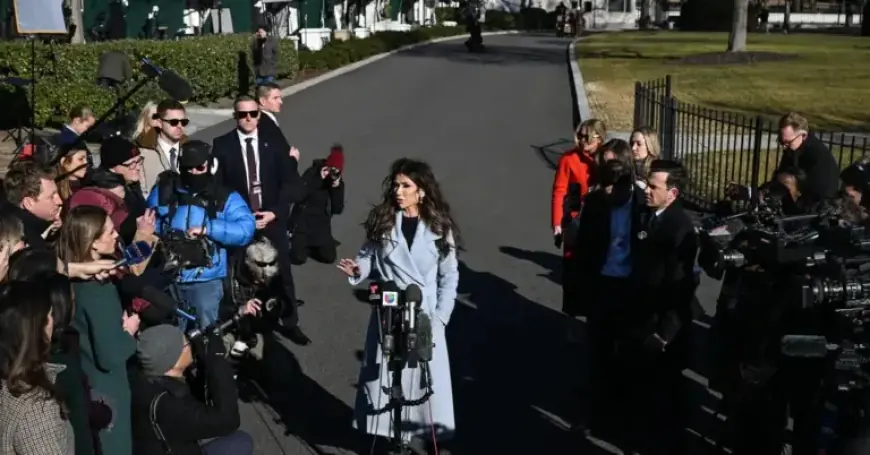
Recent events surrounding the use of chemical agents during protests in Minnesota have sparked significant attention. Kristi Noem, the Homeland Security Secretary, initially denied allegations that federal agents deployed pepper spray and other chemical irritants against protesters. However, her stance shifted dramatically after being confronted with video evidence of such tactics being employed.
Noem’s Denial and Subsequent Backtrack
During an interview on CBS’s “Face the Nation,” Noem labeled the federal judge’s ruling restricting chemical agents as “ridiculous.” Yet, when faced with footage corroborating protesters’ claims, she asserted that federal agents only resort to chemical measures when there is an escalation of violence from the demonstrators.
Judicial Findings
The ruling issued by Judge Kate M. Menendez highlighted the unlawful use of chemical agents against protesters on at least four occasions. The judge described the evidence as “uncontroverted,” indicating a clear misuse of force by law enforcement against individuals exercising their First Amendment rights. She noted that federal agents employed these chemical irritants to retaliate against peaceful activities such as observing and protesting against Immigration and Customs Enforcement (ICE) operations.
- The injunction was a response to a lawsuit instigated by activists monitoring the government’s operations.
- The lawsuit was filed in December 2020, following a tragic incident where officer-involved shooting resulted in the death of Renee Good.
Response from Homeland Security
Tricia McLaughlin, a spokesperson for the department, refrained from addressing Noem’s initial statements. Instead, she focused on allegations that protesters had assaulted law enforcement and caused damage to federal vehicles. Despite Noem’s assertions, Judge Menendez dismissed claims that agents used chemical agents solely in response to violent provocations.
Investigation into Fatal Shooting
In related news, Todd Blanche, Deputy Attorney General, affirmed that the Justice Department would not be investigating the agent responsible for the fatal shooting of Renee Good. He argued that not every use of deadly force warranted an investigation, asserting the department’s autonomy from media and political pressures.
- Blanche stated, “We investigate when it’s appropriate to investigate.”
- A scrutiny of Good’s case has led to resignations among federal prosecutors in Minnesota.
Broader Implications of Immigration Crackdowns
The ongoing crackdown on immigration, particularly in Minnesota, has faced accusations of racial profiling. The Department of Homeland Security insists that approximately 70% of those arrested have been charged or convicted of crimes. This statistic is aligned with previous analysis, reinforcing the administration’s narrative of targeting violent criminals.
However, Noem claimed that every individual apprehended by immigration agents had violated the law, implicitly stating that 70% of those apprehended were involved in severe criminal activities. This assertion, while vague, aligns with the department’s previously established figures.
The fallout from these actions raises questions about law enforcement practices and their alignment with constitutional rights, especially during protests where citizens exercise free speech. The implications of the judicial ruling are significant, as they aim to protect the rights of individuals in the face of government actions.