






















Andrew Nembhard's return reshapes Pacers' immediate rotation and scoring balance vs. Clippers

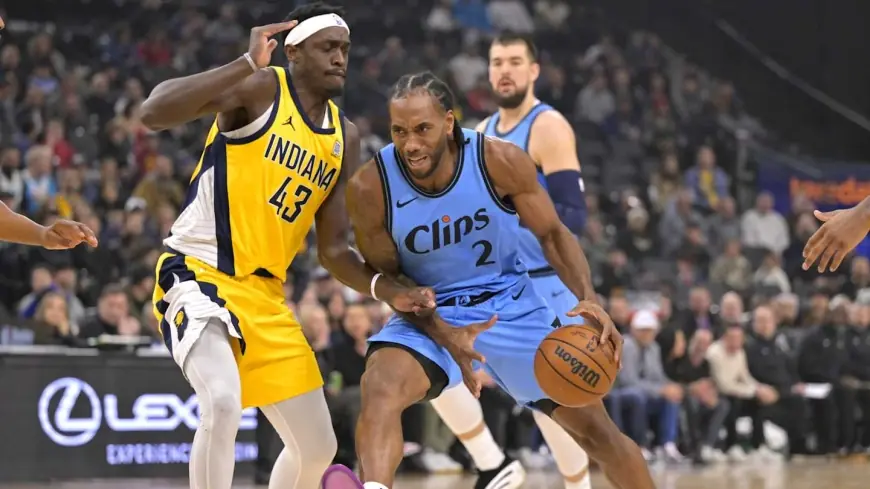
Availability for andrew nembhard alongside Pascal Siakam and Aaron Nesmith matters now because it restores the Pacers' top three scorers into one lineup for the first time since the Feb. 10 overtime win in New York. That reunion changes short-term game plans, the bench's role, and how the team will approach matchups against the Clippers' revamped frontcourt.
Andrew Nembhard and the immediate effects on playing time, matchups and scoring
Here's the part that matters: with andrew nembhard returning, the Pacers push a more familiar offensive mix back onto the floor. Siakam (team-leading 23. 9 points per game), Nembhard (17. 4) and Nesmith (13. 2) are the club's three leading scorers, and their presence forces the coaching staff to re-balance minutes between starters and reserves. That has knock-on consequences for rotation consistency, late-game lineups, and who carries offensive load when shot opportunities tighten.
What changes immediately for players on the margin is predictable — starters reclaim usage and the bench will need to find minutes elsewhere — but the larger effect is on matchups: the Clippers received a scoring boost from Bennedict Mathurin after his trade, and adding back these three Pacers restores the team's primary scoring answers.
It's easy to overlook, but the return of these starters also affects how newly acquired pieces slot in. The trade that brought Ivica Zubac and Kobe Brown to the Pacers changes the frontcourt landscape, even as Zubac has not yet played for the team due to a left ankle sprain suffered in late December. Coaching decisions will need to juggle short-term competitiveness with longer-term integration.
Game-status snapshot and injury context
All three starters were listed as questionable on the injury report before being cleared: Siakam had been out since suffering a left thumb sprain against the Mavericks; Nesmith had missed time with a right ankle sprain sustained against the Wizards; and Nembhard missed the most recent game with low back and neck soreness. This is the first time all three have been available since the Feb. 10 overtime win in New York.
Additional roster context: Obi Toppin is also available for the matchup, and the Pacers acquired Ivica Zubac and Kobe Brown in a trade that sent Bennedict Mathurin, Isaiah Jackson and draft picks the other way. Zubac averaged 14. 4 points and 11. 0 rebounds before the trade but has yet to appear for the Pacers because of the lingering ankle issue; the coaching staff has indicated he will play at some point this season when fully ready.
- Player scoring snapshot (current team leaders): Siakam — 23. 9 PPG; andrew nembhard — 17. 4 PPG; Nesmith — 13. 2 PPG.
- Availability note: All three starters cleared to play the Wednesday game after being listed questionable.
- Trade context: Mathurin has averaged higher scoring since joining the Clippers; the Pacers added Zubac and Kobe Brown in exchange.
If you're wondering why this keeps coming up, the answer is simple: availability drives short-term strategy. Restoring familiar primary scorers reduces the need for emergency adjustments and gives the coaching staff more conventional lineup options for both offense and defense.
Key forward signals to watch during and after the game include who starts and how minutes are distributed among the returning starters and bench rotation. Early allocation of possessions and late-game matchups will signal whether the team treats this as a full reinsertion of the previous pecking order or a transitional blending of new arrivals and established starters.
Micro timeline: Feb. 10 — last time the three were all available; Feb. 20–22 — injuries sidelined Nesmith and Siakam; most recent game — Nembhard missed with back/neck soreness. Recent updates indicate availability has changed for Wednesday's matchup, but details may evolve with new reports after the game.
What the coaching staff now needs to decide will show quickly in rotation minutes and play-calling. The real question now is how coaching balances making the most of restored scoring while continuing to integrate roster changes from the midseason trade.
The bigger signal here is roster health: when the team's leading scorers are on the floor together, the Pacers' immediate competitive profile and matchup answers shift more than any single statistical adjustment would reveal.