Cyprus: Divided Yet Ambitious with EU Aspirations

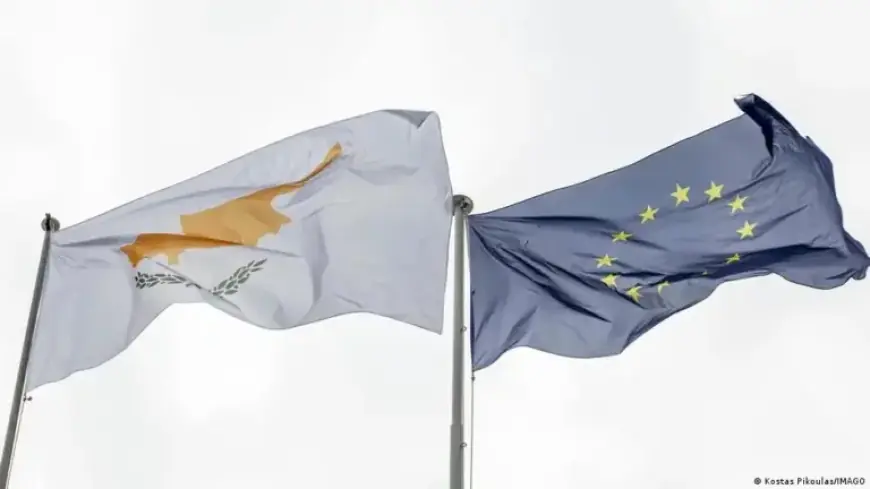
Cyprus operates at a critical juncture between Europe, the Middle East, and North Africa. The island’s geographical position fuels its ambitions as a prospective international aid hub and an active participant within the European Union.
Cyprus: A Strategic Maritime Aid Hub
Located in Larnaca, the Cyprus Joint Rescue Coordination Center plays a vital role in managing search and rescue operations across the eastern Mediterranean. This facility coordinates humanitarian aid efforts, particularly towards Gaza, facilitating the inspection and shipment of essential supplies.
- Approximately 32,000 tons of humanitarian aid from the EU have passed through Cypriot ports.
EU Presidency and Regional Diplomacy
This year, Cyprus took on the presidency of the Council of the EU, starting January 1. As a small EU member, Cyprus is tasked with overseeing council activities, chairing meetings, and ensuring legislative processes proceed without issues.
President Nikos Christodoulides emphasized Cyprus’s advantageous geographical position, highlighting the short travel times to neighboring countries:
- Lebanon: 18 minutes
- Tel Aviv: 30 minutes
- Jordan: 75 minutes
- Damascus: 20 minutes
- Egypt: 50 minutes
Addressing Security and Migration Challenges
The Cypriot government aims to play a more significant role on the international stage, especially in Mediterranean diplomacy. Ian Lesser from the German Marshall Fund noted that Cyprus is positioned to engage in critical matters such as energy security, migration issues, and counterterrorism.
During its EU presidency, Cyprus also plans to enhance military capabilities, with a proposed investment of €200 million (approximately $232 million) in the Mari naval base. Cypriot Defense Minister Vasilis Palmas stated that this investment will improve maritime safety and foster cooperation with EU partners.
The Ongoing Division of Cyprus
Despite its diplomatic efforts, the division of Cyprus since 1974 remains an unresolved issue. The island is split between the internationally recognized Republic of Cyprus in the south and the Turkish Republic of Northern Cyprus in the north, a self-declared entity recognized only by Turkey.
The buffer zone, known as the Green Line, spans 180 kilometers (112 miles) and is monitored by the United Nations. The EU continues to prioritize finding a comprehensive and lasting solution for the reunification of Cyprus.
Prospects for Reunification
Recent political developments have sparked hope for progress in reunification talks, despite tensions. Turkish President Recep Tayyip Erdogan advocates for a two-state solution, which many view as a means to maintain the status quo.
Locals express a desire for peace and reunification. Berna from the north says, “I want peace,” while Christodulos from the south expresses optimism for a solution benefiting both Cyprus and the EU. The stance of the EU Envoy for Cyprus, appointed last year, remains focused on fostering dialogue between the conflicting parties.
As Cyprus navigates its presidency, the island remains determined to leverage its unique position, continue assisting humanitarian efforts, and seek resolution to its internal division.