Russia Iran intelligence sharing could help Tehran target U.S. military assets

Two officials familiar with U. S. intelligence say russia iran information has been provided that could help Tehran strike American warships, aircraft and other assets in the region, a development officials describe as operationally significant as the war broadens.
Russia Iran intelligence sharing claim
Russia has provided Iran with information that could help Tehran strike American warships, aircraft and other assets in the region, two officials familiar with U. S. intelligence said. The officials cautioned that U. S. intelligence has not uncovered that Russia is directing Iran on how to use the information.
Immediate battlefield implications
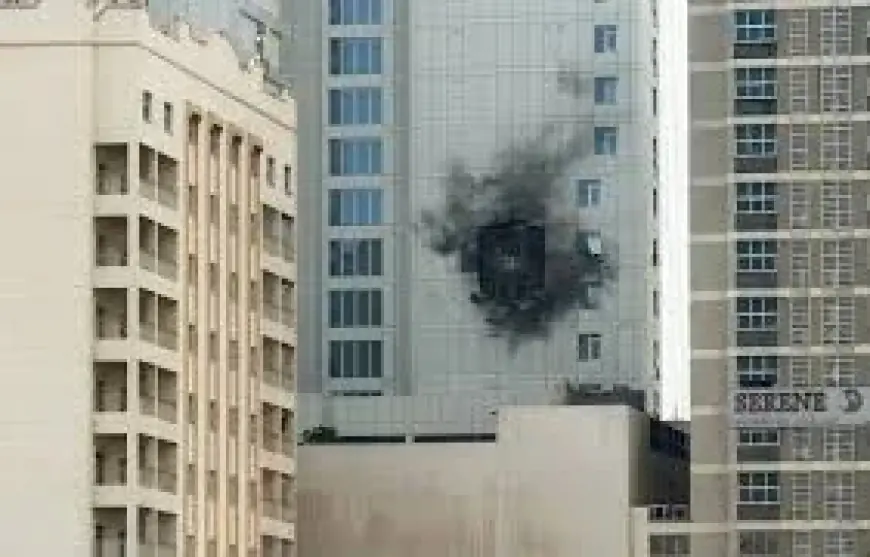
The disclosure comes amid intensified cross-border attacks and strikes. An explosion was heard and large plumes of smoke were seen in Beirut’s southern suburbs after Israeli airstrikes targeted capitals in the region while the U. S. apparently struck an Iranian drone carrier at sea, actions that intensified a campaign targeting the Islamic Republic’s fleet of warships.
Wider escalation and regional impact
The fighting has broadened beyond initial exchanges. Satellite imagery, expert analysis and information released by U. S. and Israeli militaries suggest a Feb. 28 explosion that killed scores of Iranian students at a school was likely caused by U. S. airstrikes. On the seventh day of war, Israeli warplanes struck Beirut and Tehran as Iran launched another wave of retaliatory strikes against Israel and Gulf countries.
Uncertainty about direction of data
Officials emphasized limits to available intelligence: russia iran information sharing has not been shown to include Russian direction on what Iran should do with the data. Those caveats leave open key operational and legal questions even as planners on all sides reassess vulnerabilities.
Regional disruptions and humanitarian toll
The widening fighting has ricocheted across the Middle East, with nearly every country in the region sustaining damage from missile hits, drone strikes or shrapnel and many reporting casualties. Nations scrambled to organize repatriation flights and urged citizens to leave by any available commercial route. Airspaces closed, cruise ships and tankers have been unable to pass through the Strait of Hormuz, and major airlines canceled flights.
What to watch next
Key observable indicators will shape the near-term picture: movements and readiness of naval and air assets in the region, announcements by militaries about further strikes, and any public intelligence releases that clarify whether the shared information included targeting guidance. If the flow of actionable data continues and is paired with additional strikes, the operational risk to American forces and partners would rise; if further review finds only limited or non-actionable exchanges, planners may face fewer immediate shifts in posture.
- Russia provided information that could enable strikes on U. S. assets.
- U. S. intelligence has not found evidence Russia directed Iran on use of the information.
- The war’s expansion has caused widespread regional disruptions and civilian harm.