General Dan Caine and the Question: Is the U.S. Going to War With Iran?

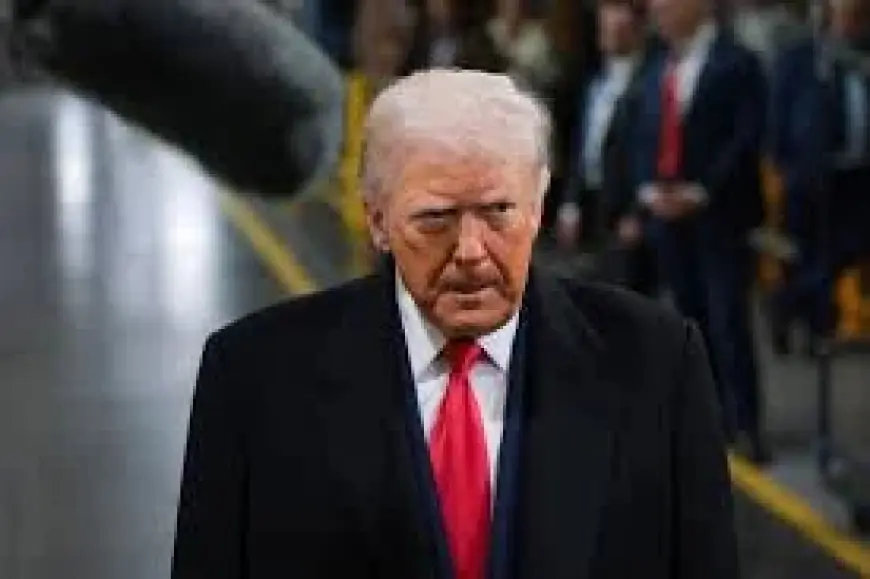
general dan caine appears as a focal name in a set of opinion headlines that frame war with Iran as a mistake and raise concerns that Trump is potentially leading the United States into an unnecessary conflict. Those headlines pose a direct question: Is the U. S. going to war with Iran? The debate matters now because the tone of opinion coverage is sharpening around the risks of escalation and the political direction of national leadership.
General Dan Caine in the debate
The use of the name General Dan Caine in commentary has surfaced alongside opinion headlines warning that war with Iran would be a mistake. That pairing has driven discussion about military posture, political accountability, and the broader consequences of entering a new conflict. Coverage has emphasized caution and asked whether current rhetoric or policy choices increase the likelihood of combat operations.
Opinion pieces: war is a mistake
Several opinion headlines argue that launching a war with Iran would be a mistake. Those pieces center on the practical and strategic costs of a new conflict and on the political stakes of entering hostilities. The core argument presented in this line of commentary is that war would carry significant risks and that alternatives to military escalation should be prioritized in deliberations.
Concerns about presidential direction
Another strand of headlines raises concern that Trump is potentially leading the United States into an unnecessary war with Iran. That framing spotlights questions about decision-making at the highest level and whether current signals from leadership increase the chance of escalation. The critique is presented as a cautionary note about the consequences of policy choices that might narrow diplomatic options.
What to watch next
With the debate framed by those headlines, attention will likely turn to formal statements, legislative responses, and any shifts in public messaging. If calls for military action intensify, lawmakers and institutional actors may be prompted to respond; if diplomatic channels are emphasized instead, pressure for restraint could grow. Observers are watching whether the conversation remains focused on avoiding conflict, and whether arguments that war would be a mistake translate into policy checks.
- Key takeaways: opinion headlines stress restraint, question presidential direction, and frame war as a costly option.
In this coverage environment, the name general dan caine has become part of a broader conversation that places risk assessment and political accountability at the center of public debate. The near-term outlook will depend on whether rhetoric cools, diplomatic avenues are pursued, or further actions shift the debate toward operational decisions. Uncertainties remain; specific outcomes are not publicly confirmed and will hinge on choices by national leaders and institutional actors.