Christopher Reeve and the New Visual Language of War: How a Call‑of‑Duty Montage Changes Public Persuasion

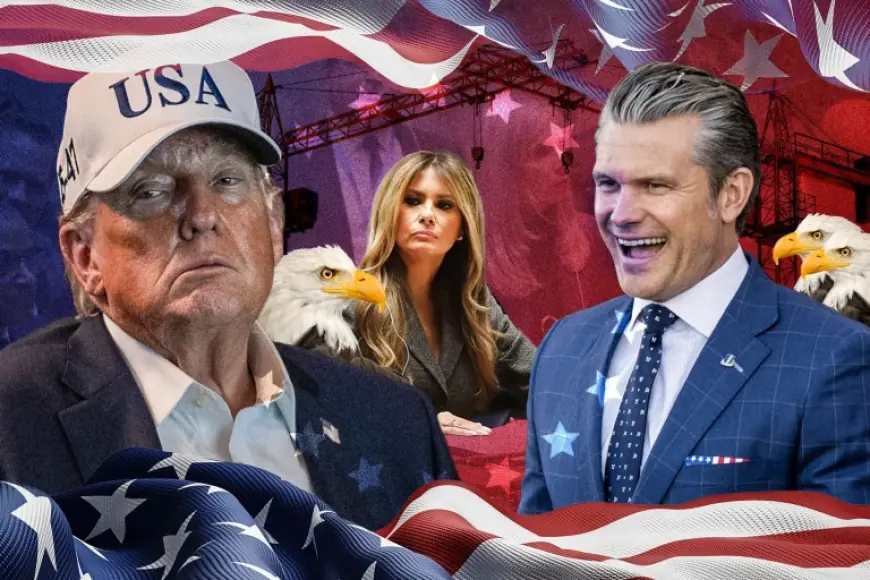
The White House’s decision to post a fast‑cut montage that blends real combat footage with Call of Duty gameplay changes how military action is being sold domestically. christopher reeve appears here only as a cultural counterweight — a reminder that familiar icons can feel out of place in a moment when government messaging borrows the grammar of video games. The immediate consequence: a reframing of battlefield violence into competitive, gamified spectacle that reshapes public appetite and debate.
Christopher Reeve and why the shift in rhetoric matters for public perception
Framing is policy in practice. When official channels stitch together cruise‑missile footage with first‑person‑shooter animations and pop production music, the effect is to recode violent outcomes as point‑scoring events. That moves the conversation away from strategic aims toward consumer‑style engagement metrics and subcultural language. Here’s the part that matters: this is not merely a stylistic choice — it alters how people interpret legitimacy, value, and consequence of military action.
- Gamified aesthetics compress complex military consequences into simple, emotionally charged visuals.
- Audiences familiar with shooter tropes receive a different emotional cue than those expecting sober governmental communication.
- Misinformation dynamics intensify when gameplay clips and real footage circulate together without clear labeling.
- Institutional reuse of game imagery in official material signals a new, riskier template for persuasion.
What’s easy to miss is that these changes aren’t accidental design choices; they have downstream effects on civic understanding and the digital information environment.
What was posted and the immediate factual picture
On Day 5 of the U. S. -led war in Iran, an official X account uploaded a sizzle reel that intercuts real strike footage with gameplay from Call of Duty: Modern Warfare III, including a kill‑streak animation that visually signals the unlocking of a tactical nuclear option. A +100 integer flashes when a mortar connects on screen, and the montage uses the instrumental to the Childish Gambino track “Bonfire. ” Text embedded in the clip reads “Courtesy of the Red, White & Blue. “
The clip was widely seen as an unsettling portrayal of an operation that, in coverage of the conflict, was associated with very high civilian tolls. A separate account of the fighting notes that an elementary school in Minab was hit in an attack that killed dozens of children, with uncertainty about whether the school was an intended target by U. S. or Israeli forces. These traumatic images circulated at the same time as synthetic and decontextualized material: video‑game clips and AI‑manipulated imagery were used in posts about the fighting, and platforms began altering content policies to limit unlabeled AI depictions of armed conflict.
There are also broader precedents mentioned in recent commentary: official agencies have in other instances used recognizable game visuals and taglines in recruitment or promotional posts, signaling that video‑game imagery is not new to civic communications, but its use amid active military operations raises distinct ethical and informational questions.
The real question now is whether this stylistic turn will become a sustained model for how war is packaged for domestic audiences, and how institutions will respond to the confusion and harm that can follow when entertainment aesthetics mingle with real human suffering.
Micro timeline: Day 5 — official montage with Call of Duty elements posted; concurrent coverage highlights civilian casualties including the Minab school strike; platforms move to address AI and decontextualized conflict content.
Writer’s aside: The bigger signal here is how quickly stakes shift when political messaging abandons traditional gravity for subcultural spectacle — the form changes the story people remember and the questions they ask.
Without clear labeling or strategic context, gamified depictions of strikes risk normalizing extreme violence and creating fertile ground for misinformation. christopher reeve’s name sits oddly in this conversation because it evokes a different cultural register — one that underscores how unusual and disorienting it is to see state communication adopt the language of play at the moment of actual loss.
Expect the debate to focus less on the technicalities of the footage and more on whether this is an accidental slip or a deliberate new playbook for mass persuasion; answers will appear in how official channels adjust content strategies and in platform enforcement choices that follow.