Klay Thompson passes Damian Lillard on the all-time 3s list as their 2026 storylines sharply diverge

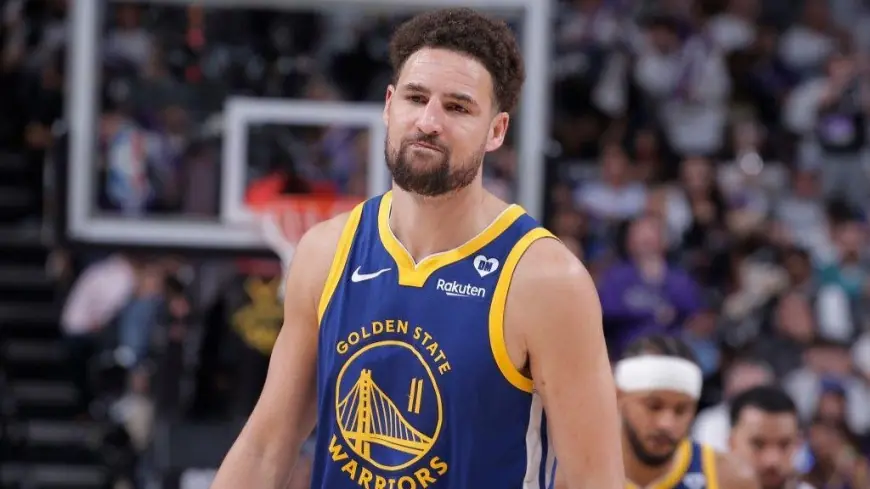
Klay Thompson and Damian Lillard share a decade of moments that shaped the NBA’s 3-point revolution. In recent days, those paths crossed again: Thompson surged past Lillard for fourth place on the all-time 3-pointers made list during a season-best outburst, while Lillard continued a careful ramp-up from a major injury as he settled back into Portland. The juxtaposition is striking—one veteran riding a midseason burst, the other focused on the long game of durability and timing.
Klay Thompson’s statement week with Dallas
Klay Thompson’s milestone came wrapped inside his most complete performance of the year. Coming off the bench, he lit up Utah with six made threes and 26 points in limited minutes, the kind of quick-strike heater that has defined his career. More than the box score, the display showed a refreshed shot diet: early-clock catch-and-shoots from both corners, a steady rhythm off wide pin-downs, and just enough dribble creation to punish top-locks.
Dallas leaned into that rhythm by pairing Thompson with a ball-dominant lead guard and a vertical spacer, forcing help to tag the roller and freeing Klay on the shake cut. The result was textbook Thompson—feet set, quick release, and a defense that never felt comfortable. With that barrage, he moved ahead of Damian Lillard into No. 4 on the all-time list, a testament to both longevity and a shooting form that has aged seamlessly.
The ripple effect for Dallas is tangible. When Thompson’s gravity spikes, the Mavericks don’t need to manufacture difficult shots late in the clock; they can run simple actions early, draw two to the ball, and live in advantages. That lowers turnover risk and nudges the pace to a sustainable gear for a veteran-heavy rotation.
Damian Lillard’s recovery and return to Rip City
Damian Lillard’s 2026 arc centers on patience. After an Achilles tear ended his previous campaign, he rejoined the Trail Blazers on a new deal and has been progressing through the usual milestones: stationary shooting, on-move work, controlled contact, then five-on-five. Recent team updates in Portland have highlighted his presence back around the group and the possibility of a return later this month, but the precise game target remains fluid and could shift based on how he responds to increased load. That’s expected with Achilles rehabs; players often experience good-day/bad-day variance before they find a consistent baseline.
For Portland, the calculus is bigger than one week. A healthy Lillard stabilizes a young backcourt, sets usage hierarchies, and clarifies which pieces fit around his pick-and-roll gravity. The organization’s goal is to bring him back without setbacks, which means minute caps, staggered bursts, and occasional planned rest. Even in a ramp-up, his range and late-game command remain organizing principles for a roster that needs clear roles.
What Klay Thompson passing Damian Lillard means for the all-time 3-point race
Thompson overtaking Lillard is a milestone layered with context. Both are first-ballot shooters who helped normalize deep pull-ups and movement threes as primary offense rather than counters. The separation now reflects availability as much as accuracy: Klay’s recent run gave him the game volume to nudge past Lillard while Dame manages a measured return.
Zooming out, the top tier of the all-time 3s list remains dynamic. Active stars cycle through hot stretches and injuries, so slots four through six can shuffle quickly. Thompson’s case rests on scalability—he doesn’t need high usage to generate high-value attempts—while Lillard’s rests on shot difficulty and late-game volume. Once Lillard is back to full minutes, the race could tighten again, but for now Thompson owns the edge.
On-court impact: how their roles shape winning right now
-
Thompson with Dallas: Expect minutes in lineups that emphasize spacing and quick decisions. His best sequences still come from structured movement—chases, flares, and ghost screens—to spring catch-and-shoot 3s before the defense can load up. The Mavericks’ offense hums when Klay takes 8–10 threes with touch-time under a second.
-
Lillard with Portland: The reintroduction plan likely centers on two-man games with a screening big, surrounded by shooting to keep help off the elbows. Early targets will be getting Dame clean looks from above the break and short-clock isolation reps to rebuild late-game cadence. Expect targeted minutes rather than a full workload out of the gate.
What’s next to watch for Klay Thompson and Damian Lillard
-
Klay Thompson’s sustainability: Does he maintain 3-point volume without sacrificing defensive legs? If Dallas can keep him around 24–28 minutes with second-unit overlap, his efficiency should hold and the team can steal non-star minutes with plus shooting.
-
Damian Lillard’s ramp curve: Look for incremental bumps—first to a mid-teens minute count, then to low-20s, before any back-to-backs are considered. A clean week of practice loads often precedes a formal activation. Any return date floated should be treated as tentative until shootaround clears it.
-
The leaderboard subplot: With Thompson now fourth and Lillard just behind, every made three in the coming weeks doubles as a standings update. If Lillard’s ramp accelerates, the two could trade places again before the All-Star break; if conservatism wins out, Thompson may build a cushion.
Klay Thompson’s latest heater and Damian Lillard’s steady progress capture two sides of veteran stardom: the instant swing of a hot hand and the discipline of a careful return. Both matter in January. One fuels wins today; the other protects the runway for April.