WVU basketball: Colorado vs. West Virginia preview, tip time, and what will decide it in Morgantown

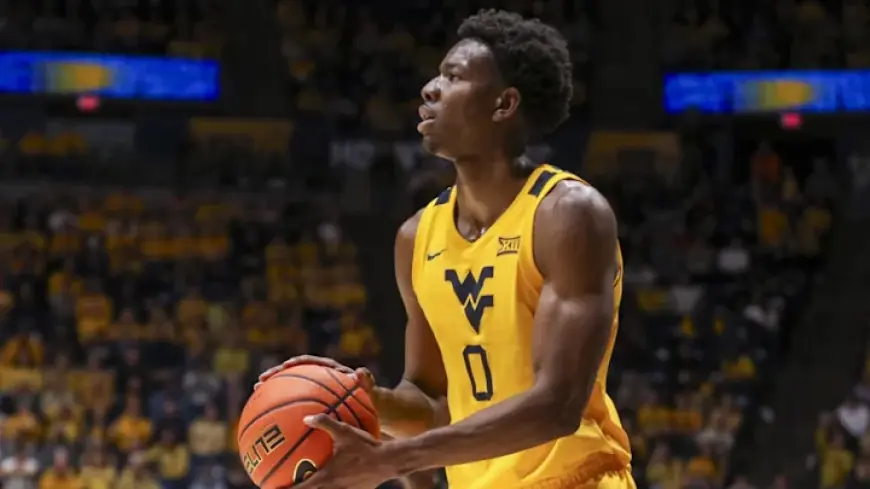
Two programs trying to climb the Big 12 standings meet in Morgantown tonight as WVU basketball hosts Colorado vs. West Virginia in a prime evening window at the newly renamed Hope Coliseum. Both teams enter with winning overall records and a 2–2 mark in league play, raising the stakes for mid-January positioning and NET résumé value.
Colorado vs. West Virginia tip time and how to follow
-
Date: Saturday, January 17
-
Tip: 6:00 p.m. ET (local)
-
Venue: Hope Coliseum, Morgantown, W.Va.
-
Watch/Listen: National cable sports channel with authenticated streaming; team radio network and satellite radio options available. (Check local listings; schedules remain subject to change.)
Form snapshot: strengths on a collision course
-
Colorado’s profile: A top-half Big 12 offense with balanced scoring and the ability to play through both perimeter creation and a physical frontcourt. The Buffs are comfortable pushing pace in spurts and typically land around the 80-points-per-game neighborhood when they control tempo.
-
West Virginia’s profile: A defense-forward group that has been stingy at home, keeping opponents in the low-60s when the game is played on WVU’s terms. The Mountaineers’ best stretches feature disciplined help at the elbows, live-ball turnover creation, and heavy emphasis on the defensive glass.
The contrast is clean: Colorado chases rhythm through early offense and side-to-side ball movement; West Virginia grinds games into the half court, betting on shot diet and one-and-done possessions.
Three tactical levers that will swing Colorado vs. West Virginia
-
Transition throttle
Colorado is far more dangerous when it converts misses into numbers, especially off quick outlets that hit the wings in stride. WVU must load to the ball in the backcourt and take away the “early” from early offense—forcing Colorado to execute against a set shell. If the Mountaineers hold live-ball giveaways under 10 and wall off the middle in semi-transition, they tilt the game toward their preferred cadence. -
Middle-third defense vs. ball screens
Expect the Buffs to hunt middle pick-and-roll, testing WVU’s bigs in drop and the guards’ ability to fight over without fouling. The Mountaineers can survive pulls if the low man is on time and the weak-side tag rotates with high hands to bother lobs and corner skip passes. Colorado’s counters—short rolls and “Spain” actions—arrive if WVU overhelps. -
Free throws and whistle management
In a tight possession game, the charity stripe becomes leverage. West Virginia’s home wins often feature a steady parade to the line stemming from paint touches and rim pressure. Colorado has to defend without reaching, especially on late-clock drives. Flip it the other way: when the Buffs get two feet in the lane, they’re efficient at drawing body contact on reverse pivots and shot fakes.
Personnel themes to watch (no matter the starting fives)
-
Lead-guard stewardship: Colorado’s primary handler sets the temperature; if he lives in two-feet paint touches, kick-out threes follow. WVU counters with physical point-of-attack defense and occasional late switches to keep the ball in front.
-
Frontcourt physicality: West Virginia’s bigs must win the first hit on the glass. Colorado’s size can generate extra shots if box-outs slip even a beat.
-
Wing shot-making: The first team to spring a wing into consecutive clean looks—via flare screens or shallow cuts—often wins these 6–8 minute swings that decide Big 12 games.
Why this one matters for January (and March)
-
Big 12 ladder: A win pushes the victor above .500 in league play and secures a head-to-head marker that could matter in tight seeding tiers.
-
NET and quadrant math: With Colorado tracking as a quality opponent, a WVU home win carries meaningful weight; a Buffs road win grades even better in most team sheets.
-
Confidence runway: Both sides are rebounding from recent stumbles. Control in this matchup can stabilize rotations before a rugged late-January slate.
What WVU needs for a result
-
Take care of the ball: Keep giveaways out of live-ball territory; force Colorado to earn points against a set defense.
-
Paint-touch offense: Post seals and slot drives collapse the Buffs’ help, opening rhythm catch-and-shoot chances.
-
End possessions: Win defensive rebound rate; no second-chance threes.
What Colorado needs for a result
-
Tempo taps: Steal 6–10 points a half in transition and early-clock actions.
-
Screen efficiency: Punish drop coverage with pull-ups until WVU adjusts, then hit short-roll reads.
-
Foul equilibrium: Avoid the whistle parade that tilts road games; keep key bigs on the floor.
Colorado vs. West Virginia is a classic style clash—Buffs pace and balance against WVU basketball defense and late-game execution in a charged home environment. If the Mountaineers strangle transition and own the glass, Morgantown favors the hosts. If the Buffs win the middle thirds with clean pick-and-roll reads and early offense, they have the tools to steal it on the road.